

In this episode of CEOs Unscripted, discover how she became the leader of NEMA, a thriving logistics and transportation company, while navigating a male-dominated industry, overcoming imposter syndrome, and leading through unprecedented challenges like COVID-19 and tariff wars.
What You’ll Learn
- How to climb from entry-level to CEO in any industry
- Overcoming imposter syndrome as a leader
- Strategies for diversifying your business during industry disruption
- Leading authentically in male-dominated spaces
- Building systems and processes that scale
- Communicating vision effectively across your organization
- The difference between being liked and being respected as a leader
- How to navigate change management and bring teams along
- Why patience is the secret weapon young professionals need
- Protecting your health while building a business empire
Key Timestamps
- 0:00 – Introduction: Meet Colleen Japuntich
- 3:15 – From Admin to President: The 19-Year Journey
- 8:42 – Overcoming Resistance & Building Credibility
- 12:30 – Imposter Syndrome: Even Successful CEOs Feel It
- 16:45 – Being a Woman in a Male-Dominated Industry
- 22:10 – What Keeps This CEO Up at Night
- 26:35 – Diversifying in a Shrinking Industry
- 31:20 – The Art of Communicating Vision
- 37:50 – Change Management: Bringing Your Team Along
- 43:15 – Leadership Advice for Young Professionals
- 48:30 – Rapid Fire Questions & Final Wisdom
Top Takeaways
- “I want to compete with myself and be better than I was the previous day” – Colleen’s philosophy on success
- Why showing emotions as a female leader can be perceived as weakness (and how to navigate it)
- The importance of doing the “dirtiest jobs” early in your career
- How to build respect without being the loudest voice in the room
- Why diversification saved NEMA during tariff chaos and supply chain disruptions
- The critical difference between being nice and being kind in leadership
About This Episode
Colleen Japuntich is the President of NEMA, a logistics and transportation company specializing in warehousing, drayage, and supply chain solutions. Starting as an administrative assistant, she worked her way through every department— operations, IT, safety, finance—becoming the company’s go-to problem solver.
In 2019, she was named President, leading the company through COVID-19, industry disruption, and economic uncertainty while maintaining profitability and employee retention.
Resources Mentioned
- Dare to Lead by Brené Brown
- EOS (Entrepreneurial Operating System)
- Adam Grant’s article on being nice vs. being kind
Perfect For
- Aspiring CEOs and executives
- Women in male-dominated industries
- Mid-market business leaders
- Logistics and transportation professionals
- Anyone dealing with imposter syndrome
- Leaders navigating organizational change
- Entrepreneurs scaling their businesses
Read the full transcript
Transcript of the episode, lightly cleaned up.
Colleen Japuntich: I really didn’t know what they wanted me to do when they hired me. They just knew they needed some help. A lot of people saw me as competition, but ultimately I’m not trying to make anybody else look worse or try to outdo anybody else. My thing is I want to compete with myself and I want to be better than I was the previous day. This year’s been a challenge with the tariff environment. A lot of people have been very hesitant to move product and we’ve seen supply chains pretty much be upended from all. All sides of it. But every night, you read all the horror stories of these companies who had a tragic fatality and now they’re out of business because they can’t afford helping them to understand what the vision is because sometimes how you communicate that is a big deal. And I think sometimes I feel like I’m really clear and then I go and talk to people and I’m like, that’s not really what I thought I said. Gosh.
Jane Gentry: Welcome to CEOs Unscripted, the podcast where real talk drives real growth and delivers real results for mid-market leaders like you. I’m your host, Jane Gentry, and each week we’re pulling back the curtain on the unfiltered stories of CEOs, founders, and executives who face the highs and lows and everything in between. After 20 years of consulting in enterprise, and then experiencing firsthand the reality of being a CEO in a mid-sized company, I discovered why they say it’s loneliest at the top. For most mid-market CEOs, there’s no handbook. You learn through trial and error or by reaching outside your organization for help. That’s exactly why I created CEOs Unscripted, a bi-weekly podcast by mid-market CEOs for mid-market CEOs. Each episode offers an unfiltered, behind-the-scenes look at the wins, the losses, and the playbooks shared by CEOs and founders who’ve been where you are. No fluff, no jargon, just unscripted, honest conversations about what it takes to lead, grow, and scale in today’s business landscape. If you’re ready for candid conversations, real-world insights, and lessons from leaders who’ve walked the path, you’re in the right place. So grab a seat at the table because it’s time to get real. This is CEO’s Unscripted. Today I’m welcoming Colleen Japantich with NEMA. Hello, Colleen.
Colleen Japuntich: Thank you.
Jane Gentry: I’m to have you. I’m thrilled to have another broad on the podcast. Aren’t that many of us. So I’m happy to have you. So here’s how we start, Colleen. I love to know what’s your backstory? How did you get to the role that you’re in? Give us the backstory.
Colleen Japuntich: Yeah, so I started with the company almost 19 years ago and I was hired as the administrative assistant to the owner and then executive vice president. And they really didn’t know what they wanted me to do when they hired me. They just knew they needed some help. And so I came in and I’m just willing to do the hard stuff. I’m willing to do the jobs that nobody else wants to do. And I kind of became the breeding ground for, you know, everybody’s non lovable tasks just kind of became my thing. So I just kept my head down, did what I could, made sure I didn’t make any waves, at least not any bad ones. And you know, just everything I could, I learned about the business. So by being kind of the dumping ground for all the unwanted tasks allowed me to learn all the behind the scenes things, all the nitty gritty of what went on that nobody really saw. So I kind of took all that and just learned everything from the finance side. I learned everything from the operations side, decided to dabble a little bit in safety, a little bit in IT. And over the years, it just offered me more opportunities to learn and to grow. So over time, I went from being the administrative assistant to the executive assistant and taking on more role, more at the corporate level and not just on the lower level. Did that for several years and. You know, we had some things happen where we needed a new TMS system for our business. And they asked me because I had shown such promise with managing things, you know, really good at time management, very organized. So they asked me to be the task force and the leader of this task force to go out and find a new TMS, do all the research and bring it back to the leadership team, present it and figure out which option to go with. Well, once I did that, they said, you did such a good job with that. You now get to be the project manager for the implementation. Of this new product and this new software. So got a lot of IT experience and knowledge and learned a lot about our processes or procedures, which really just helped, you know, my knowledge base even more. And at that point, they decided to promote me to the vice president of operations because I was now doing just about everything operationally with the business. I like to joke and say, I’ve done everything here except drive a truck and a four-wheel
Jane Gentry: Your logistics company, might have mentioned that. Yeah, okay.
Colleen Japuntich: Yes, yes, we do logistics. So, and then in twenty eighteen, the president was going to retire the following year and had to name a successor and we kind of went back and forth and I was supposed to be, you know, second in line behind the owner’s son, but he had some health issues and was not able to jump in and be that successor at that time. So we had a conversation and. You know, put my name forward to say, you know, I know this wasn’t planned for another five or 10 years, but if you guys are willing to let me, you know, take the reins and give it a try, I’m willing to step forward and do it. And thankfully everybody agreed. And so we started training and in June of 2019 she retired.
Jane Gentry: I love that story. Have a dear friend who started as the admin in a fortune 500 company and is now the EBP of commercial, their commercial division. I, I love a story like that where somebody just has a really unusual route to becoming president or CEO. So congratulations on that. So, so as you’re in a culture like that, where, I imagine a lot of people in that culture have been there a long time. Did they embrace you? Did they give you a difficult time? What happened as you ascended to that role?
Colleen Japuntich: Yeah, so a mix of that, you there were some people that I guess welcomed what I was trying to accomplish and that I was just here to help make things better. You know, a lot of people saw me as competition, but ultimately I’m not trying to make anybody else, you know, look worse or try to outdo anybody else. My thing is I want to compete with myself and I want to be better than I was the previous day. I want to make the company better. And unfortunately that did ruffle some feathers with some of those people who’ve been here for a while and for lack of a better term, we’re kind of skating by and able to keep their job and contribute, but not necessarily trying to go above and beyond. So I did ruffle a few feathers. I had a few people who tried to find ways to get me out of the company, but thankfully the leadership team and our drivers, especially because they knew I would get whatever they needed done and I would help them. So from that perspective, they were excited. I got a lot of positive feedback from those people. And unfortunately today, some of those naysayers are still here and they still are not very happy that I’m in charge, but we work together and you rise above it. I think one of the things that I’ve learned the most since taking over and becoming president is you can’t please everybody. You’re never going to. You strive for a while thinking, okay, I want to make everybody like me. I want to be accepted in this role. After a while, you learn that’s, it’s exhausting. It’s not possible. And especially as a woman, you know, you want people to like you and it makes it, think harder. It’s another added challenge as a female CEO, especially in a male dominated industry. But you kind of learn to, to say, you know what, this is what I’m going to do. I’m going to lead authentically. I’m going to lead from the place of the legacy that I have been left to take care of and to serve. And, you know, at the end of the day, if people don’t like that, that’s something they have to take up with themselves and ask why they’re not okay with that. And so move on.
Jane Gentry: So that sparks a couple of questions for me. The first one is, When you, you know, pretty much every CEO that I’ve met who’s honest has some limiting, has some imposter syndrome somewhere. I think really, really successful people, a little imposter syndrome is what drives us, right? So as a person who’s come from the background that you came from and come up the ranks the way you have, Did you have some of your own limiting beliefs or imposter syndrome and how did you, if so, how did you overcome that?
Colleen Japuntich: Yeah, every day, know, even whatever level in the company you’re at, you can always stop and go, wow, how did I get here? And do I belong here? Should I be here? Even though you know you work hard, you come into work every day, you bring your A game, you do your best. There’s always still something of could I do better and how do I compare to other people? And it’s exhausting for me. You know, I still have those days where, you know, I’m sitting in a room with other CEOs and other business owners. Looking around the table going, wow, these people are way smarter than me. How did I, how did I get here? And you know, most days you can, you can deal with that and say, you know, obviously somebody thought I belonged here. Otherwise they wouldn’t have invited me. They wouldn’t let me in. They wouldn’t accept me. And you know, most days you have to look at it as we’re all trying to do the best that we can for ourselves, for our businesses. And most people are going to be happy for you when you succeed and. That to me, think is the most important thing to remember is, know, Neil, the owner had a lot of faith in me. He thought I was smart enough to be at the table. And if I don’t stop questioning that, then I’m questioning his motives and his intelligence. That’s probably not a good way to go.
Jane Gentry: You also have a board that approved your role and that you report to, don’t you? Yeah. Yeah. And then you mentioned something about being a woman in a male-dominated industry. I mean, that’s how I grew up. And those are the industries that I’m attracted to, even in my work today. So do you find that easier or more difficult being a woman in a male-dominated industry?
Colleen Japuntich: Think it’s all how you attack it, how you approach it. You could sit back and go, wow, this is a male-dominated industry. There’s not a seat at the table for me. There’s no possible way I can be successful. Or you can look at it and go, why does it matter? It should matter who’s best for the job and who’s going to bring what’s best for that role. And try not to look at it from that perspective, recognizing also the fact that also gives me the capability for those who do look at it of, oh, it’s a woman versus a male. Versus who’s best suited for this. But it gives me an opportunity to show younger women that, know what, forge your own path. Don’t let things limit you. Don’t allow yourself to have those limiting beliefs. And take that and say, it doesn’t have to be male or female. If I have the capabilities or I have the desire to learn it, let’s go learn it. Stop letting the gender thing define who you are.
Jane Gentry: Amen, sister. So in the coaching that I do with Harvard in their in a entrepreneurial sales program that they have, that comes up sometimes with young women. I say to them, I don’t know if you’ll actually believe this, that doesn’t even that’s even on my radar really anymore when I walk in a room. How many men are in the room? How many women are in the room? It’s just. I don’t know, I’ve become numb to it or I’m just used to being in those kinds of spaces, but that actually does not come up on my radar. How about you?
Colleen Japuntich: No, I really don’t walk into a room and go, there’s this or that, you know, I look at who’s in this room, what experiences in this room, who do I need to build that relationship? And I think if we all attacked every problem, every room we go into personally and professionally, I the world would be a better place if we look at how do I build a relationship with somebody versus their, you know, this, this gender or anything, let’s just look at who’s in the room, who can I support, who can I network and build a relationship with? And take away those stereotypes. Think, I think we’d all be well.
Jane Gentry: And I’m interested too, because you’re very soft spoken, uh, compared to somebody like me. And, um, and so there’s gotta be some, uh, cred that you have Colleen to be as, as kind of, um, what’s the word? Mean, spoken or,
Colleen Japuntich: You
Jane Gentry: You know, I enter a room kind of like a battering ram sometimes and you’re a lot, you’ve got a more gentle presence. And so there’s gotta be some cred that you have to be able to walk into a room with that kind of personality and that kind of demeanor and still hold the attention of the room or hold the respect of the room.
Colleen Japuntich: Thank you, appreciate that. I’m not sure what it is. I just really feel like, you I would try to walk into a room and, you know, not that there is anything wrong with your approach. I sometimes wish I could be as outgoing and walk into a room as vivaciously as you do. But for me, it’s more, you know, timidly walking into the room and trying to kind of scope out, you who are my people? Who are the quiet ones that are hanging out on the outside, maybe not sure how to walk up to a conversation that’s in progress and insert themselves, you know, finding those people and saying, Hey, you’re my kind of people. How do we connect? And I think sometimes that’s, it’s a different approach than most people would see to a networking and relationship building opportunity. But I find those are the people you can genuinely have a good conversation with and build a deeper connection. Then walking into a room and a networking event where maybe there’s 200 people and saying, okay, I want to meet 200 people tonight where I go, you know what? I just want to meet maybe three or four people that I can walk away and say, I had a really good conversation. I know more about them, their story, their challenges. To me, that seems to be the thing. And, know, I’ll walk in rooms sometimes and I’ll know a lot of people there, you know, give lots of hugs and lots of welcomes. And I look and go, how did I do that? Not you know I’m not this outgoing person I’m very much an extroverted introvert you know I can I can get in a room and talk when I need to but how have I done that and I think the only thing I can say is just being very intentional with trying to build relationships and you know I don’t need to know everybody there but if you know enough people they’ll speak for you
Jane Gentry: And I’m referring also to inside your organization. You know, how does a how does a soft spoken, self proclaimed introvert, although I’m an introvert as well, most people don’t believe that. How does a self proclaimed introvert and soft spoken woman hold the respect of people in such a not just a male dominated industry, but can I say? Kind of a rougher industry than some others, right?
Colleen Japuntich: Yes, that’s a great question. I’ve never really thought about that. I guess the big thing would be that I guess I just have this, I want to say it. I don’t display a lot of emotions and that’s just something that I’ve been taught, you know, even as a female in a male dominated role, showing emotions too much tends to have people think you’re weak. You know, I hate the stereotype, but unfortunately it sometimes does. Does hold true. So I kind of tried very, hard to not show emotions. So the downside of that is that people tend to think that I’m very cold and off putting. So I think some of them respect me out of a little bit of a fear of, okay, who is this lady at the top? We’ve heard stories. We heard that, you know, she, can be fair, but she can be tough. But I also think the other part that it’s a healthy respect slash fear is that they know that I’m not afraid to do whatever is best for this business and make really tough decisions. And a lot of times that means sometimes I’ve had to let people go that people were like, my gosh, they’ve been here forever. We don’t understand. You know, so there’s a little bit of a fear, but I think there’s also some healthy respect to know, hey, she’s not afraid to do the hard thing. She’s not afraid to make hard decisions. Even if we don’t understand what the outcome is at the end, we all know that she’s trying to do what’s best for the company. So where do you
Jane Gentry: For your own personal development.
Colleen Japuntich: It varies. I’ve worked with coaches in the past. I’ve done CEO peer groups. I do a lot of reading, I try to watch videos and things like that. So it just comes from a different variety of places wherever I feel like and find something that’s going to help me learn and grow. But I definitely know I don’t know everything. And I’m still you know, I’ve been doing this job for about six years, but that’s still that’s like tiny amount of time in the big scheme of things. So I’m always looking for people who want to pour into me and accept somebody who is willing to ask questions and learn their story and see how maybe I can learn what they’ve learned to help better myself.
Jane Gentry: Right. What do you think is in store in the near term for your industry?
Colleen Japuntich: It is hard to read the tea leaves right now in the transportation and logistics world. Yes, it is in general, but I think right now transportation, you read all the blogs and all the everything that’s out there to read about what this industry is going through, this year’s been a challenge with the tariff environment. A lot of people have been very hesitant to move product and we’ve seen supply chains pretty much be upended from all sides of it, regardless of where you’re bringing product, where you’re taking product. And so what we’ve seen with that is a bit of a downshift in transportation and logistics overall. You see some spikes. So really, overall, I think what people are saying is we’re gonna see a bit of a downturn for the next maybe year or so, and then maybe it ticks back up. I think, Yes, there is going to be some downturn, but I think a lot of it just in any industry. It’s how you how you approach it. What you plan to do with that downturn and are you going to just sit back and ride the wave? Are you going to sit and innovate and figure out how do we get ahead of this curve? Even if we know, hey, it’s going to go down, it’s going to come back up in a year or two. How are you planning to ride that wave out? And thankfully, our company has been really good with the leadership that we’ve had and you know, our founder and owner during 2008, 2009 time when all that went crazy, we still made a profit. We still did very well managing through that. Didn’t have to cut employees. We were able to still get people pay increases. And we even did the same thing during COVID where a lot of people really struggled and laid off people or furloughed people. We were able to keep all of our employees and we worked through all the chaos. And I think that’s been.
Jane Gentry: What do you do, Colleen? I mean, I have a former client I was just talking to and a lot of their business is generated by environmental regulations, right? And I’ve said to them for such a long time, you’ve got to find a way to diversify. I mean, everything can’t be at the whim of the government, right? That’s not a healthy way to run a business. And so what do you do in a… Time like this, when you say innovate, what are the kinds of things that you’re doing to.
Colleen Japuntich: So like, yeah, so for us as a transportation company, we started as just trucking. Then over the years, we’ve adapted and we’ve grown, we’ve added warehousing, we’ve added importation, exportation. Just this year, we added DRAGE because we saw the influx of imports and exports, especially with the port of Savannah really growing so much.
Jane Gentry: Tell people what your age is.
Colleen Japuntich: Yes, so dry edges when you’re bringing a container from the port to another location. So we are bringing it on a chassis from the port of Savannah to our location or somewhere in the Atlanta area.
Jane Gentry: Yeah. Schlepping.
Colleen Japuntich: Just moving stuff around, you know, getting creative with it.
Jane Gentry: It would have called it, it’s so But yeah, it’s so, Dre, warehousing, what else?
Colleen Japuntich: Yes, that’s Bye! Yeah, so really we just try to find how do we take what we’re good at and how do we leverage maybe different areas of it. So what we’re really looking at now, well, over the last two years, how we’ve diversified is we mainly served one product called paper machine clothing, and that’s what we’ve done for 30 plus years. We’re very, very good at it, but we needed to diversify because paper is a shrinking industry. The newsprint mills have seen a lot of closures over the last few years. Cardboard and container board obviously has had an increase, especially since COVID, because we order a lot more things from Amazon and we like to have things shipped to our house instead of going shopping. So we’ve seen that. So what we’ve tried to do is find different customers in different industries to kind of help insulate some of that downturn that we have seen and are seeing. So, you know, trying to get in front of like, aerospace engineers because that’s a growing industry. We like flying and we’re trying to figure out new ways to get places faster and easier. Healthcare is obviously another big one. So trying to find healthcare products and machinery and electronics that do different things. So really just trying to diversify that and we’re using our foreign trade zone designation that we have with our warehouse to help diversify with that to help people navigate these crazy tariff wars Chaos, whatever you’d like to call
Jane Gentry: Yeah, no, that makes you consultant now, doesn’t it? Not a logistics company. So a lot of things come to mind with what you said and understanding, in my own terms, would call it, what’s your superpower, right? You know, as Amazon grew, they realized we’re not really a bookseller. That’s not really our superpower. Our superpower is logistics, right?
Colleen Japuntich: Little bit
Jane Gentry: When I was running a company through COVID, we did a very specific kind of staffing, but I said to our team, because our industry died completely. Nobody wanted people during COVID, right? And I pulled our team together and I said, what is our superpower? And they said, staffing and I said, no, that is not exactly our superpower. We ultimately called it down to people deployment. And so where is that relevant right now in the middle of COVID? Well, it’s relevant at all of these stations where people need to get a COVID test, you know, when there weren’t enough nurses, right? How do we deploy our people in all of these states to get certified or whatever was necessary to do COVID testing to keep the company running? And so I like the way that you raise that, which is to really say, at the end of the day, if we just call ourselves a logistics company, we’re not really doing service to what our actual superpower is. And I think that’s really wise.
Colleen Japuntich: Thank you. I think like you said, our company was built on customer service and it’s, you know, providing solutions. So you could say we’re a solution provider or a problem solver to help our customers navigate because logistics can be messy. Has so many different areas where it can go very, very horribly wrong. You can get products stuck somewhere. You could not get it cleared if it’s coming into the country correctly. You know, so many different ways. So we like to be able to solve the problems, whether it’s, I’m just moving it from the side of Atlanta to the other side of Atlanta, or I’m moving it from China to somewhere in the US or vice versa. We want to solve the problems at any point. And a lot of times when you’re dealing with logistics carriers, some of them, it’s all about the money. You know, they just want to get your money and not worry about whether your product gets there intact on time. Whereas we’re a complete opposite of that. We want to make sure you feel good through the entire process. Did it hit this? We? Clear it properly? We get it to the end user? Was it damage free? Was it on time? Did we meet our commitments? And so really, you know, that’s ultimately all these services that we’re providing and how we innovate always comes back to the core of how are we providing our service and our solutions to our customers? And how do we, you know, how do we diversify that? Do we offer other services and things like that? But to the heart of it, how do we make the customer feel for dealing with
Jane Gentry: I’d wager a guess to say that your consulting business is more profitable than your logistics business.
Colleen Japuntich: Yes, I Yeah, I would say that.
Jane Gentry: The where intellectual capital is involved, right, tends to be more profitable. What is it? What is the thing that I’m going to put you on the spot a little bit, Colleen. What is the thing that you’re afraid of? What is the thing that I hate the phrase keeps you up at night, but you but people know what I mean when I say that. What is it that you worry about as a leader of a company like this?
Colleen Japuntich: I’d say the biggest thing is hoping that your employees, especially our drivers, they’re on the road all hours of the day and night. And you always hope that employees are gonna go out with the company’s best interest at heart to do their job to the best of their ability safely and all those things. When you’ve got 35 or 40 drivers out on the road dealing with all those things, every night it’s always, okay, is tonight the night I’m gonna get a phone call that something tragic happened, there was a bad accident. Even if it’s not our fault, know, just everything you have to go through if there’s a loss of life and, you know, having to deal with that insurance aspect, the loss of equipment, you know, there’s so many things to deal with. You know, thankfully, we’ve been very lucky, you know, to not have anything to that level. But every night, you read all the horror stories of these companies who had a tragic fatality and now they’re out of business because they can’t afford the lawsuit and the outcome that comes from that. So, you know, thankfully we try to do all the right things, put it in place. You know, we have great safety scores. We care about our drivers. We check on them constantly. We, you know, we try to have them driving during the times that are during daylight when they’re not fatiguing, doing all the right things, but you can do all the right things and still accidents happen and things go wrong. So to me, that’s, that’s the biggest thing that keeps me up at night.
Jane Gentry: So, you know, in our business, we’re helping people with scaling. Call them growing pains, right? And part of that is making sure that your systems and processes are keeping up with your growth in your organization. And a logistics company, I would imagine, has to be amazing at process. Systems and processes in order to keep people safe like that. What would you say for other CEOs as you try to codify, well, I would say first, determine what makes sense in terms of process and systems internally, and then codify for that. What would you say to another CEO is most important for them to think about? When they’re doing that.
Colleen Japuntich: Think you have to really think about what’s the end result you want to have, number one. And then you have to figure out who are the stakeholders and all the stakeholders, because we can think of a process and go, yeah, the stakeholder is our employees. But at the end of the day, it could be external factors. So for us, we look at who are our stakeholders. Well, yes, it’s the board. It’s the ownership of the company. It’s the employees. It’s our customers. Who are all the parties affected and then how can you minimize the impact negatively to all those stakeholders? Now, obviously you can’t make everybody happy. You can’t solve every problem for every person. But I always like to kind of start there and figure out what’s the impact potentially on the back end? What are we trying to do? And then back into it. I like to do kind of the reverse engineering instead of starting at the beginning and go that way.
Jane Gentry: I do the exact same thing. Let’s start with where we’re trying to get to and back up in terms of what it’s gonna take to get us there. So yeah, I like that process. So random question for you. Who’s the smartest person in your phone right now and why?
Colleen Japuntich: Gosh, I have so many smart people in my.
Jane Gentry: You don’t have say their name, but just describe who they are.
Colleen Japuntich: So I would say this person owns and runs an IT services company. They are smart because they have diversified not only within their IT company, but they found ways to support that with some other business aspects that they have done and they’ve run. Always learning. They are always sending me, hey, there’s this book that I’m reading or there’s this person I think you should know. I’m very gracious with his time in helping others. Mean, he, when I first became president, he immediately said, Hey, let’s have lunch. I would love to talk to you about, you know, what are your challenges? What are your concerns? How can I assist you? It’s a very helpful, very, you know, just a good person down to earth very much cares about his community, his employees, and just.
Jane Gentry: What advice did he give you in that meeting when you had coffee?
Colleen Japuntich: So many things. The biggest one, I’m trying to remember my favorite one. Just to really figure out what mark you want to, what you want to make, what you want to do, and then figure out how do you do that the best, bring people with you. It’s tough, it’s lonely being at the top because you don’t have all those resources to go talk. To like you did when you’re a lower level manager or a mid-level manager. You have peers at that level that you can go to and you can talk through things or you have your boss that you can talk to. But when you’re at this level, you can’t go to the board and ask questions because you may be trying to figure things out and you don’t wanna let them know you don’t have the answers. Helping to build people around you that are going where you wanna go. And figuring that out how you navigate it, realizing that also you can’t tell them everything. I think that was a really good piece of advice.
Jane Gentry: Used to use the term early on. And I, and I kind of want to ask you like, how are you bringing those people on? But one of the terms that you used early on was, authentic. That a word? Is that the word you used? Do you remember? I mean, we’ve talked for 30 minutes, so I’ve probably forgotten, you know, the majority of anything we said in the first five minutes. But I think you said, you know, something about being authentic, but what, what are the things that What are things that you leverage to get people on board in the organization?
Colleen Japuntich: Yeah, so like when we’re hiring people, mean to bring them into the company to get them on board with the decision.
Jane Gentry: Talked about bringing people along. How do you get those people to come alongside you?
Colleen Japuntich: So I think helping them to understand what the vision is, because sometimes how you communicate that is a big deal. I think sometimes I feel like I’m really clear, and then I go and talk to people and I’m like, that’s not really what I thought I said. Yeah, you have to communicate constantly and make sure, because I’ve been told I have great ideas, have great intuition, and sometimes I assume other people
Jane Gentry: My gosh, yes.
Colleen Japuntich: Seeing here and understand where I think we’re going. So I think the biggest thing to bring people along is, let them know what you’re thinking, where you’re going. You don’t have to give them every single thought that pops in your head, every detail, everything you’re noodling through. But I think giving them the things that you’ve really thought through, you’ve noodled enough to know, hey, this is the path I want to go. This is what I’m trying to accomplish. I want you guys to come along and help. I think giving people constant road signs and a roadmap to know where you’re trying to go is helpful. Obviously not everyone’s going to be on board. Some people are okay with the status quo. Some people are good to grow and to change. And I think also trying to figure that out, you getting to know your people and figuring out, know, why are they here? Is it just for the paycheck? And, know, of course you’ve got to have those people, you know, you’ve got to have your high achievers. You’ve got to have that bell curve. But I think figuring out who are the ones that want to help you on that path and go with you. Who they are how you can motivate them how you can help them grow and how they can help bring ideas to the table because I don’t know everything I don’t know every aspect I know a lot of this business and I can do a lot of the different tasks if somebody is out. But on the day to day I don’t know what they’re seeing what the issues are what their concerns are. So having the conversations to figure out what are their challenges and what are they saying that I’m not what do they know that I don’t know that helps maybe. Shape that vision a little differently. I might be thinking, hey, in two months we can be here. My team is going, there’s no way in two months because you have to change this, this, and this. So I really think the biggest way to bring people along with you is to check in with them, to build relationships with them. The hardest part is trying to figure out how do you have those relationships, but how do you also keep the boundaries of, know, I am the president, you’re the employee, and it’s not to be negative or mean. But there has to keep that boundary there because they have to know, yes, we’re friendly and respectful of each other. But at the end of the day, I am your boss and I may have to ask you to perform and do things that you may not want to do or agree with that is ultimately for the best of the.
Jane Gentry: I asked your opinion doesn’t mean you have a vote. So I don’t think you can understate how I’m sorry, that’s not what I meant to say. I don’t think you can overstate how important it is that everybody in the organization understand the vision and where we’re Not just as a way of
Colleen Japuntich: Right.
Jane Gentry: Enrolling people in the idea, but empowering them to have a role in fulfilling that vision. I often ask CEOs, do you think your employees know where you’re headed? And they say, yes. And I go, let’s go for a walk. And we test it in the building. And often is the case that they either don’t know it or they get it wrong. And when you have that kind of misalignment, it creates a lot of issues inside the organization. So, so I agree with you 150 % about that. And I really don’t think we can overstate that. And the other thing that you said, if I can, if I can kind of reiterate it is the idea of finding an evangelist, you know, at the end of the day, It is a reality that the CEO in any size company is not the person that people believe the most. It’s their direct manager and or their peers. So enrolling an evangelist or two or five, whatever, inside the organization who really understands and has some excitement. Around where the organization is headed is I think a really smart move, Colleen. And you didn’t say it that way, but that’s really what I heard you say is getting other people on board because we don’t realize a lot of times, you know, the title that you have just automatically creates barriers between you and employees inside the organization. And it doesn’t matter how kind of a person you are, how much of a relationship builder you are, the title for itself with all CEOs and presidents. So getting those managers to be super clear about where we’re headed and creating evangelists inside the organization on kind of that grassroots ground level.
Colleen Japuntich: Speaks.
Jane Gentry: To promote those ideas and get people enrolled is, think, is super smart.
Colleen Japuntich: Thank you. That’s a great way to put it. I don’t think I was quite so eloquent, so thank you. But I agree 100 % to everything you said. Absolutely. Mean, getting your team on board, and you can’t necessarily get everybody on board. I’m sure you could walk around here and you would probably get several different answers on where people think the vision is, even though we say it over and over. And that’s one of the things that I like about, you know, we’ve adopted EOS last year. Yes.
Jane Gentry: A lot.
Colleen Japuntich: Learning from that and how you have to say things multiple times and you know you may say it eight times and this person finally on the eighth time heard it but they still heard it differently than how you said it so it’s constant communication to the point that sometimes you know as the president you’re like my gosh I keep saying this all the time I feel like a broken record but like you said you do have to get some of those the people that report to me and below that to also be repeating it because sometimes how a president says it in a more professional, maybe polished manner versus how their direct supervisor says it in a, Joe, this is what we’re doing. This is what we need. Those can be heard differently. They can also be interpreted and managed differently as well.
Jane Gentry: Well, you know, I talk about this a lot because it’s really one of the biggest issues that I see in organizations is we can have the most brilliant strategy and we can have the most brilliant and organized plan for how we’re going to execute on that strategy. But if we are unable to transition the people through the emotional part of embracing that strategy, then we are going to fail every single time. And in fact, I think the statistics are still 70 % of change initiatives fail. And it doesn’t matter if it’s the most positive change ever. There is still loss through positive change. There are still things that people struggle with in the most amazing change that they have. Mean, think about the examples I use a lot are the date the day became a wife, the day became a husband, the day became a mom, the day became a dad. So I would argue that those are among the most joyful changes that you experienced or thought you were experiencing at that time, right? And yet there’s still difficulty becoming a wife, becoming a husband, becoming a father or a mother. And we don’t give our employees enough of an opportunity and we don’t sherpa them well enough oftentimes through periods of change. And or we don’t realize that this thing that we’re initiating is actually a change initiative, right? We look at things like an ERP implementation or a complete organizational restructure. We look at those things like change initiatives, but there are lot of other things that our change initiatives inside our organizations that we don’t necessarily see that way.
Colleen Japuntich: I agree 100%. I think sometimes like that, think we underestimate sometimes the impact of a change. Might think, oh, hey, we’re just changing this one little step in the process, but not realizing that, oh, well, that now has a negative impact on invoicing down the line or, you know, this department down the line. And, you know, we just need to get better at recognizing, A, the time that something is going to take and then B, how big of an impact, you know, it may be for me. I’m like, oh, it’s really easy. Just do that now and not understanding that no, that’s four different steps and that’s now taking them an extra 20 minutes every day. You know, so I think talking through it more and being willing to hear the people who do the job every day of what the impact is, I think is helpful. And I try to do that. Try to run by democracy and allow people to have input. Knowing that the end of the day, I have to make the decision and do what’s ultimately best for the company that fits within budgetary restraints and you’re actually
Jane Gentry: Constitutional democracy and you’re the entire electoral college, right? And the Congress and the judicial branch, right? And the executive branch.
Colleen Japuntich: Think people like the fact that they least feel like they’ve been asked and can say that. And hopefully it gets by. And of course there’s some changes you make where everybody said, yep, we’re going to do this. And next thing you know, you start hearing little whisperings behind the scenes. But I think, and I’m not perfect, I’m never going to be, I think learning how to deal with the change. Better every time you do it you go wow that didn’t work so well last time what can we do differently you know and just being willing to change and adapt at our level it’s almost like it’s more imperative to be able to change and adapt than your people because what your people do is going to affect you in a bigger way than necessarily the reverse of that so being aware that every change you want to implement is going to be felt probably 10 times more at a different level and Not minimizing.
Jane Gentry: And we realize what we’re dealing with is really at the at the root of it is fear, right? I was in a conversation yesterday with the CEO of an AI company who’s going to be on the podcast. And, and I said to him, what is it that What is it you think we need to learn to talk about more around AI with our employees? And he said, we need to deal with the fear. There’s enormous fear that AI is going to take everybody’s jobs because that’s what the media is telling you, right? And that’s not the truth. But if we don’t address it as an issue, then we’re going to have unnecessary attrition, unnecessary panic. Inside our organization, unnecessary resistance to the great parts of AI. And that’s not just true with AI, that’s true with every change that we have inside an organization. It’s really about, to your point, being a great communicator. And that means frequently in a variety of methods, saying it in a variety of different ways. And just getting to that point where people really, really understand the why of it. And I’d argue the why not of other options we could have had, right? Why do we not choose other things? Yeah. So, I mean, these are, I could talk about these things. I do talk about these things all day, but I just, these are, kinds of issues inside organizations are things that I am passionate about because I see them all the time. So Colleen, here’s how we usually end the podcast. And I call them rapid fire questions that I didn’t prep you for, but are you, are you open to being peppered with a few rapid fire questions? Okay. What are you reading right now or who are you following?
Colleen Japuntich: I have not been reading as much lately, but I am reading Brene Brown, to Leave. Phenomenal book, highly recommended. And it kind of goes with what we were saying earlier. She talks a lot about, you know, being clear as kind, being unclear as unkind. So really trying to make sure that I more clear in my communications and taking a lot from that. So she has a workbook that goes with it that I have ordered. So I can’t wait to see how that’s going to go along with the book and what I can help me do to better improve what I’m doing and how I can communicate.
Jane Gentry: Yeah, and Adam Grant just published an article in ink about the difference between being nice and being kind. So that might be something that you’d be interested in. What one thing do you think you learned early in your career that has impacted your career?
Colleen Japuntich: Don’t be afraid to do the dirtiest job, the most menial task. Don’t ever feel like anything is beneath you. I’ve done everything from, even now, like this morning, we have office cats and I clean the litter box and I do the dishes. It’s all about what can you do to contribute to the team’s success, to your success. So whatever it is, just do it. Do it without an attitude, do it without anger or frustration. Do it, get it done and move on. And you know, the team will see that. And the people that are watching you because people are always watching even if you don’t know they’re watching. My child is always watching our cat is always watching. They’re going to see the things you do. And that’s going to define what impact you have and what impact you can have on them and in the future and the legacy that follows.
Jane Gentry: Is there something in addition to that you wish young people today would learn? Heavy sigh.
Colleen Japuntich: Yes, so many things. I think the biggest thing is patience. I think just in general, we’ve all lost patience. Know, do I blame Amazon maybe a little bit because, you can have it there tomorrow morning. You know, kids, I have to go to the library and look for something. I can’t just Google it on my phone and get the answer. I think we’ve become very, very impatient. And the biggest piece of advice I can say is Have little bit of patience, whether it’s you’re waiting on somebody to get something to you, you’re waiting on that next promotion, you’re not going to get to a VP level overnight. Have patience because it’s in those times of waiting that you do the most growing and you learn the most about yourself and your capabilities. So have
Jane Gentry: I’ve learned that same thing about waiting and or just, I don’t know about you, but I, we owned a business for a long time. Get these moments of just unsettledness, you know, I might be bored, bored of my, I don’t know, just unsettledness. And I’ve learned to sit in those, and be a little bit patient with that because it’s usually an indication of, some kind of growth personal or the business or something. Is about to happen. I love that advice. Colleen, they say that the best time to plant a tree is 20 years ago. But the second best time is now. They I think are the Japanese. But what do you do now that you wish you’d done 20 years ago?
Colleen Japuntich: To put my health more as a priority. You know, when you’re young, you’re in your 20s and 30s, you think you’re invincible. I’m never going to get sick. I’m never going to have that. Then you have a pretty terrible diagnosis or illness and it really makes you stop and think, well, if I had just gone to the doctor when I should have, instead of letting it wait for a year or gone to the dentist or did this, took care of myself, took a break, took a rest. I think anything to young people, you know, you’re not invincible. It will catch up with you. Take time for your health because you know, I think you and I said it once before when we met up. You can’t pour from an empty cup. You’ve got to take care of yourself. Put your life mask, put your mask on first on the plane so you can take care of others. You’re going to be better able to pour into others and support others if you do take those things into consideration and make your health.
Jane Gentry: Great advice. I used to think that I just had a personality disorder, but I find a lot of CEOs, we have a hard time dialing down or dialing off. Know, I’m still by bottle. Mean, diseases later, I’m still bad at it. But you know, it’s great advice. What do when you feel stuck?
Colleen Japuntich: It depends on what the sticking thing is. If it’s something that I personally need to do, I usually will take time, take a walk. Sometimes getting a different change of scenery, you can get those clarity breaks to, hey, I just stumbled across the answer because I wasn’t sitting staring at my screen, know, kind of like the watch pot doesn’t boil sort of thing. So when I get stuck, it’s usually let me change my scenery, let me change this, let me go talk to some people. Sometimes talking it out with somebody, you if you have somebody that you can trust, if it’s something that’s at a level where you really can’t do that, being, you know, the CEO or the president, maybe just doing it in your head or, you know, finding something. But I find most times change of scenery or talking it out with somebody is going to get you.
Jane Gentry: Yes, great advice and consistent with a lot of other CEOs, by the way. Yeah, might be golf, might be swimming, might be running, but in general, that’s pretty, pretty good and consistent advice. Colleen, I appreciate you so much. Just grateful for you to be here and, you know, represent those women of us who are in those really male dominated industries and kicking butt and taking names and Appreciate your insight and your willingness to just share with everybody what you know.
Colleen Japuntich: So much, appreciate speaking with you and getting to learn from you as well today. So thank you so much, I really enjoyed this.
Jane Gentry: That’s a wrap for this episode of CEOs Unscripted, where real talk feels real growth. I hope today’s conversation gave you fresh insights and inspiration for your own leadership journey. If you loved this episode, be sure to subscribe so you never miss a candid conversation with a trailblazing leader. Until next time, keep leading with intention, growing with grit, and driving for results. I’m Jane Gentry, and this is CEOs Unscripted. See you next time. You
About Jane Gentry
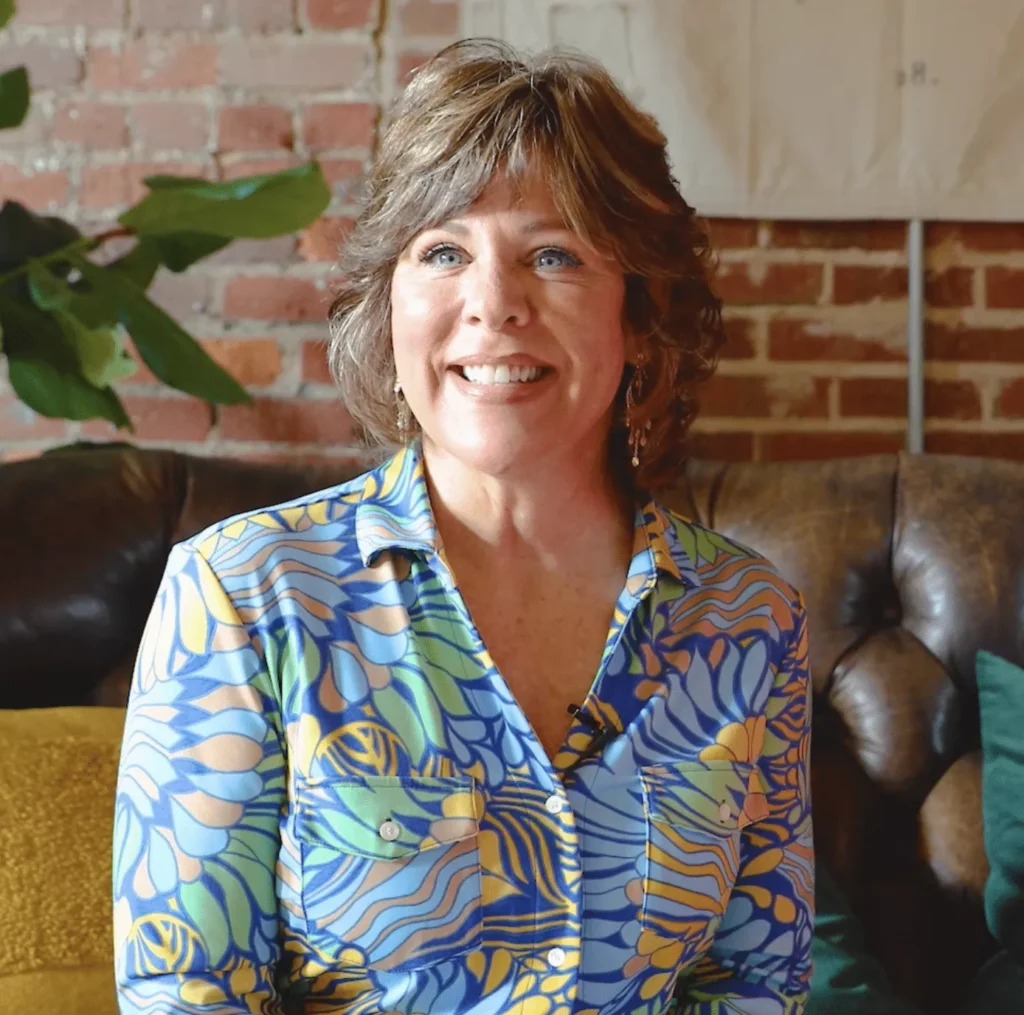
Jane Gentry is a strategic operating model advisor and former CEO of two PE-backed companies who helps mid-market CEOs redesign their companies when revenue grows faster than the business was built to run.
Rate, Review & Follow
Enjoying CEOs Unscripted? We’d love to hear your thoughts! Leaving a quick rating and review not only supports the show but also helps other leaders discover conversations that can elevate their business journey.
Don’t forget to follow the podcast, too! With more insightful episodes and unfiltered conversations on the way, you won’t want to miss what’s next.

CEOs Unscripted
Where Real Talk Drives Real Growth And Delivers Real Results For Mid-market Leaders.
Welcome to CEOs Unscripted, the podcast where real talk drives real growth and delivers real results for mid-market leaders. Each episode offers an unfiltered, behind-the-scenes look at the wins, the losses, and the playbooks shared by CEOs, founders, and executives. Grab a seat and join us for unscripted, honest conversations about what it takes to lead, grow, and scale in today’s business landscape.