How do you bring autonomous vehicles to an industry that hasn’t fundamentally changed in 200 years — and get century-old regulators on board?
In this episode of CEOs Unscripted, host Jane Gentry sits down with Matt Soule, founder of Parallel and a 13-year SpaceX veteran, to unpack what building rockets taught him about leading change everywhere else. From battery-electric autonomous rail to the messy human side of transformation, Matt shares the leadership principles behind moving a legacy industry forward.
This is a masterclass in mission, ownership, and why the smartest performers build teams instead of protecting turf. Essential listening for any founder or mid-market CEO navigating growth, AI, and organizational change.
Key Topics Covered:
- Why a compelling, clear mission is a company’s greatest recruiting and execution tool
- How diffuse ownership quietly paralyzes organizations — and how to fix it
- Why job descriptions should focus on outcomes, not tasks
- How AI doesn’t break silos — it exposes the ones leadership won’t address
- The compensation and organizational design problems AI forces to the surface
- Why “it’s not the change people resist, it’s the loss” — and how to lead through it
- The SpaceX lesson on engaging regulators early to build trust
- Why every job — even engineering — eventually becomes a sales job
- How to plan with assumptions and triggers instead of rigid annual forecasts
- The interview tactic that separates real problem-solvers from people who simply drop problems
💬 A Few Lines That Stuck With Us:
- “Learning how to do great discovery is the most underrated skill in business.” — Jane Gentry
- “The people who are so good at their job that they eliminate that function — those are the people I want to promote.” — Matt Soule
- “It’s not the change that people resist, it’s the loss.” — Jane Gentry
📌 Episode Timestamps:
- 00:00 — Cold Open: Ownership, Discovery & Doing What’s Best for the Team
- 00:59 — Welcome to CEOs Unscripted
- 02:34 — Meet Matt Soule: From SpaceX to Parallel
- 04:09 — What SpaceX Taught Him About Leadership & Mission
- 05:48 — Mission vs. Clarity: Why Nobody Knows Where the Company’s Going
- 06:52 — Clear Ownership & a Bias Toward Action
- 07:31 — How a Lack of Role Clarity Paralyzes Teams
- 08:44 — Outcomes Over Tasks: Rethinking Job Descriptions
- 09:45 — Tackle Problems as a Team, Not by Territory
- 10:37 — How AI Is Bubbling Up the Silos in Your Org
- 13:30 — AI as a Productivity Amplifier (and Turf-Protection Trap)
- 13:56 — The Sales vs. Client-Support Story: Codifying Silos
- 16:23 — Promote the People Who Eliminate Their Own Function
- 16:29 — The CEO’s Role as Shepherd of Change
- 18:04 — The Incentive for Change in a No-Growth Industry
- 19:04 — Every Job Is a Sales Job
- 19:56 — Leading With Empathy & Curiosity to Drive Change
- 20:32 — It’s Not the Change People Resist — It’s the Loss
- 21:49 — Risk vs. Reward & the Innovator’s Dilemma
- 23:02 — Helping Your People Take Thoughtful Risks
- 25:24 — Why Great Discovery Is the Most Underrated Skill
- 26:52 — Knowing When to Be the Gas and When to Be the Brake
- 28:46 — Shepherding Change at the Federal Level
- 30:59 — The SpaceX Lesson: Engage Regulators Early
- 31:40 — Turning Stakeholders Into Internal Advocates
- 34:48 — Planning for When Success Starts to Break the Company
- 37:52 — Assumption-Based Planning: Thermostats, Not Rearview Mirrors
- 40:15 — Cross-Discipline Teams in a High-Performing Company
- 40:39 — The Engineer Who Had to Learn Sales
- 44:08 — Hiring People Better Than You & Knowing What “Good” Looks Like
- 45:15 — Lessons From Working With Elon Musk
- 47:52 — Interviewing for True Problem-Solvers
- 49:17 — Holding the Tension Between Limited Cash & Big Ambition
- 51:23 — Partnership Over Trickle-Down Solutions
- 51:34 — Closing Thoughts
👤 About Matt Soule:
Matt Soule is the founder of Parallel, a company using battery-electric autonomous vehicles to move more freight by rail. An engineer by background, he spent 20 years in aerospace — including 13 years at SpaceX — before launching Parallel to solve for service quality and flexibility in a 200-year-old industry.
🎙️ About CEOs Unscripted:
CEOs Unscripted is a bi-weekly podcast for mid-market CEOs, featuring real conversations with leaders scaling $10M–$500M businesses. Hosted by Jane Gentry, the show cuts through the fluff and jargon to share honest lessons from CEOs, founders, and executives who’ve been where you are.
Read the full transcript
Transcript of the episode, lightly cleaned up.
Matt Soule: In a company that I think will be successful, there has to be very clear ownership and responsibility and there has to be a bias towards action. What’s important is that like someone feels personally responsible for making sure a certain result is driven and achieved and they’re communicating that with their peers. I learned that I have to engage these regulators early and develop the trust and relationship. And when I started applying that process to some of the things we did we did later, like it went very smoothly.
Jane Gentry: Learning how to do great discovery is the most underrated skill in business.
Matt Soule: There is a problem with the company that has suddenly emerged. Let’s tackle that as a team. Let’s not let’s not fall back to like, well, this is your role, this is his role. Let’s take this on as a team, be flexible. There’s always gonna be risk, but the reward has to be worth the risk. I’ve always found the strongest performers are the ones who think about that what’s best for the business, what’s best for the team, rather than what’s best for me and protecting my turf.
Jane Gentry: Welcome to CEOs Unscripted, the podcast where real talk drives real growth and delivers real results for mid-market leaders like you. I’m your host, Jane Gentry, and each week we’re pulling back the curtain on the unfiltered stories of CEOs, founders, and executives who face the highs and lows and everything in between. After 20 years of consulting in enterprise, And then experiencing firsthand the reality of being a CEO in a mid-sized company, I discovered why they say it’s loneliest at the top. For most mid-market CEOs, there’s no handbook. You learn through trial and error or by reaching outside your organization for help. That’s exactly why I created CEOs Unscripted, a bi-weekly podcast by mid-market CEOs for mid-market CEOs. Each episode offers an unfiltered, Behind the scenes look at the wins, the losses, and the playbooks shared by CEOs and founders who’ve been where you are. No fluff, no jargon, just unscripted, honest conversations about what it takes to lead, grow, and scale in today’s business landscape. If you’re ready for candid conversations, real-world insights, and lessons from leaders who’ve walked the path, you’re in the right place. So grab a seat at the table because it’s time to get real. This is CEO’s Unscripted. Thank you for coming back to CEOs Unscripted. Today I have Matt Sewell with Parallel. Hi, Matt. Glad to have you. Good morning. It’s lunchtime in the ATL. But
Matt Soule: Good morning. Over here in Los Angeles, so we’re still we’re still in the AM here.
Jane Gentry: You’re still on your second cup of Joe. I’m excited to have you, Matt. You’re doing some fun, interesting stuff. And I can’t I can’t wait to hear about it. But before we start, give everybody kind of the tight version of how you got to where you are.
Matt Soule: That’s right. I’m an engineer by background. I spent 20 years in aerospace. 13 of those years were at SpaceX. I left about seven years ago and I started a company called Parallel. And at my heart, I think I’m a technologist. And so Parallel is about using technology to move more freight by rail. We’re developing autonomous vehicles, battery electric. We work alongside existing freight trains. But what we’re solving for is service quality and flexibility. That’s how we get more freight to rail. But I love jumping into a new problem, understanding what solutions we might accomplish and it doesn’t always necessarily need to be technology. You know, that’s what’s really driven me for the last 25 years of my career is just solving hard problems and getting to build relationships and trust with a lot of people.
Jane Gentry: Yeah, SpaceX. So you come from a really from a really low risk tolerant environment.
Matt Soule: Yeah. I started I started in two thousand six, right after Falcon One Flight One exploded. And I wanted I wanted to join that company because it was very ambitious, it looked hard, and I saw people who were very dedicated and driven to make that a reality. And I never I never imagined when I joined that long ago that the company would be what it is today.
Jane Gentry: Yeah, it’s not it.
Matt Soule: No, I yeah, I d it I it’s been it’s been fun last week.
Jane Gentry: Yeah. So Matt, what have you brought to your leadership from that experience?
Matt Soule: Certainly the importance of mission. I think it’s incredible what people will do when there’s a compelling mission. You know, there’s a lot of places we could go to talk more about, but that like one of those one of the ways in which I think about it is when it comes to talent. There are basically when you’re hiring engineers to take on some of these hard problems, you’ve got engineers who are very driven by mission. And you have other some other engineers who are more like mercenaries. You know, they want to get the top dollar, they want to go to like the biggest tech firms where they know they will they will be paid that. But I think what a startup offers is often very mission driven. And there’s that solving hard problems.
Jane Gentry: Yeah, so compelling mission, but also clear mission. Would you agree? Yes. Yeah. So I one of the tests I like to do in client organizations is kind of walk through the halls and go, you person in this cubicle here, yeah. Give me the give me the give me the four one on the mission. Where are you guys going as a company? What’s great look like? And you’d be amazed. How many people have no idea in organizations. So you kind of wonder how does the organization grow in the same direction or paddle or whatever it is they’re doing, without a clarity of where we’re going and what great looks like.
Matt Soule: Yeah. Yes. Yeah, we have we have all hands every month and we talk a lot about what that mission means for us right now, but also in the future.
Jane Gentry: Yeah. Mission, what else?
Matt Soule: In a company that I think will be successful, there has to be very clear ownership and responsibility. And there has to be a bias towards action. I was before I was at SpaceX, I was in aerospace larger, more traditional companies, and I did not see those things. And I realized that was one of the things that was like personally frustrating to me. It was It was the lack of ambition in terms of what missions they’re taking on, but it was like very diffuse ownership and just things move very slowly.
Jane Gentry: And I see in companies as well, people get paralyzed by a lack of clarity around roles and responsibility. Yes. It’s an area that we dig into a lot and decision-making authority. Without clarity, it just kind of paralyzes folks. And so you expect people to take on to something, but you never really told them that was their role or what their authority was. And so, you know, if people just went off doing whatever they thought they should do, that’s gonna create chaos. And so it has the opposite effect. It really it really paralyzes them.
Matt Soule: Yeah, you certainly want to you want you want to have job descriptions for people when you hire them, but what is really important is that people see themselves as part of a team and a team is flexible, a team communicates and they’re flexible in and renegotiate those boundaries of who’s doing what. Right. What’s important is that like someone feels personally responsible for making sure a certain result is driven and achieved. And they’re communicating that with their peers.
Jane Gentry: I was just having this conversation with a CEO this week and I said she said something about job descriptions and I said, No, I don’t want you to write a job description. Job descriptions have become like resumes. They’ve become these are the tasks I do. I don’t care about the tasks you do, how you get to it. I care about the outcomes you’re gonna achieve. Right. So same thing with resumes that I look at. Or help people with, you know, I get a lot of my friends’ children coming to me asking for help with their resumes. I don’t care how you spend your day, as much as I care what outcomes you’ve delivered and how do you show that? So when I say roles and responsibilities, that’s what I’m talking about is very outcome driven and measurable, right? And how you get to that, that’s really where your own personal. Creativity comes into play.
Matt Soule: Yes. Agreed. Where my mind is at though is when there is a problem with the company that has suddenly emerged. Let’s tackle that as a team. Let’s not let’s not fall back to like, well, this is your role, this is his role. Let’s take this on as a team and be flexible about what maybe you hired into the company with a certain role. But here’s a problem over here and we need to solve this and not be too fixated on whose domain it is. You know, if you look at some of the best restaurants, right? Like everyone knows that there’s an experience the customer has to have. And everyone’s very fluid in terms of how they share that responsibility and workload. I find that’s always very impressive to watch that in action when someone swoops in, clears a table. You’re just making sure that customer is having a great experience. And that’s what we need to take on problem solving too.
Jane Gentry: I just finished an article. So that makes me think of something I just finished this morning, an article on and as an autonomous vehicle guy, you probably have a point of view on this. I think and this does relate to what you said. Give me a second to get there. AI is bubbling up a lot of really uncomfortable things in organization. And The silos in organizations is one of those things, right? So you’re talking about let’s take it on as a team. And to drill that down even one level further, it’s about information, right? Information has always been power in corporations where I have it and you don’t. And for AI to work, companies have to work differently, right? Because if you hobble the AI with a lack of information, it can’t help you. And so we have to start thinking differently about how we work. Even in larger organizations, because I think this is one of the reasons that it’s so ineffective in a lot of companies. It’s more codifying,
Matt Soule: Yeah.
Jane Gentry: Stylos than it is breaking them down. And that’s one of the superpowers of AI, is demolishing silos.
Matt Soule: Yeah, do you do you see, you know, the people you talk to, do you see fear about certain roles, you know, conventional responsibilities just being completely eliminated?
Jane Gentry: That’s it, and that’s the second point in the article I just wrote. Yeah, I should send it to you. Yes, is the way leadership is a dealing with that is not dealing with it. Right. They’re kind of burying their head in the sand. And the reality is, you know, AI needs people, but it needs fewer people, needs different people, needs doesn’t need taskdoers, needs critical thinkers. And creative thinkers. Yeah. Which is why, you know, years ago, Dan Pink’s book, A Whole New Mind, I gave it to my dad, and I said, my right brain is about to be really, really popular in business, right? And that’s what AI requires. So yes, I do see that as a problem, but I think it’s something that you address before you execute AI, not While you execute it, after you execute it, or never, which is the choice of a lot of leaders, unfortunately, is never.
Matt Soule: Yeah. In a in a high performing team, I see AI as a productivity amplifier.
Jane Gentry: Absolutely.
Matt Soule: But I have seen from time to time people who want to protect their turf and make everything you know walled off and basically create job security through that wall.
Jane Gentry: That yes. So it just happened this week. A client support team. I’m sorry, I’m backwards. The sales organization didn’t want client support to see the size of the client deals. And what was their motivation for that? They didn’t want customer support to come back and want more of the pie from a comp perspective, right? So it’s like You know, so what we do is then we hobble the whole organization because of a leadership issue that needs to be dealt with a different way, right? Meaning AI bubbles up these conversations around what you just said, Matt, which is if how am I evaluated? Am I evaluated as a part of a team or as am I evaluated individually? Am I evaluated in a way that is in competition or misaligned with other parts of the organization, which is a huge issue, right? Then what AI does is it amplifies that. It can’t solve for it, it just it amplifies it, it reveals it, right? So If your org design, if those roles and responsibilities that you talked about are not super clear, if your comp is not more team-based comp, then you’re codifying the silos that already exist in organizations. You’re not you’re not busting through those, which is as I said, one of the things that I see as the superpower of AI is to Help people work across those stylos. But you’ve got to think differently. Yes. Gotta think differently about business.
Matt Soule: I’ve always found the strongest performers are the ones who think about that what’s best for the business, what’s best for the team, rather than what’s best for me and protecting my turf. Right. The people who are so good at their job that they eliminate that function, those are the people I want to promote.
Jane Gentry: Yeah. Yeah.
Matt Soule: I think some people inherently feel like they need to protect that. Create security around that.
Jane Gentry: So the thing that made me write this article was a something I saw this morning from McKinsey about how the role of a CEO in transformation, right? And everything you do right now is a transformation. So how do you see your role as kind of the shepherd of change inside your company?
Matt Soule: I would I would tweak that question a little bit and a lot of my role has been I appreciate we’re small we’re a small team right now and so a lot of the stuff we’ve just been talking about like is the team is very nimble compared to how an organization becomes larger and less nimble over time. My role is focused a lot on change, but it’s not so much internally focused. Internally I’m focused on the mission building the team. Refining strategy with that team. But a lot of what Parallel is doing does require substantial change within the industry, which is railroads. I mean think about an industry that has not really changed, at least how most people perceive it. 1800s, we’re talking about a industry that’s two hundred years old. And the regulations that govern that industry are
Jane Gentry: Right. Baby.
Matt Soule: Not quite as old, but have quite a bit of legacy to them as well. And so for us to have autonomous vehicles deployed on this infrastructure alongside freight trains, there’s a lot of there’s a lot of hand holding required for change and how do we do this safely? How do we do this without disrupting the core business that’s already exists there? I think what is very What is very motivating though for each of those, and that’s and that’s probably something we should talk about here, is what’s the incentive for change. But with the rail industry, they’re very, very successful financially. They’ve got great operating margins, but they’ve had no growth. And this is this is one of their incentives right now for considering a new technology that Parallel is developing, is that we are a tool for growth, a tool that has not been really available to them. But you do need to guide them through how this is going to change and how this is going to work. And some of it we’re figuring out with them. But there is that carrot in front of us.
Jane Gentry: Well, you’re actually a salesperson, aren’t you? Because that’s the role of a salesperson. Why this? Why now? Why not something else?
Matt Soule: Yes. I think even engineering ultimately becomes a sales job as you as you progress in leadership roles.
Jane Gentry: Mm-hmm. Yes. All jobs are a sales job. If people haven’t figured that out yet, they need to jump on the bus of that. All jobs are a sales job. Yes. You might not have the same client, but you all have a client. Yes.
Matt Soule: Yes. Yeah, so it has been a lot of work to participate in recognizing here’s a problem that is worth solving, but how do we do it? How do we do it and
Jane Gentry: What have you done that’s worked though? What could people steal from you? Borrow?
Matt Soule: In terms of navigating that process? I think as a starting point, it’s very important to have empathy and understanding about what the person on the other side of the table is facing day to day. What is their reality? What are their concerns? And I think you have to start with that empathy and curiosity before you can start helping them figure out how to get to where we will agree we should be we should be going, but
Jane Gentry: Yeah. Mm-hmm.
Matt Soule: Navigating change is hard and I think as a as a great starting point, you need to understand like what the other person is thinking.
Jane Gentry: Yeah. I was just in a conversation with somebody yesterday and I said there’s a world of difference between saying you wanna do that and doing it. And what I need to do right now for you is make this feel really real for you so that you feel what it’s gonna be like. To let go of that thing you just said you want to let go of. Because you can intellectually see the logic of it. You can intellectually want to let go of something or change something. But there’s that point where reality hits you, and a lot of people don’t get past that. So, and it goes back to the whole Bill Bridges stuff from the 70s, which is It’s not the change that people resist, it’s the loss. Every change, even great change, even when you left SpaceX and started parallel, has loss associated with it. So how do we how do we walk people through that loss?
Matt Soule: Yes. Yeah. And I and I often when the context of what we’re doing now is there’s always gonna be risk, but the reward has to be worth the risk. And w this is not even the rail or transportation industry is what I’ve observed is that as companies get bigger, there’s a bias towards feeling safe about what is done day to day. I mean, this is the you know, the innovators’ dilemma. Like this is the classic problem of like a big company becomes successful and they’re after they’re after big new sources of revenue. And so they don’t take on the small things, the small risks or small innovations that can actually develop into the into future companies. So there, you know, there’s a lifecycle of companies because of that risk aversion. But the reward for taking on some of these projects that may not look big in the in the beginning, but substantially dress like where the future is going, like those are the things that are worth doing. Like you cannot you cannot avoid you cannot have sustain as a as a as an ongoing enterprise, right, if you don’t adapt and take some risk along the way. But you’ve got to be mindful of the rewards that come.
Jane Gentry: Help your people know what that looks like what a what a good risk what a thoughtful risk looks like and I’m gonna do a reporter thing on you because if I don’t do two questions at once I’m gonna forget sorry and how do you help them feel safe as a leader to do that
Matt Soule: You I think it always starts with a conversation. You know, what are we trying to achieve? What do think is the benefit of this? And what do we think the risks are of maybe not doing this? Like as a startup, the speed at which we operate is important, even if the industry you work with is not known for speed, is because you have a finite amount of cash and
Jane Gentry: Mm-hmm.
Matt Soule: You need to get creative about how you get to certain milestones and goals, given that you’re just burning through that money at a certain rate. Like you need you need to become an ongoing business. And so we need to have open discussions about strategic decisions that we can make about how do we get from A to B to C. And we I think, you know, the answer to your question, like I it’s not specific, but it’s just like talk about like the pros and cons of like all the options that are in front of us and like also consider that. Like, yes, we follow this exact industry standard to the letter, like we will probably have high likelihood of like getting a stamp of approval from someone, but it might take us forever and it might take us resources that we just don’t have right now, and then we risk not making it through that next milestone. So how can we be creative about reducing the scope of that? Do we do you have to take on all of this? Do we can we hire an outside expert to help us with this? But it also I think comes back to having a conversation with the various stakeholders about who’s gonna judge us on what we’re doing. Like, are they really as rigid as we imagine them to be? Have we really asked the questions to them? So I you know, it seems like hand wavy, but I think it’s like having a conversation and like looking at like all the, you know, the various angles from different perspectives as we work through this as a decision. And I’m always happy to like help my team, like, you know, if you don’t feel comfortable, it’s like let me help you. Make a decision so that you know that you have my support and this is the decision that we’re making as a company.
Jane Gentry: Yeah. Learning how to do great discovery is the most underrated skill in business. Whatever that conversation is, if it’s a sales conversation, if it’s a you know, what you just talked about, how do we determine whether or not this is a viable or reasonable risk for us to take? I think being able to ask great questions and dig down into those things is one of the most underrated. Skills in business today.
Matt Soule: Yeah, I agree. I’ll also add as we’re talking about this, I think also knowing like the individuals, you know, having the relationship with employees or people who are like working through this, like you truly get to know them, you’ll know that, you know, this person over here is inherently very risk averse. Like they want they want to be right, they want to do the right thing, they want to feel safety and security in that. But we have to balance that sometimes in some ways. And other people are like,
Jane Gentry: Okay.
Matt Soule: The opposite. Right. Like, hold on, hold on. Like, I get where you’re coming from, but we may risk these other things over here if we don’t think about that too. So sometimes I find I’m more, you know, what we’re doing here, my foot is on the gas more than the brake, but foot, but sometimes for some decisions, some people, I’m actually a little more break.
Jane Gentry: Yeah. Well, and I think that sometimes leaders think, you know, I can’t do that. I’m in a big I’m in a bigger company. I can’t do that anymore. But I know I’ve said this on the podcast before. Somebody when I used to do a lot of work with Home Depot, you know, people would always say one of their favorite things about Bernie Marcus was he’d do store visits. And he’d know these people that were on the floor working in the store and you know, hey Matt, how’s your how’s your kid doing on his baseball team? You know, or he knew that and he remembered it in a in a big company. So I agree with you. I think it’s important to get out of that office and get to know people and you know, maybe you don’t have to drill down to their kids’ baseball team, but you’ve got to get to the point where you understand things like what you’re talking about is this a person I need to nudge to get them to take more risk? Or is this the person that I need to really pull back a little bit and say, Hey, let me let me give you a framework for maybe thinking through this a little differently before you come to me and say you want to do that? Right. Let me let me give you a f a framework so you can Have something to judge your ideas against before we talk about it. Otherwise, you’re in my office every twenty minutes, right? With a great idea. Those idea people like have an unlimited amount of ideas. Those people that absolutely live in that part of their brain, like that’s a great day for them, is 15 new ideas, you know? So but they’re not all executable.
Matt Soule: Yes. Yes, I know some people like that.
Jane Gentry: Yeah. So you talked about kind of shepherding change. I know one of the places that you have to deal with this kind of change is at the federal level. We’ve never talked about that on the podcast, like what it’s like to deal with an institution that is so unbelievably full of drag and old ways of thinking and old ways of doing things.
Matt Soule: Yes.
Jane Gentry: What’s been your approach, Matt? What do you find has been successful? What do you find has not really worked that well?
Matt Soule: You know, you mentioned that and I think my first reaction that I feel is actually when you look under the hood, the inner workings, like you get to know the people in organizations that understandably might have that external reputation. Some of the people inside those orgs are frustrated too. Like they want to do more. They want to be bolder. They want to go faster. And so I’ll come I’ll come back to like getting to know the people there, developing the relationship, the trust is like step one. And that was something that I learned sometimes the hard way when I was at SpaceX is we had a number of external stakeholders, some of them were customers, someone were regulators, who were watching this company, you know, this commercial company, launch a rocket, go to the space station, land a rocket, reuse it. I mean, this was this was putting a lot of people out of their comfort zone. I think I can’t speak for them now, but I think they’re very excited about what was done. But it was a process. And what I learned is that when you’re gonna seek, you seek approval, you need approval, like many, many things that SpaceX did, like it was not it was it was done with buy-in from these external stakeholders. And you had to build an understanding with them about what you’re trying to do and how you’re planning to do it. Now, I saw other people try to like develop. Their product and their system in a vacuum and then show up at the last minute and say, dear regulator, please approve this. And they’re like, hold on, what is this? I don’t agree with that. Right. So I did a little bit about that. I did a little of that in the beginning because I was just, you know, no one had trained me or guided me. You autospace actually just throwing the deep end to see if you sink or swim. And I
Jane Gentry: Yeah, yeah.
Matt Soule: I learned that I have to engage these regulators early and develop the trust and relationship. And when I started applying that process to some of the things we did we did later, like it went very smoothly. I found that it was like very easy to get approval for what I was owning, what I was working on, to actually be green for launch.
Jane Gentry: You find that they also become internal coaches and advocates for you.
Matt Soule: Yes. Yes, 100%. I mean, that’s one of the dividends of making that investment that pays off. And so with what Parallel’s doing, yes, the federal railroad administration regulations are not modern. But I think there’s some fantastic people there who want to see that changed. But it’s taken it you know, it’s taken time to get to know many of them. It’s taken time to understand. Build an understanding mutually about, you know, what they care about, what success looks like. I’ve I think that they have been very supportive of what we’ve been what we’ve been working to do because they see the benefits to industry. And but I’ll just go back to like you’ve got to build the relationship and understanding. And I think f frequently you’ll be surprised you know, that they actually may want to change things as well. Not that’s
Jane Gentry: Yeah. A turnover there between like boomers and X Gen Xers or I mean I think there’s an interesting time. There’s certainly an interesting time in the market that we’re in a lot, which is mid-market. Yeah. Where a lot of boomers are on their way out trying to sell their businesses, trying to have their kids or their employees take over their business. And so that helps. Kind of grease the wheels of change. Are you seeing that in the in the administration?
Matt Soule: I hear where you’re coming from. I think when you look at this industry, I don’t see s too much of a generational difference. I think it’s just the culture of the people that come into this industry, whether they’re later in their career or earlier, is more shaped by just the industry because a like super ambitious young person early in their career, Where are they gonna go? They’re not gonna go to industry maybe that has like a reputation for being two hundred years old, right? It’s not changed a lot. But there are people out there like that. And that’s been part of my job is like hunting for the innovators and early adopters who do get excited about what we’re doing and wanna support it in every way they can. And it’s been it’s been hugely rewarding and exciting to like find those people, whether they’re younger or later in their career.
Jane Gentry: Thanks for saying it that way. I appreciate you. You’re talking about me. But thanks for that.
Matt Soule: But it’s like I like in all like seriousness, like they what matters to me is like finding the early adopters and innovators who wanna who wanna like join the mission here. You know, they’re not necessarily like doing the engineering, but they’re advocates for what we’re doing. And I and I’ve found that like there’s no there’s no age prediction in terms of who’s gonna be in that camp.
Jane Gentry: Love it. I love it. So, Matt, as you kind of look forward to where your company’s going, there’s this inevitable place where stuff starts to starts to break, right? When you start to be successful. How are you planning now for when that or when that watershed moment comes and that epic?
Matt Soule: Breaking can mean a lot of different things. I’ll say I’ll say like a few things here and you let me know like where I’m hitting. But we’ve always been a very test obsessed culture. Like we need to test not just the product but how we operate it early and often. And we are finding issues. And that’s great because we want to find them as soon as possible. We want to find them before we’re deployed at scale, where finding issues like that can be more painful. You know, safety is always our number one priority, but then we also need as a close second is we need operational reliability. So we are we are keeping ourselves honest by running all of our technology, all of our operating practices through Sue Gauntlet, and not every day is a great thing. But we’re
Jane Gentry: That’s the product. I’m talking about your company. There are these moments in the growth of organizations where your success starts to break the operating model of the company. Yeah. And so most CEOs, in fairness, figure that out after it’s broken. But
Matt Soule: Yes, yes.
Jane Gentry: You’re a pretty smart dude and we talked ahead of time. So I we had that little conversation. So I know that you’re kind of you’re thinking ahead of like what next looks like.
Matt Soule: Yeah. No, we are looking at what is I mean, the w the way I like to answer your question here, which was which is about the organization, is what are we on the hook for in the next 12 months? This is this is part of how we’re operating as a team, is that we are we are doing annual and quarterly planning. We’re not looking in the rearview mirror, we’re looking ahead. And it and it’s impossible, right, to accurately forecast exactly what the future is going to look like. But just by the sake of, you know, just by the fact that we’re That we’re even taking the time to think about that and do some planning around it. What are the things we need to do to be a successful business, to keep our customers happy and seeing that we’re advancing on the technology deployment, et cetera? What are the business functions and capabilities we need to do that? What are the people we need to go do that? And so ultimately, like we derive it as exercise is like head count planning. And it also drives other. Initiatives like fundraising, like how much cash do we need to raise, right? We’re in venture, we’re venture back, so we’re you know, we’re always fundraising. But that look ahead is what not a hundred percent insurance policy, but helps us be prepared for what we think is coming.
Jane Gentry: Well, here’s the difference that I hear from what you’re saying and what other people do sometimes is no, you can’t predict more than I mean, 12 months is even a little bit much with the speed at which things are changing today. But you can make assumptions and you can catalog those assumptions that you’ve made, and you can identify, we call it the thermostat or the thermometer of those assumptions. Where you’ll go if it gets above this number or if this happens at this rate, our assumption was wrong. And what are we going to do to course correct? That’s a whole different kind of planning than that’s a more sophisticated kind of planning than what most CEOs do, right? Yeah. But doing that annually and then checking that quarterly and saying, are our assumptions still valid? If they’re not, what was the trigger that told us it wasn’t it’s not valid? And what do we do? How do we how do we course correct now with that?
Matt Soule: Yeah, as a startup we’re certainly not we’re certainly not checking in on metrics like that annually. You know, this is a this is a weekly
Jane Gentry: Well nobody should check on him annually because if you check on him annually you miss the boat, dude. Yeah.
Matt Soule: Totally. Yeah. And this also ties back to what we were talking about at the beginning, where I want people on our team to be focused on the team, not just here’s my little role. But because when we do have something inevitably that happens that was unexpected, we want to have a very dynamic, responsive team that can jump on that. Even if, you know, hey, I do software, but we’ve got to build some wire harnesses right now. Like I’m gonna stop coding, I’m gonna like go crimp some wires.
Jane Gentry: Yeah. Yeah.
Matt Soule: That’s the type of like cross discipline work that I think is like very, very valuable to be a high performing company.
Jane Gentry: Yeah. I coach for a program at a university in an entrepreneurial sales program. You’re right there. You’re that you’re that guy that’s gotta be out there being the face and being the number one sales guy. What have you learned about that?
Matt Soule: About sales.
Jane Gentry: Yeah, about being in that role. You’re an engineer by trading. Yeah. I can tell you that from working in the sales arena for 30 years, engineers not big fans of sales, not big fans of selling. So how did you fight against that initial reticence that I would imagine you feel as a highly left brain guy?
Matt Soule: Tell you.
Jane Gentry: And jump into what is what can be a pretty right brain activity.
Matt Soule: Yeah, I honestly don’t think I felt any reticence because I’d committed to starting and running this company. And so I knew everything ultimately was my responsibility. I think that the probably the feeling I felt the strongest was man, I really wish I’d paid attention to more of these other disciplines when I was at SpaceX to see how other people did it. Right. Like I didn’t I did engineering, I did I did talent, right? Lots a lot of my time was spent there hiring people.
Jane Gentry: Mm-hmm.
Matt Soule: But didn’t pay attention to finance, sales, like other functions like that. And that was a regret that I had is I wish I had more understanding. And then when I started to take it on and basically figure it out, it gave I think it was it was it was a little bit humbling too, because it’s easy for when you’re in a big organization, you’re like, the sales team over there doesn’t understand what we’re doing right. Like now I’m in their shoes.
Jane Gentry: Yeah, they’re just going out to dinner. They’re just, you know, traveling and having a goo.
Matt Soule: This actually isn’t as easy as a job as I thought it was, right? So it was yeah, it was it was humbling. But I but I led with curiosity and certainly was not I’m still learning, you know, but I’m not fighting it though. I think it was probably easier in the beginning to speak to the qualities of what we’re trying to do, but actually like turning that into like closing a deal. That’s where I’ve had a lot of learning. Yeah. You know, you’ve got to discover, okay, what actually gets a deal done here. Mm-hmm. And we fortunately, you know, because we built like our coalition across the industry of like who’s who are the innovators and early adopters, we’ve benefited from that trust and support. It’s like asked, like, hey, how do you make a business decision. How do you make a buying decision inside your organization? And they and they shared they shared that with me. And that was like very exciting.
Jane Gentry: Yeah. Yeah, expect to be willing to ask the question, right?
Matt Soule: Yeah. Yeah. And so we’ve now incorporated a lot of those learnings into our process and it’s been very helpful. So like what we’re doing now is basically an enterprise sales function where you don’t have just one distinct buyer. You have you have a number of stakeholders that need to sign off on this.
Jane Gentry: Reminds me, I promised you something and I didn’t deliver. Because I didn’t write it down, Matt. That’s what happens. So that kind of leads me to the question of where are you going now to learn these disciplines that you didn’t really pay a lot of attention to at SpaceX? How are you how are you getting yourself educated on
Matt Soule: I would say now I’m probably in a privileged position where I don’t necessarily need to wear every single hat myself is I think more of my focus is on okay, who are the best people out there that I can bring to be on the team, sit around the table and be better than I am at these things.
Jane Gentry: Well you’re still managing them though, right? So don’t you feel like you have to have some you don’t have to know how to do their job, but you sure have to know what good looks like.
Matt Soule: Sure. Yeah. Yes. Absolutely. I do find that one of the challenges of being a leader of a of a large organization, diverse organization, is you’re not going to know everything. Like when I was when I was advancing through engineering, generally there was an expectation that as a as a manager in engineering, you were as good as, if not better than all the people on your team. And I realized that’s like That’s not the right way to think about it, but that was generally what I saw a lot of people assume and expect of entry level management at SpaceX. And then as you go up the chain, it’s impossible to know everything, every single discipline as well as your best employees.
Jane Gentry: Yeah. Sure. So you know, kind of as we get to the end, yeah, you know, I would get slapped by people if I didn’t ask you a couple of questions about like what you what you might have learned from working with Elon Musk, or what has informed the way that you run your own company as a result of that experience? I have to ask it, Matt. I’m sorry.
Matt Soule: Yeah, I mean.
Jane Gentry: Probably don’t want people asking about that, but
Matt Soule: It doesn’t stop them from asking, so
Jane Gentry: Gonna stop me. There you go. So
Matt Soule: I mean, Elon is incredibly risk tolerant, like way, way, way beyond what the average human is capable of. I d I don’t think people appreciate that. And yes, he, you know, he does and says some controversial things, but I think he’s been a huge, huge driver of change innovation and has created thousands of jobs, so much wealth for people who have who have taken the risk and stayed with him on that journey. I think what would what probably took me some time is to appreciate like how visionary he was. You know, how he was he was he’s thinking like twenty years ahead, not like two months ahead. And that and that candidly probably took me a few years to get used to. Like I was driving, I was developing a battery for Falcon One, and I’m thinking like onesie twosie. He’s thinking about like a factory that builds batteries for like going to Mars. Right. And so he was what shocked me was like he wanted to invest like way more into like the infrastructure and equipment to like build that factory than I was thinking. And I’ve always appreciated like how bold he is in what he does and how good he is at like at sussing out talent, identifying like who is who is actually gonna be an effective, efficient problem solver, and really help execute on this mission. He’s just got a tremendous, tremendous nose for like that talent.
Jane Gentry: Yeah, he’s got a he’s got a schnazz for it, but what how do you take that and translate that into your business? Have you have you taken any specific tips from him on how you do that?
Matt Soule: Well, we talked about the mission. You know, you we’ve got to be doing this for the right reasons. We’re doing this for the public benefit of moving more freight by rail, but you need that ownership, you need that accountable organization.
Jane Gentry: Hard to it’s hard to interview for that though. How do you how do you test these folks for those kinds of attributes?
Matt Soule: I think there are definitely interviewing tactics. You know, some of that I learned at SpaceX, something I’ve learned by just being very curious about this as a topic. I think it’s important to ask open end questions and not lead with those questions as an example. Is like a lot of people will ask a question to something like Tell me about a time you encountered a problem and how you solved it. What you want to leave out is that last part. Tell me about a problem you encountered. And I think it true problem solver will inevitably tell you about the problem they encountered and how they solved it. What matters and I’ve asked this question to people and some people just literally drop a big problem on my lap. And so I’m thinking, okay, here’s a person who’s going to show up my doorstep at my you know, shadow my doorway, right? And give me a problem. Like I we’re not going to have a scalable organization like that. So we wanna have true problem solvers. And I think the details matter too, is they’re telling
Jane Gentry: Interest.
Matt Soule: They’re talking about how they solve this problem. And someone who really did this knows every single little detail. They’re not hand wavy, you know, I did, you know, I showed up, I had a meeting, blah, blah, blah. Right. I think the details show true responsibility for that solution.
Jane Gentry: Interesting. And so, how’d you take away his ability to you know, on the one hand, when you’re not enterprise level, you can be more risk tolerant.
Matt Soule: Mm-hmm.
Jane Gentry: Doesn’t translate always to that you are risk tolerant. So how do you hold the tension between I have a finite amount of cash in the bank and man, we want to really do some amazing stuff. So we’re gonna have to step out a little bit. How do you how do you balance that tension?
Matt Soule: You know, I think it’s really just having again the conversation with our team internally, you know, depending on where that tension exists. Or we’re talking to the customers, like we’re looking for we’re working with the innovators right now. And what I appreciate about that is you can have conversations with them about this. Like, you know, they understand the speed matters. We cannot lose sight of safety, of course. But I found that when you have When you have those as your customers, like they’re very, very open to like having discussion with you about how you can work through that tension. There’s like no one answer to that.
Jane Gentry: Yeah. Sounds like because of what you’re doing, you’ve got more of a of a partnership with these potential clients than a lot of companies are able to have, right? You’re trying to innovate together and bring your collaborative brains and knowledge to the table. And you bring a little forward thinking and they bring a little forward thinking and together you create something kind of awesome.
Matt Soule: Yeah. I mean my I my bias is to is to share, you know, when we have these conversations like here’s a problem, you know, here’s my perspective on like what are what are some of our constraints are. How do we solve how do we solve this? Rather than just saying this is a solution and it just like trickles down.
Jane Gentry: Yeah. Yeah, I love it. Matt, you know, we’re kind of at the end. What is it that I should have asked you about maybe that I didn’t ask you, or is there anything you think is really important for people to know?
Matt Soule: You know, I love the conversation. I think we covered a lot of great stuff about the organization. And you know, I’ll add that we’re just very excited about this moment in the company’s history where we’re starting to see a lot of dividends from all this work we’ve done, all this all this foundational work of like building the partnerships, building trust. We’re very excited about Not anything we can quite share just yet, but we’re get we’re very excited about where the company’s headed. And I would attribute it because of like the mission driven team, the very talented employees that we’ve been privileged to have part of this company, but also the partnerships we forged with our customers as well as like safety stakeholders here.
Jane Gentry: Yeah. Well, I’m for one excited to see where you go and the difference that you make. And I’m so grateful to you for being here.
Matt Soule: Thank you for the opportunity.
Jane Gentry: That’s a wrap for this episode of CEOs Unscripted, where real talk feels real growth. I hope today’s conversation gave you fresh insights and inspiration for your own leadership journey. If you love this episode, be sure to subscribe so you never miss a candid conversation with a trailblazing leader. Until next time, keep leading with intention, growing with grit, and driving for results. I’m Jane Gentry, and this is CEOs Unscripted. See you next time.
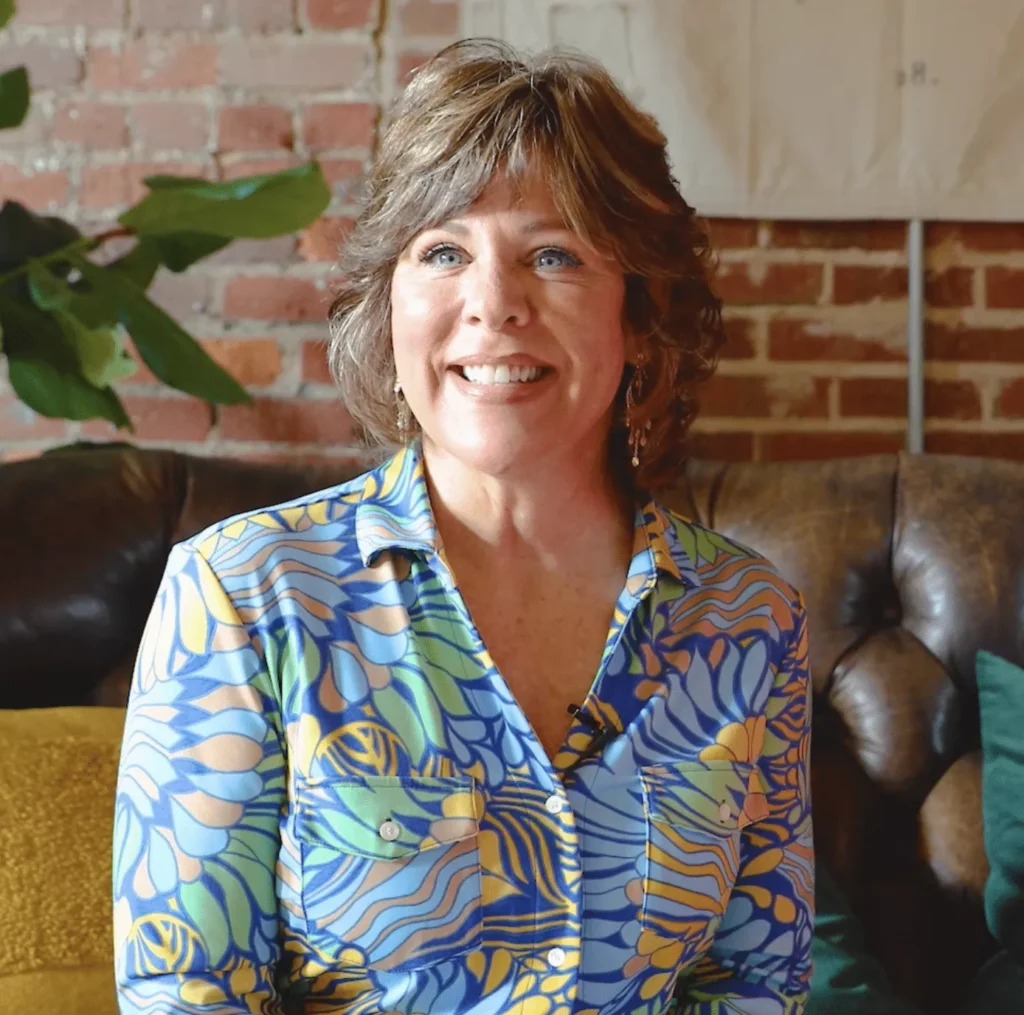
About Jane Gentry
Jane Gentry is a strategic operating model advisor and former CEO of two PE-backed companies who helps mid-market CEOs redesign their companies when revenue grows faster than the business was built to run.
Rate, Review & Follow
Enjoying CEOs Unscripted? We’d love to hear your thoughts! Leaving a quick rating and review not only supports the show but also helps other leaders discover conversations that can elevate their business journey.
Don’t forget to follow the podcast, too! With more insightful episodes and unfiltered conversations on the way, you won’t want to miss what’s next.
CEOs Unscripted
Where Real Talk Drives Real Growth And Delivers Real Results For Mid-market Leaders.
Welcome to CEOs Unscripted, the podcast where real talk drives real growth and delivers real results for mid-market leaders. Each episode offers an unfiltered, behind-the-scenes look at the wins, the losses, and the playbooks shared by CEOs, founders, and executives. Grab a seat and join us for unscripted, honest conversations about what it takes to lead, grow, and scale in today’s business landscape.