


From growing up with limited resources to leading one of the most influential real estate firms in the country — Norman Radow’s journey is rooted in purpose, trust, and long-term thinking.
In this episode of CEOs Unscripted, Norman, CEO of The Radco Companies, opens up about the experiences that shaped his leadership philosophy, why people should never be treated as line items, and what it truly means to build businesses that outlast their founders.
This is a candid conversation about values-driven leadership, calculated risk, and creating impact beyond the balance sheet.
What You’ll Learn
- Why people are assets, not expenses
- How early-life adversity shapes leadership decisions
- Building trust with partners at the highest level
- Knowing when not to take capital
- Balancing risk-taking with long-term vision
- Leading with empathy without compromising results
- Creating culture that scales across growing teams
- Why values matter more than valuation
- Making decisions that align with legacy, not ego
- What responsibility really means as a CEO
Key Timestamps
- 0:00 – Introduction to Norman Radow
- 3:05 – Early life lessons that shaped his worldview
- 8:30 – The foundation of Radco’s leadership philosophy
- 13:10 – Trust, partnerships, and alignment
- 18:40 – Risk, fear, and decisive leadership
- 24:20 – Capital decisions and investor fit
- 30:00 – Building people-first organizations
- 36:15 – Culture as a competitive advantage
- 41:50 – Long-term thinking in a short-term world
- 47:30 – Final reflections and leadership wisdom
Top Takeaways
- Why employees belong on the balance sheet, not the P&L
- How values guide decisions when numbers alone can’t
- The hidden cost of playing it too safe
- Why leadership is about responsibility, not control
- How trust compounds faster than capital
- What real impact looks like when culture comes first
About This Episode
Norman Radow is the CEO of The Radco Companies, a vertically integrated real estate firm specializing in multifamily and mixed-use developments. His leadership approach is shaped by lived experience, a deep sense of responsibility toward people, and a belief that business success should create lasting social and economic value.
Read the full transcript
Transcript of the episode, lightly cleaned up.
Norman Radow: My father said to me, know Norm, an employee is listed as an expense on a P &L by the accounts. He said, but in truth, your employees are your greatest asset and they should be on your balance.
Jane Gentry: I hear CEOs all the time say our employees are our biggest asset and yet they don’t walk that talk.
Norman Radow: If you feel that something’s not going right, you gotta tell me, my door is open. It’s open now, even though I’m on a podcast. I’m not closing. I want you to come forward and tell me, and they do. You have to have the same kind of trust with your business partner as you do with your spouse. That was a very, very difficult thing, but it came because of what my father taught me that was awesome responsibility of protecting and taking care of people who are your most important asset and an asset to our society.
Jane Gentry: Purpose-driven organizations, generally their share price beats the S &P 500 by 700%. Welcome to CEOs Unscripted, the podcast where real talk drives real growth and delivers real results for mid-market leaders like you. I’m your host, Jane Gentry, and each week we’re pulling back the curtain on the unfiltered stories of CEOs, founders, and executives who face the highs and lows and everything in between. After 20 years of consulting in enterprise and then experiencing firsthand the reality of being a CEO in a mid-sized company, I discovered why they say it’s loneliest at the top. For most mid-market CEOs, there’s no handbook. You learn through trial and error or by reaching outside your organization for help. That’s exactly why I created CEOs Unscripted, a bi-weekly podcast buy mid-market CEOs for mid-market CEOs. Each episode offers an unfiltered, behind-the-scenes look at the wins, the losses, and the playbooks shared by CEOs and founders who’ve been where you are. No fluff, no jargon, just unscripted, honest conversations about what it takes to lead, grow, and scale in today’s business landscape. If you’re ready for candid conversations, real-world insights, and lessons from leaders who’ve walked the path, you’re in the right place. So grab a seat at the table because it’s time to get real. This is CEO’s Unscripted. Welcome back to CEOs Unscripted. So I’m excited today to have a new friend, Norm Radow. And I think you’re gonna really enjoy Norm’s story. It’s a little bit unique and something that we haven’t heard before. So welcome, Norm, I’m thrilled to have you.
Norman Radow: Thank you, Jane. I’m so glad to be here.
Jane Gentry: So, okay, here’s how we start, Norm. We start with your backstory and I tell people I’m not really interested in anything on LinkedIn. We can all go look that up. Give us the juicy, the good stuff.
Norman Radow: Yeah, good stuff. There’s so many things that I recount from my childhood. I grew up in Brooklyn. I grew up in a time surrounded by veterans and Holocaust survivors. And of course, a motley crew of all ethnicities in my neighborhood. I grew up in a public housing project in Eastern New York and Brooklyn. And so, identity.
Jane Gentry: How’d you get where you are?
Norman Radow: Tons of kids, know, it was the baby boom coming out of World War II and there were just thousands of kids. I mean, there’s always people playing and outside parents with their kids and strollers and pick up games and all kinds of sort of, you know, great stuff. But it was all done on asphalt. Of course, we weren’t allowed on the grass. We always played on asphalt. We had to be innovative because we didn’t have really sports fields or anything. You know, we The monkey bars were second base and the seesaws were, you know, first base, et cetera. So we had to be very innovative with how we played and, and you wouldn’t believe how many games you can have with one rubber ball. I mean, probably 20 games we had with it. So in, in that way, we, so many kids, people say don’t have that kind of density and so many kids that could just go out and play and do things together. There’s a real sense of community, but also we’re all poor. And, and now not for like, you know, we’re in, you know, on, dirt floors, but we all lived in one bathroom apartments. It’s five of us in our family at one small, bathroom. We all, you know, we had one car was old. Many people had no cars and use public transportation. And it was a time of, when, it was. The wealthy live with the poor. The wealthy weren’t that wealthy. So the doctors, my doctor, lived in maybe a row house, you know, when we lived in the housing project. So maybe they made two or three times what my father made, but they weren’t wealthy. Were well off to us, but they lived like us and among us. Our banker would live, you know, also in our neighborhood. You wouldn’t have the bifurcation of the wealthy are over there and you the suburbs in Long Island were just starting. And so it was it was really different time where there was a real melting pot of, you know, executives and workers, postal workers versus postmasters. You know, it was a real interesting time. And in a way, I wish we could go back to it. Maybe it would stop some of the divide in our country. So we learned I learned a tremendous amount. You’re looking back about that time. I also learned that housing manager, property management, really had an extraordinary impact on a child’s life and the quality of life for all the people who live in their community. And I know it’s hard to imagine that today, but I actually came up as a teenager with the idea that there are three legs of the stool of society. It was the police or criminal justice, the schools or education and property management. They all work together, keep kids safe. Keep the neighborhood safe and clean that kids could have a really good quality of life. I did until such time as well intentioned changed the dynamic and the policies in a profound way in the mid sixties and late sixties. So the public housing projects, which were built as veterans housing became a feeder for urban renewal. So in other sections of the city where they’re tearing it down and building up or going to build up other housing, they’d move families into our development that weren’t part of the fabric of that community. And so they came in not connected. They came in sometimes in two or three families, extended families living in apartment overcrowding it. And with that, the family lost control of lot of their children and stuff and you get bullying and things like that. It really became much more noticeable. And so the Housing Authority had a clause in your lease that said, and it’s a long story, but to get to a short point that said, anyone in your family committed a crime or violated a, you know, or important rule in the community, you could be a victim. So it required families to be the police themselves, right? Clean safe apartment and do it at a value you can afford, then you have responsibility. And the responsibility is make sure your family follows the rules. And so if you’re a victim. At some point, the courts held that clause was unconstitutional, it void, it was against public policy. And so that tool was taken away. And one by one, these tools of the housing authority were taken away. And the same thing with the police. I got beaten up and I went to the police, they said, oh, we can’t do anything. If we arrest them, they’ll be released the next day. I’m wasting my time. And so the police sort of would, And then in schools I get beaten up and then the schools would say, well, you know, what do you want the teachers to do? You know, so they sort of back off society under the, you know, the idea of, you know, well-intentioned liberal policies really destroyed my child. Really, I was shaking down every single day for my lunch one. So I had to put the dollar that’s all actually less in my sock. And then take a nickel and three pennies and put them in my pocket. Let that jingle so they would hear that they punch me. They take empty my pockets, take the eight cents and they thought they won and I had the dollar in my sock. That was every single day. My parents didn’t understand that they kept saying, norm boys will be boys, know, and you know, they fight and I go, yeah, ma, one throws a punch and the other gets punched. And if they didn’t understand, they just couldn’t understand that people would be so violent. So you know, just so blatant. And I just found myself, that Charles had determined that if I was ever in a position where I would affect the Charles life, who would do like this, I would not let it happen to them. Later, that’s what I became. I became a landlord. And that’s been a guiding principle for mine ever since. So it was a really learning, process for me, one I wish I never had to be candid, but having it, think I’m a better person.
Jane Gentry: Yeah, I agree. Grew up in military housing and, you know, like you.
Norman Radow: Which is not today’s military house.
Jane Gentry: No, no, no, no, it was. It was not fancy. You know, was very it was very similar, I think, to what you what you grew up in. And we don’t want those. We don’t want that adversity, right? But it’s that adversity that really builds our character and really. I think creates the values that we have, right? The things that are important to us. You said something to me the other day about what your father, some advice your father gave you. Share that with the listeners.
Norman Radow: Sure. And just to tell you, going back to the first part of the discussion, and you’ll see in my life that, you of course my business life creating community is one of my, you know, driving goals and objectives. But in my philanthropic life, education, particularly public education, educating first generation that didn’t have access to private education or other educational opportunities is one of our major philanthropic pillars. And so that’s why you’ll see our, you know, right now, Kansas State University, we have 60 students a year that we pay full time tuition for. And we have it in my old alma mater, SUNY Plattsburgh, my old law school as well. It’s one of our driving pillars. So building community and again, education. So at least two of the three legs of the stool that I claim and I think correctly hold up the stool of society, you know, we’re trying to strengthen and support.
Jane Gentry: When you’re bullied as a child, which I was also
Norman Radow: I would never bully
Jane Gentry: You were never bullied?
Norman Radow: No, I was never a bully, but I would never bully you. They probably actually loved you and that was the way they were showing it.
Jane Gentry: No, I was bullied. I mean, I moved to different places every four years, right? And it’s easy to bully the new kid, right? So that kind of experience really cements what you think is important in life, right? And what you don’t want to see other people experience. But your dad, your dad said something I thought was so profound.
Norman Radow: He did.
Jane Gentry: That you shared with me the other day. Do you remember that?
Norman Radow: Yes. My father, you know, when I was in college and I had socialist some socialist professors, not as much as it is today, but there were some, you know, but they stood out then now that the norm, but they stood out and I would go back to my father about it. And my dad was running a grant in New York City. He had probably, you know, a couple of dozen employees under this grant. And my father was a city employee. Was not, you know, making a lot of money, but he did run a very important program. And I started questioning things and saying what my socialist professors said and what my account, my business professors would say. And he said, and I was a historic history major. So I was always looking at two sides as didactic. My father said to me, know, I think that accountants have it all wrong. And I want you to understand this as you go forward in life if you’re ever in this position. And he said that labor, an employee, is listed as an expense on a P &L by the accounts. He said, but in truth, your employees are your greatest asset and they should be on your balance sheet. And that struck me, it stuck with me. The rest of my life. You know, I’m 68 years old and like I still live and breathe it and think of what my father’s saying that like he’s talking to me right now. It really made an impact. Then of course he would show me examples of that house, you know, and so he lived it and I laud him for it and he was a great example for me.
Jane Gentry: That’s the thing, Norm, is I hear CEOs all the time say, our employees are our biggest asset, and yet they don’t walk that talk. They don’t live that tenant, right? It’s kind of like a marketing ploy. It’s not real in their organization. What I’ve seen about you in our conversations is you are a very purpose-driven leader. That’s rare in my experience. We talked about people that we’ve seen like that, Bernie Marcus at Home Depot, very purpose-driven, very people-oriented. Really leveraging his people to the benefit of the business, but it’s a win-win for the business and the employee. And I don’t see that as much in CEOs that we work with anyway in the mid-market.
Norman Radow: That’s sad, isn’t it? And I really think that so much of the labor strife that occurred historically, I was a historian, I read all about it in late 19th century and early 20th century. And you just saw the cruelty of executives and supervisors to their teams. It’s shocking. And I’ve seen that again today and I, I, I scratch my head and I go, you know, forget about business, forget about business. We’re all human beings. We’re all human beings. So why don’t you want to talk to, even if they work for you or they work with you, why don’t you want to treat them like human beings? I, it’s, treat them with respect, with sincerity, with genuineness. If you disagree, disagree, but don’t cancel them and don’t, become, you know, antagonistic. Mean, it’s, it’s, it’s life’s too short.
Jane Gentry: Yeah. And I think generationally, we have to move more towards that. You know, I said, do you have a Gen X or Gen X? We just wanted freedom and money. Right. I mean, we plow through stuff. We don’t. I don’t require a lot of stroking. Right. I just want, you know, if I do good work, I just want you to pay me. I don’t need a lot of. And others don’t require that. But the new generations are very purpose-driven individuals, right? They care about causes. They care about the vision. They care about their role in executing the vision. And I think this kind of leadership is more important. Do you?
Norman Radow: Yeah, it may be. Am. I’ve not changed the way I manage in the last four decades because the people, the generations coming since I think with three generations since me and you have changed. Maybe tweaking here and there or emphasizing something a little bit more they’re already doing. But I have not changed because of that. I think that my leadership style has touched each one of those generations, maybe in a different way, but the sincerity, you can’t hide sincerity, know, you can’t fake it in other words. And so I think that everyone sees that. And that’s really important, no matter what is the motivational factor for which generation. Yeah, I will say this and I. One thing I’ll take a little issue with what you said in your generation, because I don’t believe you, of course. I think you want to do good. I think when you were doing all those jobs 10 or 15 years ago, you’re probably in school 20 years ago, but in 10, 15 years ago, you prefer to have a mission that you believed in. Yeah, I did my work. I did a good job. I got paid, and I like to be paid well. But I’m sure you want to go home and say, hi, I had a great day. I did something really good. Let me tell you, I back in that person’s life today. Mean, that’s, that’s what I want to do. And I go, I’ll tell you when I, um, I had, um, a meeting with, uh, some investors on zoom, uh, two weeks ago about a new project we bought a few months ago is that these are new investors. They hadn’t been with me before. And so I was just giving them a catch up and the project’s doing very, very well. It’s 600 class C apartment units near the airport here in Atlanta. And they were in disarray and it was crime and deferred maintenance and it was 60 % occupied. And it was really sad what was going on at the property. And we came in with the capital, plan. I mean, that’s what we do. And we created the community, the community we talked about before. That’s only been six months. But we finished a lot of projects by now, changed out some of the tendency, got some of the more difficult tenants out. Have, you know, it’s safer. It’s well lit. I mean, it’s cleaner and we actually cut the rents. We made it more affordable and because we bought it so well that we could do that. So we’ve done all those things and I knew that, but you know, I’m not touching the tenants every single day. Do communicate with them occasionally that I get emails and what happened, but I don’t, I’m not there touching it. Got a billion dollars worth of other assets to look at as well. So anyway, we’re on the phone and I was telling him all the things we had done and I just blurted out, which is a big mistake because as a lawyer, you never say you ask a question that you don’t really know the answer. But I said, you know, and I’m sure the tenants are so residents are so happy they’re seeing that change that I bet if we go on Google reviews, I bet there, you know, we have really good refuse. I went. I have no idea how Google reviews are. It’s not something I’m looking at every day. And so they went on and Googled it while we’re on the call. Wow, look at these reviews. Fantastic. Thank God. But, know, that’s really how people are feeling it and seeing it and.
Jane Gentry: But you’re doing something. As a purpose-driven leader, tell me some of the tactics that you use to drive purpose in your organization.
Norman Radow: So the big point I was trying to make about that is, and this will help start to answer your question, is that I went home that night feeling great. Now, I didn’t go home at night feeling great that my investors were happy. I was feeling great that everything that I strive to do and I’m trying to do and I’m trying to lead and push down and what’s happening that people’s lives are actually being affected in a positive way. People, by the way, who live hand to mouth, people who Struggle every day people don’t know how they’re take care of the kids while they’re working and they throw them out and then they go out and play in the playground But you know are a criminal inside there will they be bullied, you know? Just think all the worries they have every day with a car breakdown if they do I pay rent or and all this and these are people making 40,000 maybe a year at this property and here they are Thanking us and that’s just warms my heart. Goes to all the stories we’ve talked about already. And that’s the kind of messaging I try to send to our employees. I tell them that you’re doing something really good. And if you feel that something’s not going right, you got to tell me, my door is open. It’s open now, even though I’m on a podcast. I’m not closing it. I want you to come forward and tell me, and they do. I go to every meeting. I know who my employees are. Have 260 employees. And I know who they are and I can go and talk to them about their families, but I can talk to them about what they’re doing. And I tell them everything that’s going on in their properties. Go, Mr. Rader, how do you know? I mean, you have 50 properties. How do you know what’s going on? You know the details of what’s going on here? I said, yes, because I care. And they know that and they know they can come to me. Rarely do they do. They usually go through channels, but they know they can. And when they do that, there’s a response and they know we have their back. They know I have their back and much also shocked me the other day. Someone mentioned it to me. Norm, you have such a great class door review. First, I have to ask what’s class door. But I thought we were just looking at class ceilings, you know, glass door too. And I had a four point nine percent glass door rating, which I’m told is like stupendous because, you know, I’m very genuine with my employees. Don’t hide things. I monthly.
Jane Gentry: Yeah, yeah, yeah.
Norman Radow: I’ll send out an email just telling about strategies and what we’re doing and some updates and things like that coming directly from me. And then they’ll go to the properties. We have tons of events and support things in education. And because we’re growing, we also have promotional opportunities and people see that they can grab their brass ring and raise themselves up. We’re trying to make our employees feel that they’re really part of our mission. Their important critical to our mission that they can go home at night and tell their kids and family around the dinner table and they asked dad mom what did you do today you can say today I did something really good just like
Jane Gentry: Here’s the thing that you may or may not know. There’s actually research that shows that purpose driven organizations and purpose usually comes from a from a some incident in your life. Right. Like that’s why I wanted you to tell your back story, because that’s where your purpose has come from. Right. Solving a problem that you lived in your youth. Purpose-driven organizations, Generally, their share price beats the S &P 500 by 700%. So this is not, when you say purpose-driven to a lot of CEOs, they think it’s a squishy, feely, touchy-feely thing. They’re not really interested because there’s no hard data to support it, but there actually is. And running a business like that impacts your bottom line. And you are a perfect example of that.
Norman Radow: You know that I had an executive here and I liked him very much. He’s very likable person and he was with us for maybe four or five years and
Jane Gentry: The
Norman Radow: He was so nice and he was lived from management, you know, research. He’d always have his, he’d have a podcast and things, or I’d have Zoom calls with them during COVID and his whole study for books, floor to ceiling, piled up. And they’re all on management and how to manage, you know, and have the best of this and this study and this study and do this and this and this. You know what? He could manage anything. He was terrible. He, you know, it was easy to hide during COVID and whatever. And I couldn’t see it after a while, but I just couldn’t believe it that you can read all those things, study all those things. But if you don’t, you know, feel it here and you don’t understand what that means and the people part, it’s not a book part, it’s a people part. You know, it’s hard to teach that. I think I’m sad. Most of these executives probably went to business school as all have all the books that this former executive had here and I’ve read them all and but don’t understand how to you know how to you know go past the
Jane Gentry: Well, there’s also a lot of data showing that MBA programs are not putting out kind of the main skill sets that we need to manage critical thinking, right? Anymore empathy.
Norman Radow: They don’t teach core curriculum. Go right to the numbers, the business.
Jane Gentry: They go right to the numbers, right? Right. So these guys come out of MBA school and they’re really not prepared for leading an organization. But I think I think that’s so critical. You know, the other thing you said to me that I found was interesting was. Was kind of a.
Norman Radow: I can’t string.
Jane Gentry: An interesting self-awareness that you had about yourself when you said, I was a little too risk averse as I grew the company. I wish I had done that better. Talk about that a little bit.
Norman Radow: Yeah, well, I think it comes from two places. I was, you know, I had a budding career as a lawyer. I was a general counsel in a real estate company. I was doing fairly well. I was not rich. I had a mortgage. I credit cards. Mean, like everyone else, but I had two small children. And in a way, it was pretty comfortable. You also, you know, I looked at those two. Was we were paid every two weeks. I remember and not twice a month, but every two weeks. So it was two months a year where you got three paychecks. And I lived for those. That was the only time I had excess cash. And so I longed for those. Would actually count when was the next month. And it’s a it’s a way of thinking what you get trained that way. And it’s and when you
Jane Gentry: Isn’t that a lawyer thing? Right? That’s a job of a lawyer.
Norman Radow: Is to reduce risk. I think it’s the job of an employee. I think that’s how when you’re a worker and you’re on a salary that even if you’re making a lot of money or a little money you end up spending up to what you’re making. Some of it may go to savings and it still crimps your ability to buy but you ratchet yourself up to that level. I remember when I was making $60,000 a year at a time when that was a good, a very good salary. And I was talking to a lawyer, a outside lawyer who was making, I don’t know, $200,000 a year or something, which is an ungodly amount of money 30 years ago, 35 years ago. And I said, you know, my goal in life is to get to $125,000 because I had done this whole math. You know what my life’s thought to be at 125,000 and he said, norm, when you get to 125,000, you know, you’ll find a way that spend that money that you’ll need more. And, um, and he was right. And he was right. So it’s not about being a lawyer. It’s about thinking like an employee. So, um, when I went into business, uh, I had to worry about what happens if I don’t get income that comes in? How am going to pay myself? How am I going to pay my mortgage? And then On top of this, and this goes back to my father’s admonition to me about how to treat employees, that I’m responsible for them. If I bring someone into my company, what if I don’t get the income or something fails or something’s delayed? What if I can’t pay their salary? The whole family’s affected and they’ll let them go. And I think about these things all the time. My blood pressure would go up and then I had sweats at night. Really did because there was the incredible responsibility that was and still is to hire someone and bring them on. So I actually hesitated growing at a critical time back in the 90s when the real estate market was starting to boom and I had a great project behind me. I had a little cash. I had a reputation now. I could do more and I only did I had two employees, a bookkeeper and an administrative assistant, and I did everything myself. And if I had just grown then, I would grown into an upcycle. Could have done triple, quadruple what I was doing and done so much better at a really important time in the real estate cycle. And I didn’t because of that concern or fear of the ability that I had. And I still have it.
Jane Gentry: Yeah.
Norman Radow: And they still have it, but I got over it and I said, I have to have confidence in my business plan. And if my employees have confidence in it, you know, they’re going to make me, help make me successful. So that was a very, very difficult thing, but it came because of what my father taught me that was awesome responsibility of protecting and taking care of people who are your most important asset and an asset to our society. And so I take that very personally and It slowed me down. My father were guiding me then, I brought him into the company, he was retired and I brought him in and he would have had me balance that.
Jane Gentry: Yeah, tell you, it is one of the biggest things we see in our practice is CEOs taking too long to act on a decision they know is right. They know it in their gut. But the fear keeps them from acting on that decision. And a lot of times they just miss the boat. Because they waited too long. Right? The opportunity is gone. You missed it.
Norman Radow: I’ll just tell you one more story, which I think will be the exclamation on the period. I was in my business already and we’re starting a new cycle coming out of Lehman bankruptcy and the Great Recession. We started going into multifamily in 2011-12. I think it was 2012 and my wife was, negotiation was going on to buy a property. I had gotten home and I was My lawyer called more on the phone late at night and it was all about, I remember it was 2012 and money was hard to come by and the seller, which was a receiver or a bank, was demanding like $75,000 of at-risk earnest money, which meant no matter what I discovered in due diligence or if couldn’t get debt or raise the equity, you this is really early and the cycle was very hard to get both, that I would lose that $75,000. And my wife, who’s in a very highly paid and respected corporate salesperson in technology, made a lot, talking about 12 years ago, making $300,000 a year or so, very good income. And she overheard this conversation and she said, don’t you dare. We are not putting $75,000. You cannot put $75,000 at risk. We can’t do that. We’re not taking that kind of chance. And by the way, I made $4 million from that $75,000 best. Yeah. $4 million. But, she as thinking like a corporate employee would never take that risk. He wasn’t an entrepreneur. There’s nothing wrong with that by the way. And she, and I’ve talked about it many, many times since then about, you know, that’s the way, even today, that’s the way she thinks.
Jane Gentry: Yeah.
Norman Radow: And she’s risk adverse and which is absolutely fine. And she doesn’t have sleepless nights like I’ve had.
Jane Gentry: Entrepreneurs are different though. Entrepreneurs think differently, but I think it’s valuable to have your wife. Challenge your thinking to force you to be able to articulate why it’s a good decision. Right?
Norman Radow: Absolutely. No, it and it made me think about why is she thinking this way? Obvious to me the opportunity, but why is she, you know, pulling back and concerned and it really added to my, you know, it gave me the confidence because I had to recheck myself. Was it my ego? Was I getting caught up in the excitement of the moment and being pushed along by the lawyers and, know, to get this done? Or is it because I really, really believe
Jane Gentry: Yeah,
Norman Radow: That this was a great investment and a great risk.
Jane Gentry: Yeah, I think we talked about, you know, how instinctive a lot of entrepreneurs make decisions instinctively, right? And I think I shared with you that when I was in grad school, I taught an acting class. And when I was a professional actor, made a lot of the majority of choices I made were instinctive. But when I was in that class, I couldn’t just say to a student, I think you should make this move. Because I feel like it’s a good choice. It really forced me to be able to think through why I was making those choices, to be able to articulate it to them. And I think that’s what your wife does for you, right? She just kind of forces you to be able to justify something that you instinctively know is right, but it doesn’t hurt to be able to lay out the rationale.
Norman Radow: But I agree with that. And as frustrating as it can be at the time that you have that this with your wife, you know, when you’re done, you know, your decision is a better decision.
Jane Gentry: Yeah, I love it. Yeah, you’re thinking to yourself, why can’t you see this? It’s a no brainer, right? And she’s like, no, I don’t think it’s a no brainer. You shared a, we have a lot of listeners and clients who are, get PE money or get purchased by PE. And you have had an interesting experience and did something I don’t see a lot of people do. Will you share that story with us?
Norman Radow: Sure, you know, I’ll tell you it’s I Come I come I came with a positive bias about P because I did so much work with Lehman Brothers Lehman Brothers was my you know when I went into business They provided me the equity on my first deal. It’s a very big deal I was punching way above my weight and they supported me and we actually did the way we did this deal It was 20 million dollars. They gave me back in the 1994. So was a heck of a lot of money today, but wow, is that a lot of money then? And I was, you know, 30 something, I was official with, you know, the two cents to not, you know, rub together. That was it. And so they, they, they backed me and we did it. The deal on the back of a cloth napkin at the bar of the Four Seasons Hotel here in Atlanta. And you know, we had all the terms we wrote a made on six. Was not like a 60 page thing is one napkin wrote it out. Two weeks later, we went to closing from that. And with Lehman Brothers, never once did we go to documents. Everything was a handshake. I had a deal. Call up, Norm, these terms good. Yeah, great. Boom, boom, boom. And it was done. It was like the Wild West in those days. Mean, handshakes and word and reputation meant everything. And so in a way, I said, oh, these guys are smart. And the guys, you I want to keep doing business with them. When I went, and you listeners are not know that when Leman went under, I was called up three days after the bankruptcy. I don’t know if I told you this shit. And I was put into a, it’s funny going through Leman’s offices, all these chairs, the swivel chairs were, you know, turned around, papers were everywhere, coffee cups, undrunk or still on the, on the tables. And it was like, it was, it was, so quiet. There’s just no one in the office anymore. It’s like Armageddon, like just something happens that neutron bomb, everyone just was killed, but all the property remained. They put me in a back conference room, which I’d never been in. I always went to the front executive conference room, dark, windowless conference room. Said, wait here. And 10 minutes later, the door opens and four analysts come in dragging in two carts with files. Falls in the bottom shelf and the top shelf and they’re falling over and they’re picking them up and they’re putting them up and they roll them in and I go, but that’s all that. And they said, well, anyone who knows what they are have been let go and you’re now in charge. So I had, I was the go-to workout provider for Lehman and bankruptcy for all their real estate in the United States, just about all. And so it was a huge, incredible, you know, business for us and exhausting and learning. It was that’s a whole nother path. But coming out of that, you know, we were starting a new business. And so I wanted to go back. There was no Lehman, but go back to all the Lehman people had gone to other shops. And I started going around to raise money for my new business. And most of them told me, you know, right now, I’m at the great recession. We don’t have any capital. But some would fly down, come to Atlanta, I’d pick them up, I’d call the asset, I’d show them the comps, we’d have an expensive dinner, I’d drive them back to the airport, they’d go back. Two weeks later, the analyst would send me 10 or 20 questions, I’d answer them all, and then they’d come back and say, it’s in Atlanta. I go, I’m gonna tell the mayor to make the sign bigger at the airport. When you flew in, you should know. And then they say it’s too old, it’s too new, it’s too big, it’s too small, it’s not brick, it is brick, whatever. It was all on the front cover page of my offering membrane. So why they needed all this analysis tell me they couldn’t do the deal. It ends up that they were, you know, not in business. Have a great story about that, but for another podcast. So I was forced to go out and start raising capital privately. And I had never done that before. And we ended up I didn’t mean to, but we ended up because of my reputation and relationships and track record that we raised $1.2 billion capital with an average check size of $200,000. And that’s a lot of touches. It’s a lot of people, a lot of communication and a lot of work. And so I kept saying, there’s gotta be a better way. Mean, shouldn’t I be with an institution, make life a little easier? And so in 2017, We started getting vetted by some of the very big PE firms in the country and there were like three that were really anxious to do business with me and either buy into our company, buy our company, buy our assets and you know and go forward together and they kept saying no we can make you three times the size, it makes so much easier on you, you don’t have to raise capital etc. So there were a lot of good reasons to do it. But I hesitated and I said, let’s date before we get engaged. You know, getting I a little more.
Jane Gentry: That. I say that about clients a lot. You want to be a good fit, right? Wouldn’t marry your wife on the first date. Well, you might, but people would think you’re a wackadoo, right? Yeah.
Norman Radow: Absolutely. Them on the first day but that’s another podcast very interesting
Jane Gentry: Unfortunately, I don’t do a dating podcast or that’d be a great story.
Norman Radow: Getting back to just the story, I said, look, I’ve got two deals that are I just got awarded. They’re great deals. And this company had already gone to I think we own 70 properties. They visited all 70 properties, many with me. And they had a real estate at this firm, you know, very impressed. And of course, I had a relationship with this firm for a long time anyway. And This person said gee, you know every time I go to your properties. It’s just something feels good about you know, and they just feel great and we own properties down the street I just don’t it same age same type of property. I just don’t feel the same and I explained that you know that Leasing is like buying to if it’s your home, it’s an emotional experience You can’t you know, you just can’t sell it as a thousand cents transaction, you’ve got to make, you know, you’ve got to trigger that emotional response. So I said from the front entrance to the leasing office and amenities and then to the model, you’ve got to, I call it the critical path and it has to be pristine and it has to be consistent. The emotional experience has to be consistent because you have a break in that emotion. You know, trying to claw it back is really difficult to do because someone gets a bad taste for one second. It’s hard to overcome that. So they go, oh, we love this about realizing that, put it aside. So I sent them these deals and they’re right in the in the down the fairway of the business that we’re in of the all the deals they saw. And I sent it to a very detailed business plan. And then I get 80 questions from one analyst late at night. 80 questions coming. 80 questions. How could you have 80? You’ve looked at. 70 of my properties, you’ve looked at my balance sheet, you’ve looked at my track record for 30 years, and you’ve looked at every number, you’ve gone and visited everything with me, you’ve talked to me a hundred times, how could you have 80 questions? So in the morning when I was coming in to assemble the team to answer these questions, we got the other analysts sent 60 questions and crossed the emails. Like half of them were the same questions, maybe some slightly differently.
Jane Gentry: Great, great.
Norman Radow: They like didn’t coordinate. It’s just a free for all of like, okay, let me show everyone in the P firm how many questions I can ask that. That’ll show value. And I, the question, some of the questions were some of them were just right on the, you know, in the business plan, we sent them, they were right there. They would, they’re probably throw away questions. They have a list they always ask, but some of them were really very specific. And one of them in particular, which I can’t forget ever was, What’s the ROI? What’s the return on investment on a Magnolia tree? Magnolia tree. So, you know, I said, I’m going answer this. My analysts were actually insane. Said, Mr. Radar, if you do this deal, we’re quitting. We can’t deal with these people. This is crazy. But I picked up the phone call, the analysts had on the call, I had my analysts with me and I said, I don’t understand your question. There is no ROI.
Jane Gentry: On a what? Magnolia tree?
Norman Radow: On a Magnolia tree. And they said, well, your business plan is to plant all these Magnolia trees and along the entrance. And why Magnolia trees? Why not oak trees? Is it cheaper? You know, is there, you know, some incentive? Is there some economic reason? You have to have had a analytical reason to plant Magnolia trees. And I said, no, and which really got them. I said, did you look at the name of the property? It’s called Magnolia Terrace.
Jane Gentry: This is one of those analysts that came out of an MBA program. Yeah.
Norman Radow: I don’t have but that others have behind them and he just couldn’t get it he didn’t get it and I and I said let me ask you a question I said have you ever made a payroll they said no I said so you’ve not stayed up at night worrying how you gonna you know move money from one account to another to make sure there’s enough on Wednesday to make payroll Friday he said no I said have you ever evicted a family on the street and been there and seen the furniture being put in the door being padlocked and the family left stranded outside. Have you ever done that? They said, no. I said, you know, when you’ve done both, let me know. You can come back and ask any questions. And then I called the head of real estate and I said that we’re done. We can’t work this way. Oh, Norm, you got to understand. It’ll be easier in the next one. Once they get to understand, I don’t Life’s too short. Life’s too short.
Jane Gentry: Yeah think that’s an important story, Norm, because… A lot of times we make these decisions where it’s not a good fit. It’s not a good client fit. It’s not a good partner fit, strategic partner fit. It’s not a good partner for you fit. I mean, I can’t tell you how many business partners are together and arguing all the time. And I think to myself, you didn’t ask some very, you didn’t date. You didn’t date. You didn’t ask some very important questions. And now you’re in a very contentious marriage. Right. And so I think that story is important because we don’t vet these relationships like we should. And a person in Atlanta, Karen Robinson Cope, I think her name is, wrote a LinkedIn article today and she said, be very careful. Who you take money from. You don’t realize what the relationship is when you take money from somebody. And you have to vet them as much as they are vetting you.
Norman Radow: I think this goes to a letter I’ve written to all my grandchildren and I’ve written, you know, sort of an ethical will to my grandchildren and, know, which I recommend to everyone to do that, your children and grandchildren, because you don’t know if you’ll be here tomorrow or not to teach these things yourself. So I wrote a like a 13 page letter to them and I said that the most important decision you’ll make in your life is picking your spouse, picking your partner. I know at the beginning everything is love and it’s sexual and there’s excitement. I said, but there’s so many factors that go into this about your worldview, about hard work, about whether you want a family. Said, are you beach people or ski people, mountain people? You’ve got to think of all these things that long-term are going to impact your life. It’s the most important decision you’re going to make. And I think you’ve hit the nail on the head about business partners. That you did the same thing. Yeah, it’s a marriage and you have to have complete trust, right? So if you’re going out to a business meeting, it’s like if a husband goes out, have a business, goes to a bar or restaurant, you know, the life’s at home and vice versa. It’s I trust my husband out, you know, there was he going to meet somebody who was you meeting with? You have to ask those questions and you don’t have a great relationship. And it’s the same thing in business.
Jane Gentry: It’s a marriage.
Norman Radow: You see your partner out meeting with what’s he doing? He hasn’t told me about that. You start thinking that you can’t live life that way. You have to have the same kind of trust with your business partner as you do with your spouse. And if you don’t, you know, change your business.
Jane Gentry: I’ve met partners, one’s goal was always to sell the business. One’s goal was always to hand the business down to their children. That was their goal from the very beginning. Neither one knew what the other one cared about because they didn’t ask. And so then they’re in a big, intentionless debate, right, about what to do with the business. So.
Norman Radow: What happens when someone didn’t have children or the children say I’m not interested in the business?
Jane Gentry: Yeah, yeah, which I see a lot too. Yeah, I can’t believe we’re this far into the podcast. I just like the other day, I could just keep talking and talking to you. But Norm, we do this thing that I didn’t warn you about. Yeah, I know. I like to do that. It’s called Rapid Fire Questions. And I couldn’t find my old one. So I made some new ones. Right. Are you up for it?
Norman Radow: Can you repeat that? Lost you when you froze.
Jane Gentry: I said I’ve got some new ones. Are you up for it? OK, OK. Who is the smartest person in your phone right now and why?
Norman Radow: My gosh, who’s the smartest person? Well, our former president Robert Clark, he left the company to form his own company four years ago. He’s one of the smartest people I’ve ever met. So I think to this day, he’s still the smartest person I
Jane Gentry: What makes him smart? Like what do think his superpower is?
Norman Radow: Yeah, he has an unbelievable ability to dissect problems and get to the bottom line without emotion, which was extraordinary. Of course, I’m the emotion guy and inspiration guy, and he was a great Yang to my yin or yin to my yang. But he didn’t have those the powers to inspire. He didn’t have that. Is very, it has almost had no emotion. He’s like a computer, I was amazingly smart.
Jane Gentry: Okay. Well, he got props today. Yeah. What’s the, what are you reading right now?
Norman Radow: I’m reading Ron Chernow’s biography of Mark Klee.
Jane Gentry: I love biographies. Think they’re very informative.
Norman Radow: Yeah, yeah, extreme. Ron Cherno, of course, has written so many spectacular books, you know, like Hamilton and others, like he’s really knows how to he knows how to grasp the person, you know, and it’s not about facts and figures and dates that he moved here and did this. You know, why and what was going through his mind and how did he change? And that was he, you know, was he a sincere
Jane Gentry: I’m a fan, yeah.
Norman Radow: Was he learning? And it’s an extraordinary book. Everything Ron does is fantastic.
Jane Gentry: I love the books by McCullough for the same reason.
Norman Radow: Yes, David McCullough was.
Jane Gentry: When he died, I was heartbroken because he’s not going to be writing any more books. How do you fill your cup when you’re empty? Norm.
Norman Radow: So I’m rarely empty. I because I fill my life with experiences, with philanthropy and with the company I really love. So all three of those things, if I feel I’m being worn out in one or burned out in one, I jump more to the other and it gives me some more excitement. But on a really personal level, I built a beach house. That I never I said I would never do in a very, special place. And it’s my superpower. I get recharged the minute I walk in the door.
Jane Gentry: Yeah, so that so that’s follow up question was going to be what do when you’re stuck?
Norman Radow: I run to Turks and Caicos and private island and I recharge. It’s about a minute actually. My blood pressure probably goes down 40, 40, you know, by 40 the minute I set foot in the house.
Jane Gentry: Yeah, good for you. Yeah. So you, you are the guy that really keeps the company from going over a cliff. Who’s the person that keeps you from going over a cliff?
Norman Radow: Well, there are two people. There’s my, of course, my wife and we’ve about her at home. Uh, and, but also my daughter, Lisa Rose heard, uh, who’s in the office right next door to me. Uh, and she’s, been with me 13 years running, helping run this company. She started as a, um, um, collecting rent, going door to door in Denver. She hated me. She made, she made $26,000 a year. She hated. Aided and for three years I had her do every job at the sites all over the country. From leasing, rent collecting, to looking at maintenance logs and understanding what breaks and why things break and everything. She aided me for three years and after three years I brought her into the company as an analyst in capital markets dealing with debt. Getting that we’re buying things left and right refinancing. And she came into me, but a month after into that job and said, my God, I now get it. I said, get what I said, it was like the karate kid. You had me waxing on off, you know, and I hated it. It was beneath me. I don’t know why I did it. And now I come in and I look at every number and I know what’s in that number. They shouldn’t be paying that much for maintenance. They shouldn’t be paying this much for this or that sort of utilities. I know in that town that utilities should be X amount per unit. Why is that? There must be a leak. There must be a problem. There must be a late fee something. And right away she could understand everything on the P &L because she participated in each of those numbers in a meaningful way. And so when now she’s looking at them, she know what went in them. And so it just, it was like a light bulb.
Jane Gentry: I used to do that with salespeople. I’d make them go into every job in the company and kind of not learn it, but be there to understand it. And they would be so ticked off. They had no idea what that had to do with sales. But yeah, I just, I agree with you. There’s no way to learn except to it.
Norman Radow: Yeah. Yeah. Because otherwise I hire someone, everyone else comes right out of business school. Right. And so then I have to throw them in. They’re going to be learning at a much slower pace. And even when they learn what’s in a number and why it’s there and everything, you don’t understand what goes in the hard work that goes in by people in that, in that one accounting. It’s a different experience and makes her better. But our title now is chief, chief investment officer. But really, she’s the acting president. I mean, she’s running, taking more and more of my plate every day. And I’m extremely proud of her. And I look forward to handing her the keys. I bet she wants them today. But yeah, I want to get further into the cycle more and more. But every day she takes on a bigger role and she really helps with my wife to be the sort of stereo that keeps me in a good place.
Jane Gentry: Yeah. Well, I love the way you run your company. Love the I love kind of the story of what drives that purpose in your organization and that everybody seems to know it and be headed in the same direction. So I’m really grateful that you shared this with us. We might have to do this again some other time, Norm, because I don’t feel like I got to all of my questions, but
Norman Radow: We have podcasts we already decidedly
Jane Gentry: Yeah. Yeah, yeah, yeah. Well, I appreciate you so much.
Norman Radow: But Jane, I do too is really, I’ll just tell you in our recall, getting to know you was really improved my life. Mean, knowing someone like you is out there, really I can tell cares like I do and you get the chance to try to take what I do on a very small scale and do it on a much larger scale and teach this to. You know, people run bigger companies and many companies and you get to do that. It really makes me feel good that the chain is out there and that they are fighting the same fight and believing in many of the same things I do. And I want to thank you.
Jane Gentry: Well, I appreciate you. You know, when I was in my 30s and 40s, I just wanted to make money. But I’m on the back end of my career and seeing that we make a difference in companies is what motivates me today in a big way. So thank you for thank you for that. And thank you for noticing. That’s a wrap for this episode of CEOs Unscripted, where real talk feels real growth.
Norman Radow: Thank you.
Jane Gentry: I hope today’s conversation gave you fresh insights and inspiration for your own leadership journey. If you loved this episode, be sure to subscribe so you never miss a candid conversation with a trailblazing leader. Until next time, keep leading with intention, growing with grit, and driving for results. I’m Jane Gentry, and this is CEOs Unscripted. See you next time.
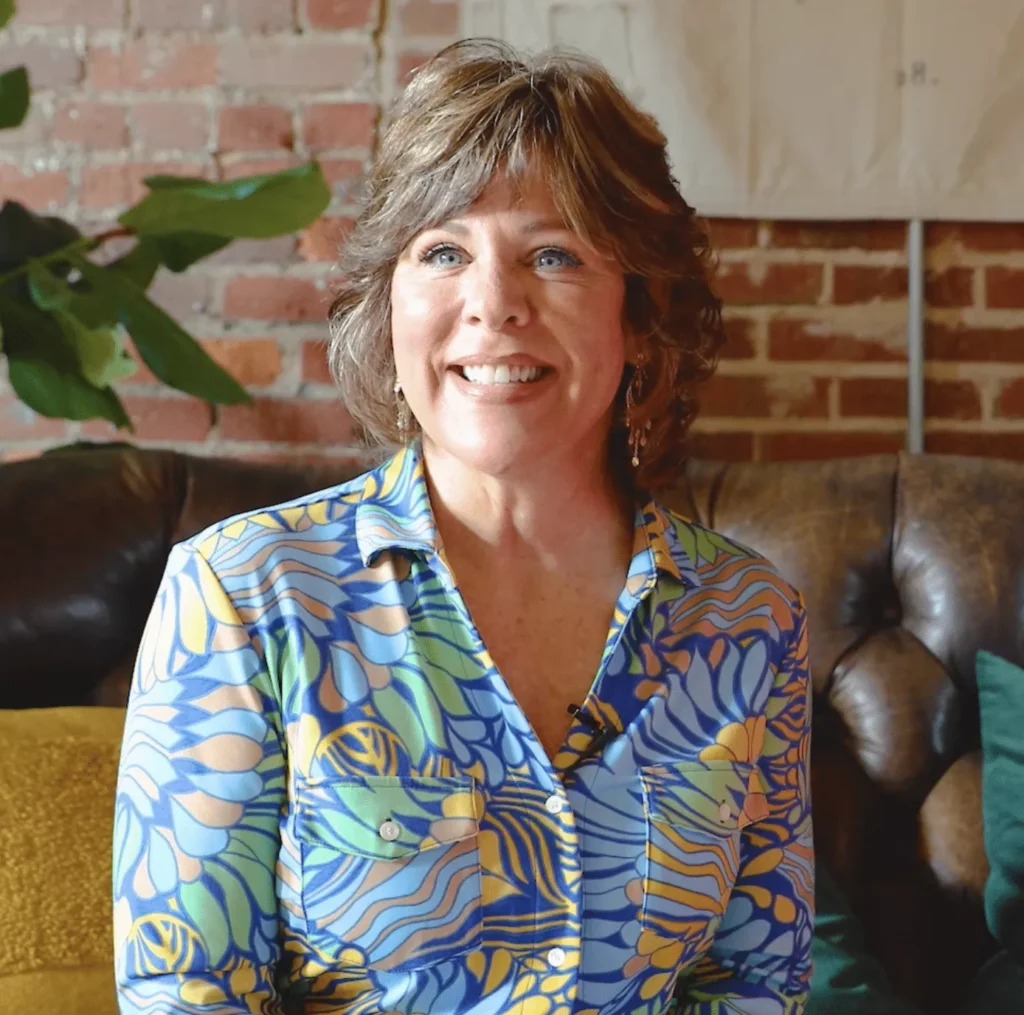
About Jane Gentry
Jane Gentry is a strategic operating model advisor and former CEO of two PE-backed companies who helps mid-market CEOs redesign their companies when revenue grows faster than the business was built to run.
Rate, Review & Follow
Enjoying CEOs Unscripted? We’d love to hear your thoughts! Leaving a quick rating and review not only supports the show but also helps other leaders discover conversations that can elevate their business journey.
Don’t forget to follow the podcast, too! With more insightful episodes and unfiltered conversations on the way, you won’t want to miss what’s next.

CEOs Unscripted
Where Real Talk Drives Real Growth And Delivers Real Results For Mid-market Leaders.
Welcome to CEOs Unscripted, the podcast where real talk drives real growth and delivers real results for mid-market leaders. Each episode offers an unfiltered, behind-the-scenes look at the wins, the losses, and the playbooks shared by CEOs, founders, and executives. Grab a seat and join us for unscripted, honest conversations about what it takes to lead, grow, and scale in today’s business landscape.