What You’ll Learn
- The Remote Leadership Framework – How to build culture, maintain communication, and drive performance with 500 employees in another country
- Scaling Without Implosion – The systems, frameworks, and leadership principles that enabled 4.5 years of hypergrowth
- The Onboarding Advantage – Why most companies fail at onboarding and Brad’s 90-day playbook that actually works
- Level 5 Leadership in Action – Practical applications of Jim Collins’ principles for mid-market CEOs
Key Takeaways for Mid-Market CEOs
- ✅ The EOS framework combined with the Four Disciplines of Execution creates accountability and clarity
- ✅ Recognition matters more than you think—Brad spends 10–15 hours each month writing personal welcome messages
- ✅ A simple 2-question exercise reveals your biggest business constraints in a single survey
- ✅ Why onboarding takes 90 days (not 2 weeks) and how to structure it for success
- ✅ Ferrari intensity doesn’t work with cargo ship reality—how to manage expectations during hypergrowth
Whether you’re managing remote teams, scaling rapidly, or struggling with onboarding, this episode delivers battle-tested frameworks from a CEO who grew 500 employees across the world during a pandemic.
Key Timestamps
- 00:00 – Introduction: Brad Stevens & Outsource Access
- 02:15 – The Entrepreneurial Origin Story: Third Grade Micro Machines Business
- 05:30 – Wharton to Unemployment: The $20K Signing Bonus Plot Twist
- 08:45 – First Company: Patient Assistance Programs for Seniors
- 11:20 – The Nutritional Supplements Journey
- 13:40 – Teeth Whitening Product Fiasco: 10,000 Units, 18 Countries
- 16:25 – Discovering Outsourcing & Launching Outsource Access (2019)
- 19:10 – Growing to 500 Employees in 4.5 Years Across 85 Industries
- 22:30 – Launching Right Before COVID: Building Remote Culture from Day One
- 25:45 – EOS Framework: The System That Prevented Implosion
- 28:20 – Jim Collins’ Level 5 Leadership in Practice
- 30:50 – Writing Personal Welcome Messages to Every New Hire
- 33:15 – Virtual Leadership: Intentional Communication & Cadence
- 36:40 – The Five Chronological Steps Framework
- 39:20 – Building Culture Remotely: Virtual Success Magazine & UN Goals
- 42:10 – Employee Engagement: Recognition, Purpose, and Autonomy
- 44:50 – “What Got You Here Won’t Get You There”: Scaling Challenges
- 47:30 – Ferrari Intensity vs. Cargo Ship Reality
- 50:15 – The 2-Question Exercise That Reveals Business Constraints
- 52:40 – The 90-Day Onboarding Process & Playbook Creation
- 55:20 – Rapid Fire: Reading List, Early Lessons & Advice
- 57:30 – Closing Thoughts
Resources Mentioned
Books & Frameworks
- Good to Great – Jim Collins
- Built to Last – Jim Collins
- The Four Disciplines of Execution – Stephen R. Covey
- The 21 Irrefutable Laws of Leadership – John C. Maxwell
- Who Not How – Dan Sullivan
- The Four-Hour Workweek – Tim Ferriss
- Predictable Success – Les McKeown
Content & Programs
- Alex Hormozi – Content and Programs
ABOUT THE GUEST:
Brad Stevens is the founder and CEO of Outsource Access, a company that helps small to medium-sized businesses integrate talented offshore staff from the Philippines to drive scale and profitability. Since launching in 2019, Brad has grown the company to 500 employees across 85 different industries, building a distributed workforce model before the pandemic made it necessary.
A Wharton graduate and serial entrepreneur for 25 years, Brad has built and sold companies in pharmaceuticals, nutritional supplements, teeth whitening products, and now outsourcing. He’s a 14-year member of EO (Entrepreneurs’ Organization) and served as President of EO Atlanta. Brad is passionate about level 5 leadership, systematic onboarding, and proving that remote teams can build exceptional culture and deliver outstanding results.
Read the full transcript
Transcript of the episode, lightly cleaned up.
Brad Stevens: A disaster ended up being a silver lining of learning this industry. I was able to kind of save that business. We sold it. Probably one the most valuable hard skills I took from college was learning how to build financial models and how to look at the economics and do proper forecasting and understanding between fixed and bearable costs and all that kind of stuff. We grew to about 500 employees in about four and a half years. Wow. 60 year business in 85 different industries. One of the biggest things I think that helped us stay glued is that it was about doing it for something bigger than ourselves, myself included, and trying to look at the big picture, the impact that we were having. Everybody had to come up with five chronological steps to hit their quarterly target, right? Fundamentally, they just want to be recognized that somebody knows that they exist. And then secondly, they want to be a part of something bigger than themselves. Problem cannot be solved by the level of awareness that created the problem.
Jane Gentry: Could do what you should do, or not do the same.
Brad Stevens: End of day, you never give people that sense of ownership to be able to go and either succeed or fail, you’re never gonna find out if they’re the right fit or not.
Jane Gentry: Welcome to CEOs Unscripted, the podcast where real talk drives real growth and delivers real results for mid-market leaders like you. I’m your host, Jane Gentry, and each week we’re pulling back the curtain on the unfiltered stories of CEOs, founders, and executives who face the highs and lows and everything in between. After 20 years of consulting in enterprise, and then experiencing firsthand the reality of being a CEO in a mid-sized company, I discovered why they say it’s loneliest at the top. For most mid-market CEOs, there’s no handbook. You learn through trial and error or by reaching outside your organization for help. That’s exactly why I created CEOs Unscripted, a bi-weekly podcast by mid-market CEOs for mid-market CEOs. Each episode offers an unfiltered, behind-the-scenes look at the wins, the losses, and the playbooks shared by CEOs and founders who’ve been where you are. No fluff, no jargon, just unscripted, honest conversations about what it takes to lead, grow, and scale in today’s business landscape. If you’re ready for candid conversations, real-world insights, and lessons from leaders who’ve walked the path, you’re in the right place. So grab a seat at the table because it’s time to get real. This is CEOs Unscripted. Welcome to CEOs Unscripted. Today we have Brad Stevens with Outsource Access. Brad, so good to have you here today. I’m grateful for you.
Brad Stevens: Sam, you Jane, appreciate it. Getting the message out there and sharing these narratives and stories from the CEO side of the fence. And hopefully it’ll be helpful for everybody listening today.
Jane Gentry: Yeah, lonely, lonely job. I know from personal experience, but I know people are excited to hear your story. Where we start, Brad, always is I just asked for your, what’s your backstory? Where did you, where’d you come from? How did you get to where you are? And I usually say to folks, don’t give me the stuff I can see on LinkedIn. Give me, give me the juicy stuff.
Brad Stevens: You Sure. Well, everybody’s got their journeys. For me, in Atlanta, Georgia here. That’s kind where I grew up and all my family is from Atlanta and surrounding areas, going back several generations actually. So kind of grew up in the South a bit. And I grew up in one of those families that was very kind of entrepreneurial in nature. And I shook around, had a white board like hanging above the fireplace growing up. There was always ideas flowing and… So it was very thriving kind of environment around that. I knew I’d probably go down that path. So I ended up, know, my first, first, my, has their lemonade story, lemonade stand story. And so mine was actually in third grade, I rented a micro machines, little tiny toys that everybody may remember back in the day, the guy that spoke really, really fast on commercials. Were tunnel tiny little toys. And my dad would drive me to school every morning and I was always asking him about business and he, you know, share and what have you. I decided that’s what I wanted to do for my first little venture. So I had like 600 micro machines that I carried in and crown royal bags into my little Christian third grade school. And I rented them to my friends and colleagues. And I saw this folder today, it’s, know, I had made a paper credit card for myself and I had a typewriter newsletter. So I got some 1989 at the top of it, but that was my, uh, I was my first little entrepreneurial kind of venture. And I started a tutoring company in high school and I knew I was going to kind of get on that path and got amazing family, got two little sisters that were a big part of my journey, you know, kind of growing up about three years apart. And yeah, after high school, decided in college, you know, my path was going to be and I’d probably do the entrepreneurial path. And so I ended up going up north to school and graduated, went to actually Warden School University of Pennsylvania and came back and was going to start working for a company in Atlanta in the investment banking field. Was going come back here and make good kind of investment banking money, like 2002, living in Atlanta, got a single apartment with another single guy, we’re gonna live and have a great experience in our first careers right after college. And two weeks before I was supposed to start, the company I was gonna work for shut down. And so that was kind of a false start at the beginning of my journey there. But hey, I always joke around, I got three months severance pay and I got to keep my signing bonus and never worked a day for the company. I had like 20 grand in my pocket and I was 21 years old. Yeah. You’ll find the next failing, you know, failing company and go cash in. But, but that was a proverbial, you know, fork in the road for me. Had some opportunities to go work with some other companies. I some other offers on the table I could have taken, but, but I had an opportunity, actually from a great uncle of mine to go down the entrepreneurial path. And so I tucked my tail and gave up on the apartment downtown Buckhead and moved back in with my parents. And, started my first company with my great uncle. What was that? So we helped low income people. So he was a physician and he was down in Alabama. So we helped. There’s these patient assistance programs and they exist now, but they were really difficult where drug companies would provide free medication for seniors, but you had to apply for them, do a lot of paperwork. The doctors had to do a bunch of paperwork. Were difficult a lot of times. And so basically we’re streamlining that process to make it very easy for seniors to get free medications from drug companies by launching walk-in facilities to help them do all the paperwork and process it all. And then if we couldn’t get free medications, we had a mail order pharmacy relationship that we could get substantial discounts. So we had a call center, literally had my mom, my grandmother, my aunt, like in a tiny little 10 by five room, answering phones and. We kept writing to the newspapers to try and get free PR because we didn’t have a whole lot of money. And fortunately, we made it on the cover of the Atlanta Journal-Constitution one day, big, publication here in Atlanta. And we got like 300 calls a day for like two weeks, you know, because of the stories of the impact we were having. And so, so was back and forth between here in Alabama, where my partner was on the walk-in locations and then the mail order side of things. So was a interesting first venture. Know, my first business partner experience and, you know, building, you know, an operation that was kind of international nature. Have partners in Canada that we worked with. But yeah, that was my first kickoff. And that’s all I’ve done for the last 25 years, built and grown companies in different industries.
Jane Gentry: So is that, does that company still exist?
Brad Stevens: Now we, and again, realized my first partner adventure, even though was kind of family, but we ended up kind of parting ways. He kind of took the walk-in facilities. I got the mail order business. And then when the prescription drug bill came in 2016, it dramatically reduced the rates. It kind of reduced the value that we could kind of provide for patients on the dispensals.
Jane Gentry: So where’d you go from there?
Brad Stevens: So after that, I really liked the recurring revenue nature of the pharmaceutical business and so ended up finding a guy here in Atlanta and we ended up starting a nutritional products based company where we did custom formulations to build nutritional supplements. And then we paired it with meal planning software and metabolic testing equipment to provide this whole health and wellness solution that we sold to the medical and the beauty community. In that business, I got to learn what it was like to create products from scratch and create formulations and get FDA approved labels built and supply chain and build a sales organization sold to the beauty industry.
Jane Gentry: So you have, I mean, you have a degree, Brad, but you’ve really learned business from doing it.
Brad Stevens: That’s pretty much where most of it all happens. I went to a great school and I will say the number one thing that I took with me, hard skill wise with accounting, being able to know the financials and numbers. Mean, a lot of entrepreneurs and so forth kind of fall in love with their own ideas and don’t really kind of put a pencil and get clear with the economics. So I think that’s probably one of the most valuable hard skills I took from college was learning how to build financial models and how to look at the economics and do proper forecasting and understand between fixed and variable costs and all that kind of stuff to
Jane Gentry: Yeah
Brad Stevens: Really know the economics of business models, you know, kind of early on. But yeah, lot of it is the old hard knock school of just getting out there and figuring things out as you go and continuing to move the peg around and see what drops.
Jane Gentry: Tell us about where you are today.
Brad Stevens: So today, various businesses in the past kind of up leading to my last company, we manufactured and distributed teeth whitening products globally. Made a picture of what? Teeth whitening products. Teeth whitening Yeah, for the dental and the beauty industry. And that was kind of a parlay from being in the beauty industry with our company prior to that. But learn it again. Global supply chain manufacturing kind of all over the world and learning how to deal with supply chain and manufacturing. And we had a product fiasco happen with one of our manufacturers change one of the components on one of our teeth whitening pin products that we sold to the dental and the beauty industry. And it caused a massive malfunction for about 10,000 units we sent to about 18 countries globally. And cash got tight, things got lean. And I had heard about this whole offshoring outsourcing world. I’d read Tim Ferriss’ four-hour work week like a lot of people had read. And it became real for me. I had to save dollars, make things be efficient. And so I dug in and learned the whole global workforce, where to find people, how to integrate them into my business, get things done fast and low cost. And so that disaster ended up being a silver lining of learning this industry. I was able to kind of save that business. We sold it. And that’s what inspired launching Outsource Access. I wanted to kind of take the same experience I did, not as like a call center for big fortune 500, but truly small to medium businesses, how to understand and integrate talented offshore staff and specifically the Philippines into their business and work side by side to drive scale and profitability. So 2019 launched Outsource Access. Prior to that, I a lot of consulting, a lot of global speaking and educating, being a big advocate. And yeah, we grew to about 500 employees in about four and half years. Wow. We’re in our sixth year of business and 85 different industries later and everything under the sun we’ve done for small to medium businesses have a chance to see a big cross section of impact out there.
Jane Gentry: Yeah, that’s a lot of growth in such a small period of time. Growth and that because we see a lot of people implode in a scenario like that.
Brad Stevens: Well, I mean, it was certainly the largest operation I’d kind of built and on top of that being on the other side of the world and also having launched in 2019 right before the pandemic. So I couldn’t even physically go to the Philippines for three years. And so I had to rely a lot on virtual and how to build our teams and culture and infrastructure. And there was a whole lot to it. It was… Going through the journey of, and to be honest, actually right before COVID hit, I was about to sign on an office space for about 150 people to go the traditional route of like putting everyone in a physical building in the Philippines. And I’m a part of a EO, Entrepreneurs Organization and YPO as well. Been an EO now close to 14, 15 years and EO for two years, or YPO for two years. And I was meeting with my forum and I was like, Hey, is this COVID thing real? Should I sign on this office space or not? And unfortunately they advised me not to. And so it forced us to build a distributed culture. And an organization where lot of other companies in the Philippines were struggling, we kind of did it out of the gates. But as far as navigating that, having a system and framework, so we use EOS, optional operating system. I hired an implementer who actually had to do it virtually with us for three years, but having a framework and a system, and whether you’re scaling up or EOS or any of the platforms out there, just having a framework, that was huge for us. And honestly, I went back to… Old Jim Collins principles and because of our EOS implementer, she made us reread good to great. And I kind of rolled my eyes a little bit initially. I was like, Jim Collins, like, let me talk about Circuit City and all this. But reading that through the lens of being the president of EO Atlanta during that time and growing this company, I realized how timeless a lot of those principles were in terms of how to build the infrastructure. Anybody knows Jim Collins, one of his major things is level five leadership, right? And One of the biggest things I think that helped us stay glued is that it was about doing it for something bigger than ourselves, myself included, and trying to look at the big picture of the impact that we were having and trying to bring as much humility as we could to the leadership role, really staying connected to our frontline staff. I would spend 10, 15 hours a month writing welcome messages to every individual virtual assistant. We were hiring 30 to 40 people a month. Some of the best time I could spend to show people that we were connected and supporting them. And this is a bigger mission as a company than just putting profit to bottom line.
Jane Gentry: Yeah, so one of the things that I’ve said to people is that COVID illuminated something that I had felt, but it was hard to see it until COVID hit, which was a real lack of leadership in the mid-level of businesses. And what I mean by that is when your staff went virtual, You have to be an intentional leader. Can’t just bebop into their cubicle and say, Hey Brad, what you got going on? Right. And coach over their shoulder. You have to have a strategy. You have to have a cadence for coaching. With 500 employees that are in a different country, you must have a, a specific way or a cadence of leading those people. So there are two things I’d like to explore with that. Because we hit this topic a lot. Is, what is that? How do you do that leadership virtually like that? And the second is, how do you maintain, build and maintain the culture that you want when your entire staff is in a different country? So let’s start with the leadership one.
Brad Stevens: So as far as maintaining a leadership culture and communication, I yeah, I mean, was, I mean, everybody was having to deal with virtual, you know, at that point. But we tried to be super intentional about trying to keep everyone as connected as, you know, as we could. And honestly, mean, having the EOS type of framework and having the consistency and cadence of our meetings, I mean, having our level 10 meetings every single week, having a framework in place. That we were all pulling up in front of us. Everybody knew kind what the rocks that they were focusing on, know, were the leading indicators that they need to execute. And that was a key element. So I can’t say enough, you know, about a framework, whether it’s any of those scaling up or Bloom Growth or EOS, that was a key cadence, because it forces you to get clear with one another about what your vision is, what your mission is. What everybody needs to be doing and what they need to be focusing on. And that’s a lot of times what happens in companies that things get scattered and people are having meetings for the sake of meetings and it lacks intentionality. And, you know, that forced us to get together. I mean, even though it’s virtually, I mean, for seven, eight hours every quarter to pause and say, what have we accomplished? What have we executed? What were our numbers and metrics? Now let’s regroup and say, OK, what are the things we really need to do to move the needle in the next quarter? And really break those out. I tell you a key thing I did, and I ended up blending some frameworks and I kind of brought in some four disciplines of execution from Stephen Covey as well, which
Jane Gentry: Yep, I love that.
Brad Stevens: Is we created, when people kind of created their milestones or things that they were focusing on, everybody had to come up with five chronological steps to hit their quarterly target, right? People couldn’t come up with their own version. Everybody had to come up with five. And by making people think through at the moment, because a lot of times, you’re beginning the quarter and like, okay, Jane, what’s going be your goal? We’re going to launch 50 new locations in the XYZ sector. Okay, great. Then you get started and you either way undershoot or way overshoot because you haven’t thought through it. So when people had to establish their quarterly rocks, Everybody had to come up and think through at that time, what are the five steps that you’re going to take to make that happen? So it’s fully realized and by doing so people would really realize how they kind of oversubscribed or kind of sandbagged a bit on some of those functions. Um, to kind of make sure that people were hitting their targets. Cause a lot of times what’s lacking in leadership is, is just clarity and where we’re going and why. And myself, like I’m, I still don’t always hit that out of the park for sure. It’s definitely struggled that sometimes there would be an 85 industries and that’s kind of figuring our path ahead. But having that cadence of consistent meetings and everybody knew where we were going and weekly reporting on where you were and everybody knew where it was, the KPIs, the metrics, the scorecards, was a key element from a performance standpoint. And then on the soft side, would say writing those frontline welcome messages. Mean, every single new VA that would join us, they’ve never in their lives gotten a message from the CEO before. I’m here welcoming them. And they would just write a novel about like how thankful they were and how appreciative. So in a place where we were disconnected, that was trying to put in place that Jim Collins level five, right? You know, I’m here for something bigger than just, you know, what you can drop to the bottom line and made a big impact.
Jane Gentry: I remember somebody, I might get this wrong, but when I worked with Home Depot for many years, I remember somebody saying that, I think it was Bernie Marcus, the first 30 minutes of his day in his office was writing thank you notes to people every single day. And they said, I learned that from him. You know, when we talked to leaders about leadership and inspirational leadership, that We call it affirmation, right? How are you affirming people? How are you affirming what you want from them in the organization? And those kinds of things are so powerful.
Brad Stevens: Well, just, mean, people fundamentally, you know, aside from the table stakes of good compensation and benefits and so on and so forth, right? It’s just fundamentally, they just want to be recognized that somebody knows that they exist. And then secondly, they want to be a part of something, you know, bigger than themselves. And it’s funny you mentioned that it’s actually there’s an article and I’m sure Bernie did as well, but Frank Blake, you know, in the big kind of turnaround with Home Depot, that’s one of the things he attributed was writing a hundred handwritten letters to front line.
Jane Gentry: Frank, I might have given Bernie credit for Frank’s for Frank’s activity. Yeah.
Brad Stevens: I know a lot of have done and it may have been a part of the culture, you know, it’s people just knowing that they are recognized and we took it to another level. I mean, we actually create our own company magazine in the Philippines called Virtual Success and we do a whole photo shoot and it’s nothing but celebrating our own employees. It’s a whole magazine full of our own employees and showcasing them and who they are and their journeys and their families. And I got a chance to speak at the United Nations headquarters. Right before COVID and learned about the sustainable development goals. So every quarter we survey our employees and we do huge give back initiatives in their communities that they vote on, not me and my passion projects, but tell me what you care most about. And whether they vote on life on land or zero hunger, we fund and do major initiatives that our employees kind of participate in. So.
Jane Gentry: Yeah. So I won’t ask you for the number, but I’ll say on a scale of one to five, what’s your turnover look like?
Brad Stevens: Well, I mean, it goes in different seasons, right? Mean, in terms of like, you where you are in the phase of the business and as you’re kind of transitioning. You know, we had higher turnover in the beginning, right? Just the nature of figuring ourselves out and our growth path. And even though we were building as much culture and stuff in as we could, right, we were still competing with a lot of different companies that were hiring, you know, kind of virtually and what have you. We’ve gotten to where, I mean, we’ve got a very, not, when we talk about turnover, there’s all kinds of different formulas of how people kind of measure it, right?
Jane Gentry: Or so. Turnover from dissatisfaction, is probably pretty low.
Brad Stevens: Yeah, I mean, we’re, you know, when you look at our employees, you look at how we showcase and, and part of that is we try to have that conversation right up front when we bring people on to come work for us, you know, and in our business, people can go, you know, in these different countries go on these gig economy platforms, whether it’s Fiverr, Upwork, and what have you. And we encourage like, hey, that’s a career path. But if you want to come work for us, this is what we’re providing. This is the career path we provide. You know, we hire full time employees, so we pay their health insurance, we pay their benefits, we take care of them and their families and career path and direction. To sure that people are wanting to pursue that long-term and appreciate what our model’s about. It helps proactively.
Jane Gentry: Yeah, always say to leaders, your employees want to know where we’re going. Like, what’s the vision that I’m a part of? Right? What’s great going to look like? And they want to know their part in that. And they want to have some autonomy in how they do their part. Does that make sense? Totally. Yeah.
Brad Stevens: Yeah, they want to have a sense of ownership and people just want to feel a sense of completion, right? That they’re contributing something and know that they’ve completed it. And it’s been a contributing factor to where the organization is going. You know, and I’ll be honest, that’s been a big challenge that, you know, as we grew so fast and talk about leadership lessons, know this is the whole phrase of, what got you here won’t get you there. We all know that cliche phrase all day long. But I’ve yet to find a well-written detailed book or framework. And actually, I’ve been keeping a deep diary over my journey over the last six years. I the rapid growth that we’ve had. But as leaders, we’ve always heard, you the people or the process of the guy you hear won’t get you there. But methodically, how you start looking for those early signs, when you start needing to start making the transition, what are the places of ceiling that you hit? How much time do you give people to raise their lid? I mean, back to John Maxwell, 21 year refutable laws leadership, I send a version of that to every new employee that comes on board. The law of the lid is number one.
Jane Gentry: You don’t read much do you?
Brad Stevens: That’s
Jane Gentry: You’re naming all these books on my bookshelf behind me and cracking me up
Brad Stevens: Now it’s well, it’s it and being a part of EO and YPO is part of what’s helped really imbue a lot of that in me is in terms of content and we read content together, you know, as well. It’s yeah, I’m not constantly know what I don’t know. Right. And back to again, just trying to live and breathe that, you know, Jim Collins, you know, level five leadership piece and a quick fun fact for anybody that’s a Jim Collins person, if anybody doesn’t know one of the biggest things I discovered about him, if you go to Jim Collins dot com and you go to his website and you click on concepts. He has taken all his principles from all of his books that he’s written, I think seven now total, and he’s put them into this tight, consolidated framework called the map, with disciplined people, disciplined thought, disciplined action, and it’s all tight in this one framework, and there’s a 20 minute video where he explains it. So basically in the 20 minute video, in this map, he takes 40, 50 years worth of work and boils it down to a very tight, tight framework. So I encourage everybody here to go.
Jane Gentry: I’ll be checking that out.
Brad Stevens: Go explore that. And the thing I love about it is it’s timeless stuff that’s going to be applicable, whether it’s the hedgehog concept, whether it’s bullets before cannonballs, whether it’s 20 mile march, it’s clock making versus time telling. A lot of the frameworks that he shared are very timeless.
Jane Gentry: Yeah, yeah. So one of the things that we say to our clients as they have this kind of growth that you’ve had, Brad, is you have to learn to think differently, right? You can’t lead at $60 million the way you led at $10 million, right? So as the company grows, you have to change the way you think the way you approach things, right? We use strategy as a as an example, right? So we’ll say, initially, people usually use budget to strategize, then they start to use objectives. And we want you to use assumptions, right? That’s when you’re a change entry level five leader, right? Is you’re managing assumptions, you’re building strategy around assumptions. How have you changed? Do you think as a leader as you’ve had this explosive growth?
Brad Stevens: Yeah, it’s definitely been a morphing for me. Know, I’ve again back to being my EO and YPO forums that I meet with, you know, a group of other fellow leaders, you know, for four hours, both of those groups every month, close to 800 hours over the years is constantly looking up to those that have larger organizations that have been there and to share with me with their journeys and where they hit ceilings and where they hit limitations. To your point, the old Einstein quote, a problem cannot be solved by the level of awareness that created the problem. I just got back actually from this alumni program called the Entrepreneurial Master’s Program I do up at MIT in the Cod House with about 60 other business owners from 20 different countries and an amazing speaker, John Sine, give him a huge shout out. If anybody’s looking for a great person to follow. John Sine, S-A-N-E-I.
Jane Gentry: Yeah, yeah. We that last name for case.
Brad Stevens: But he started off and he’s one of the top five futurists, but he’s not like crazy woo. He’s super practical in terms of looking where we’re heading, but he kicked off the whole thing, right? Around that level of awareness. You can’t be the same. And so for me, it’s just been tremendous, just constant introspection of trying to zoom back out, right? And the forest for the trees and big picture kind of see where we’re heading, where the trends are. And trying to put in practice when I speak on outsourcing and BAs always talk about the 85 % rule, right? It’s like, look, if they can get 85, 90 % of the way I would get it done and I’m not doing it, then I got to be okay with that, right? And so part of my growth journey has been, you know, bringing in staff, leveling up the leadership team and really being willing to invest in the next level of leaders and honestly doing it sooner than later a lot of times, right? And everybody always talks about knowing Back to my point earlier is one of those early signals, how much time do you give people have clear expectations about what you need to do to get to the next level? If we don’t get there, then when that transition is. But I think for me overall, it’s just been constantly stepping back and saying big picture, where are we heading and where are all my people heading and where are people hitting different lids? And how to identify that and what’s the path I create to a different place in the company? Or is it transitioning to a different, you know, different company entirely? And honestly, Jatch GPT has been a huge one for me. I’ve been, I mean, I’ve taken a, I’ve taken Jatch GPT and created a whole personal Brad, like, coach and psychologist. And I’ve literally uploaded every single assessment that I’ve done. Disk, Predictive Index, Culture Index, Enneagram. I’ve uploaded my lifelines that I’ve done for EO. Have to share your entire life journey. I’ve uploaded all my updates that I’ve done, personal, business and family for the last 15 years, and just ask deep questions of like, where are my blind spots that I need to be aware of, of where I’m going to stumble and fail, and try to be aware of those and where to get out of the way.
Jane Gentry: Yeah, yeah. I know somebody else that created a coach for themselves on might have been Chad GPT, but it was on AI.
Brad Stevens: Yeah, it’s like a deep, and there’s a prompt that we asked the other day is like, you know, what, do I need to know that I don’t necessarily want to hear based on my brain and psyche or something or whatever that we did as a group within my forum. And it’s, it was pretty profound what comes back because
Jane Gentry: Yet. That’s something that you’d be willing to share with people?
Brad Stevens: Yeah, I don’t have it in front of me, but it was, was in essence, I mean, when you look at my culture index and my predictive index, right, it’s part of, not different from many other entrepreneurs that are kind of in the ADHD realm, but zero patience, right? Very, very, very low patience. And so it’s, having the patience to be able to take the time for the ship to move in its right direction. And so when you’re a small organization, you’re so used to being able to pull this lever and then boom, you’re at the left and like, okay, then pull this lever and boom, we’re to the right. But as the organization gets larger, and not to mention another book, but there’s another one called Predictable Success that Les McCune wrote, and he talks about the four stages of business growth. And the way he describes whitewater, which is the turbulence you get in, in that transition is where decision-making becomes disconnected in the organization. And what used to be a straight line from here to here now goes through this and this. And it’s like this bad game of telephone in the organization. And so there’s lots more nodes on the network and things get decentralized and you know, things don’t happen as quickly and you want them to happen. So I was operating with Ferrari intensity, but realizing the larger organization of how long it really takes for a large organization with 80, 90 managers to like shift It doesn’t happen in a week or two weeks or three weeks, but sometimes it can take months, right? And you had to prepare yourself for that in terms of timeline and financially. Mean, I just did kind of a, you know, a restructure of a lot of our leadership team. Was 12 to 18 months, Jane, right? By the time you identify it has to be done. Then make the transitions, hire the people. If you’re hiring somebody that’s good, they probably have another job and they’ve got to get their notice so that they can then come in. And once they come in, they inherit a team and they got to have time to inherit who do they like or who they don’t like. If they want to get rid of some people on their team that they inherited, then they got to go hire those people. And that takes time. You got it all up. And you’ve heard this story a number of times, right? Yeah. And underestimate the journey to truly get a large organization heading in the right path.
Jane Gentry: I like what you’re talking about that we call it decision velocity in our business. We find that the decision matrix in organizations get really mucky, like what you were describing. Interestingly enough, we find that a lot of times the biggest issue to that is the CEO. Is the CEO kind of getting out of the way? Once that decision hierarchy has really been determined, get out of the way and let it happen. I think you and I are really similar. I was on with my marketing lead today and I moved pretty quickly. If something’s not going to work, I make a decision pretty quickly to move on to the next thing. And everybody can’t move that quickly. And so I realized a similar thing to you, which is, man, I’d moved on and she was still back there trying to figure out what the hell just happened. I didn’t bring her with, you know? So I completely get what you’re talking about because I am that way as well. I move very fast, much faster than most people.
Brad Stevens: Yeah, there’s this great visual that’s like, climbing the mountain, right? And then you’ve got all your backpack on and everything else and people behind you still trying to tie their shoes and they’re still trying to get the map and so forth. And it’s not really necessarily… And look, society requires a stratification of skills to be successful, right? Mean, if we were all nut job, intense entrepreneurs like ourselves, that wouldn’t work. So it takes a blend and it does take that team and understanding. It’s one of the biggest things I’ve learned is just it’s a… Upon me to provide piercing clarity. Love, mean, again, Jim Collins phrase that he just, you know, the hedgehog concept is not an understanding of what you can be, right? It’s true deep clarity, piercing clarity of what you can be the best of the world at and why. And that’s one of the biggest challenges in my business is that Because of nature of what we do with incredibly talented staff in the Philippines and all these 85 industries, and we’re doing all functions for these businesses. I mean, we’re doing marketing and operations and customer service and finance and so forth because of the quick ability for our teams to learn and so forth. But it’s left us in a lot of different directions. So, you know, I’ve been trying deeply over the last year to really audit and say, where do we want to go deep as an organization? Right. Because that makes everybody’s life easier in my company when they know how to recruit for talent for certain types of skills. How we’re marketing and selling, going down certain industries. But it’s been a challenge because you can make a case for know, personal injury law firms that we have a big group in. And then we’ve also got a lot of people in the home services space. And then we got to try to figure out that path.
Jane Gentry: It’s that clarity between what we could do and what we should do. That’s right. You take so many things on. That’s challenge of entrepreneurs, right? We want to be everything to everybody, right? So narrowing that scope to say, is what we have to offer. This is who we are. And what do you say no to? One of my partners, Patilock, we had a post on LinkedIn today.
Brad Stevens: It’s just not.
Jane Gentry: For anybody that wants to go back, it’s June 30th. And he’s talking about one of the things in his new book, which is, you know, the things that you decide to do, but what are the things you don’t, you decide to not do. And, I said, yeah, I’m a big fan of the to don’t list. I always say to people, what are you going to put on the to don’t list? So.
Brad Stevens: Tough list to populate. It’s a, you know, I wonder why I mean, part of is the stimulation and endorphin hits that, you know, entrepreneurs and again, tend to be sort of in the, the 80 ad ADHD kind of category where there’s, and again, at this EMP conference, there’s got him, Ned Hollowell, which is probably the godfather of ADHD, you know, he spoke to 60 of us, and he’s written 24 books on it. And it’s like, all that we know is now, or not now, right? A lot of times, there’s not sort of an in between in terms of timing. And so, you know, trying to figure out which paths to take and why. But a lot of it’s rooted sometimes in fear, diversification keeps you distributed, right? When kind of that rainy day comes, you’re in a bunch of different places, but it’s having enough empirical evidence, but also just some gut to say, you know what? We gotta put the chips on black and we gotta go deep in that space and hoping to make the right path.
Jane Gentry: Be great at what you’re great at. Know your superpower and dig in. I just see that all the time. We try to be everything. I’m guilty of it myself. Mean, you know, every time we want re redo the website, I’m like, we could do this. We could, but it, you know, what you could do, what you should do are not the, not the same list, right?
Brad Stevens: Yeah. And it’s just, it’s scary to just like, Hey, you know what? I’m to say no intentionally to X, Y, and Z so I can go deep in this space. And you got to have the budget and you got to have the patience to just keep turning the crank, right. And just act, you know, the 20 mile march of just get a wake up consistently march down this path. Because human beings just aren’t built to be multitaskers, right. And when we take our people and organization down those different paths, you know, the organization can be reflective of it. So it’s. Not that you can’t go down several different industries and you got a lot of companies have been very successful in doing so, but you got to have silos of leadership that truly so they can wake up all day every day and have a team focused on nothing but going and getting 200 more personal injury law firms on board all day every day. That’s they eat, sleep and breathe, right? Yeah. But to the extent you’ve got a small organization that’s trying to have different conversations with different people all the time, they can never get really, really good at one of those.
Jane Gentry: What are you doing to develop these leaders that you see, these up and coming leaders?
Brad Stevens: Yeah, I mean, it starts off just trying to really assess and make sure that they’re a right fit for our culture and who we are as an organization and really stress test that. Our core values aren’t something that are on a piece of paper. Knows them. Gratitude, relationship-driven, every long quest for improvement, accountability, know, attention, accountability is a key element to it and teamwork.
Jane Gentry: What’s the stress test? Is there something specific?
Brad Stevens: And one of those is our core value of ever long quest for improvement. And that is a key element is people that are constantly curious and want to keep learning and growing and stagnancy, particularly now more than ever. Mean, AI, mean, you know, things are doubling every three days now in terms of competency and ability. But that’s one of the key elements that we look for. And so we’ve been a big fan of using, you know, there’s all kinds of different assessments out there, but we’re currently using predictive index, which is a phenomenal assessment tool for us that just There’s things that you can tell in the resume and from the interviews, but there’s a lot of things that neither of those tell you. And those assessments really help us understand who people are, kind of their DNA thumbprint. And so we tried to use those. Another one, CliftaStrengths, StrengthsFinders. Take a couple of blend of those to make sure we got the right people to begin with. And then work together to drive collaboration, engagement. And like we said, talked about earlier, right, is ultimately autonomy to run and execute, you know, with things. Sometimes it goes down the right path. Sometimes, you know, it doesn’t. But at end of the day, if you never give people that sense of ownership to be able to go and either succeed or fail, you know, you’re never going to find out if they’re the right fit or not.
Jane Gentry: Yeah, what’s next for your business?
Brad Stevens: So for us, we’ve nailed down a couple of key areas that we’re zeroing in on. And we got a chance to do a lot of work in the franchising industry in the last year, a bunch of national franchises and providing kind of support teams for franchisors and multi-unit owners. But really finding a lot of capacity in the home services space and doing a lot of back-end infrastructure in terms of routing and estimating and sales support and billing and just really being able to go deep in that space. AI isn’t going to replace somebody fixing your plumbing tomorrow. So it’s an industry that we think is recession proof. And also there’s a lot of value that we’re able to add on the back end. But we’re still open. Mean, we’re structuring. Clients come to us. We’re still having a model to accommodate it. But in terms of where we want to press the gas so we can build material growth in certain markets, those are a couple that we’re focused on and a couple of health care ones. But the next stage is really just now leveraging all this investment we’ve made over the last 12 to 18 months in new leadership. And we made a whole transition in technology to Google Enterprise now. And now we’re using HubSpot and all this infrastructure. We’ve spent a lot of time and dollars doing kind of investment at this base camp to prepare for that next ascent. And so it’s really just being able to squeeze all the juice out of all that effort. And I actually have another organization, company that I started. Called One-on-One Connection that co-founded actually with the guy back several years ago that it’s a connection program for member-based organizations. It’s private label for any member-based organizations that want to drive connectivity within their group, whether it’s a chamber of commerce or a membership-based organization. So we’ve been kind of offering it as a program. We’ve got about 40 organizations, about 50,000 connections globally for member-based organizations. A lot of them are struggling to drive value for their members a lot of times. And the value is the members themselves. You get to drive connectivity. So this drives collisions for member-based organizations and also for their sponsors and for conferences. So it’s another thing that we’re zeroing in on and really hiring somebody to kind of drive and lead and head that up in parallel.
Jane Gentry: One thing I wanted to get into with you, is the way you build process. So I had an experience with your sales organization and they were talking about the way that they train people to do the VAs, whatever service it is that you’re providing. And it’s pretty in depth. Mean, would you share about how you do that?
Brad Stevens: Yeah, I when
Jane Gentry: You have that workbook for the client, think and I’m reaching here but I’m
Brad Stevens: Yeah, no, it’s playbooks that we create. So it’s… Playbooks. I mean, we try to position ourselves as a growth partner for people that want to go down this journey of using offshore, whether it’s for a one virtual assistant or executive assistant or a team of 80 or 90 people, which we’ve had for clients, is they need someone to help them in that journey, right? They want to integrate, but how does this work? How do I integrate it with my existing people? What are they capable of? What’s the process and system? So, we try to kind of be a supportive resource from the beginning to help them go down that journey.
Jane Gentry: Yeah.
Brad Stevens: What leads to lot of the process is first of all, is helping people get clear on where their constraints are. And honestly, Jane, we do this two simple question exercise and every time they’re like, that sounds too simple, but I’m like, it works. As I say, literally copy and paste these two questions and send it to your managers. What are you doing that you don’t feel is the best use of your time? And then how many hours per month are you spending on it? And that’s the second part that a lot of people won’t do. And then secondly, from where you sit in the organization, what do you think we should be doing? That we aren’t doing due to time, money or knowledge constraints. And literally those two questions, and we got a huge multi-location pharmacy we work with and the CEO is like, really? I’m like, yep, send those two questions. Came back with over a hundred items that their managers identified, either things that they need to get off their plates, they could add more value or things that they think the company is missing the boat on that they should be doing. And from that, we unpack and create a whole runway of constraints of then how to integrate people in to take things off people’s plates. It creates a cultural lift as well, because now your high performing staff can focus on what is the best use of their time and they enjoy their jobs better. But then getting to things that aren’t, you know, aren’t getting done that could add value. So we use that to document playbooks from day one. And so once we create that runway, then it’s about finding the talent in the Philippines that can embrace and integrate that. Right. And so whether it’s accounting and bookkeeping or whether it’s finance or whether it’s, you HR, it will bring people with certain skills. But then we have a chief learning officer. Not many companies in my industry have a chief learning officer, and he’s in the Philippines, that builds an entire curriculum and training based on where that staff that we bring on. If there’s any gaps, we create a whole training curriculum. We have a whole boot camp, get them up to speed on it so that we can train our staff to come in. Mean, at end of the day, we’re looking for people that are fast learners, good communicators who can take feedback, but then equipping them with the proper training and then working side by side with the client. And we do weekly. For the first 90 days meeting with the client to make sure that their hands are on the wheel, our staff’s hands are on the wheel to be successful. And yeah, we create those playbooks where we’re documenting every single thing that we’re doing. So we have redundancy, right? So if our staff ever does need to part ways, you they have to give us 30 day notice, but we have everything in there. And then we’ll take on the responsibility of training those people and making sure they’re, you know, they’re up to speed. So it’s, you know, we’re in the process system business. And so we kind of practice what we preach.
Jane Gentry: Well, what I love about it is it’s you’re doing something that I think is one of the big misses in most organizations that I get into, which is onboarding. Most companies are horrible at onboarding. You know, they give you the computer, they sit you down with the HR person, but they really don’t onboard you into your role effectively. So what would be the like top three lessons you would give somebody about that, because I think you guys excel at that.
Brad Stevens: Appreciate it. It’s, again, if I was going to get into this industry and this business and put my name on it, right, I kind of took what I saw as failure points, you know, of other offshoring outsourcing companies and just companies in general, you know, and one of those is right, that onboarding and integration process. I think the first takeaway would be is just a spending a lot of time to measure 10 times and cut once on getting the right people in the organization, right, which goes without saying, but I think you would also agree a lot of companies, the other thing they fail at is They don’t do a lot of the proper pre-assessment to make sure that individual is going to be a right fit, aside from just the interviews and the resume assessment, but really make sure that they’re going to be a good fit. And using these external assessment tools, they’ve been invaluable for us, whether it’s predictive index or otherwise. So getting the right material, the right individuals is kind of coming in. For us, the other is really getting clear on where their skill gaps are. And so we do a lot of assessments with people that they have to take and figure out exactly What do they know or what don’t they know? If they say they can do accounting and bookkeeping, that can mean a trillion different things, right? We want to get crystal clear on where their gaps are, so that we know that we can fill those gaps, you very specifically. So clarity on where the gaps are, and then having top-notch training and well-organized training with testing and assessments to make sure that they actually know what they’re doing and how they’re doing it. Not just job shadowing or, go follow Susie around for the next, like that’s so fractured and unstructured. And it takes eight months to get someone where they could be in 30 to 60 days if you structure more intentionally. And I guess that’s the third point would just be really staying on top of it, not for the first week or two weeks or three weeks, but like when we onboard and integrate our staff or clients, mean, very granular 90 day process to make sure. That everybody’s hands are on the wheel, everybody feels confident. It doesn’t have to be long meetings, right? We have a weekly 30 minute meeting, just say, hey, is everything getting aligned? Things are being executed. And then after that, after the next 90 days, then it goes to kind of every two weeks, then kind of once a month, but just constantly staying in touch and making sure, right, are they skilled up and performing at the level? And then do we need to re-skill or add new skills? So we’re constantly cross-checking across the board.
Jane Gentry: Yeah, we get involved with a lot of, or I do specifically with a lot of sales parts of the sales part of the organization. And there’s an assessment that I use too, but I often say it takes six months to onboard a salesperson if you’re doing it right. So, you know, most companies, they give you the computer and they might give you those CRM, they give you your list and they go, Rats or Rock, you know, but I’m with you. It’s that. Training, coaching, testing, adjusting, right? Constantly checking to see where they are. And if you have somebody shadow a person, and I wouldn’t have them shadow a person doing their job, but you might, I had manufacturing company want their salesperson to go on site with somebody and see what happens. Tell that person that they’re going to be with. What is it you expect? Them to know or be able to do by the end of their meeting with you. What is your role in onboarding that person? Don’t just send them down there to hang with you. You’ve got to get really specific on what the purpose of all of these things are. I think you guys are just, you’re outstanding at onboarding and creating these playbooks so that everything is repetitive. Everything is documented. And you can train and coach the next person up to do to be exactly the same for the client.
Brad Stevens: I appreciate it. It’s something we put a lot of… And look, I things are evolving, especially now more than ever with all the AI’s tools and the technology and what have you. I mean, we’ve got to train all of our staff and GPT tools and different AI tools because it’s going to be the human plus the technology together. They’re going to kind of bring a lot of value, you know, kind of moving forward. But yeah, no, it’s got to be consistent and kind of just constantly staying ahead of the curve. To your point, you know, and… Absolutely agree. All the feedback I’ve seen about kind what you do on the sales training side and even offered a session with my team and just hearing your feedback that you gave was fantastic, even with our sales process and trying to further refine. And we had some new leaders that were coming on board, so was kind of good timing. But one of the biggest things in sales is just people not knowing the product knowledge at a deep level. Before you can focus on soft skills a lot of times, you just got to know your product in and out. And that’s one thing that tried to always do in our prior companies is just, they’ve got to take it a product assessment test. Until you can score 100 % and you know all of our product in and out, there’s no way you can focus on the soft skills of navigating and looking for those cues and so forth, especially when it’s over Zoom in that process. So, I love the intentionality and depth that you put into the training and the sales process because it’s definitely a journey for sure. Yeah.
Jane Gentry: So what I usually do at the end of these Brad is ask what I call the rapid fire questions. Are you open for that?
Brad Stevens: Sure. I got my chat GPT ready. So what you got? What do you got?
Jane Gentry: It’s got to be all you. What are you reading or who are you following right now?
Brad Stevens: Uh, see, I’ve got three things that I’m open right now. Um, you know, I’m actually engaging right now. Uh, all Alex Hermosy stuff, right? I’ve seen him all over social media nonstop and I’ve seen all his stuff and just, I kind of been arms length from it, but, um, but on vacation recently kind of kicked in and started really listening to his content and, and it’s outstanding. Mean, Hermosy’s approach, like a lot of the fundamentals in terms of like how to build your offers and sales and so forth. Mean, A lot of it’s some fundamentals, but I tell you, some of the best things to be reminded of are just the fundamentals. So I’m kind of re-engaging his stuff. He actually has this cool thing where people can go out to his headquarters out in Vegas and what have you. I saw a lot of it and I didn’t know what to make of it, but there’s some really, really strong fundamental business growth. Hermosy, H-O-R-M-O-Z-I. If anybody’s been on social lot of it, and he’s kind all over, he’s kind of built.
Jane Gentry: For people in case they
Brad Stevens: Built a business initially in kind of the health club and gym training side of things. And he’s always kind of in a tank top and got this big beard and so forth when you see him on social. So, you know, wasn’t quite sure what to process with it, but I had some good feedback and that’s really, his voice doesn’t match when you see him. That’s the funny, I was listening to the audio, the audio book, and I was like, this doesn’t sound like this guy that I’ve been seeing. But now it’s a good tactical.
Jane Gentry: Okay, Alex Hermosy, what one thing did you learn early on in your career that impacted your success?
Brad Stevens: Don’t make a decision until you absolutely are at the right place that you feel that you are good and comfortable in pulling that trigger. I know that seems contrarian for an entrepreneur that needs to constantly be aim, shoot, aim, fire, shoot, aim, fire. But it’s something that my dad had shared with me kind of early on and so forth that it’s like, I do make a lot of quick decisions, but they’re only ones that because I’ve got the right pieces that align to my gut and kind of the data and information that kind of makes sense. It’s got to be a blend of kind of gut plus data. But don’t just fire for the sake of firing. And I do see a lot of entrepreneurs just like, you just got to figure things out and build a plane while you’re flying. And I’ve definitely done some of that. I try not to build the entire plane while you’re flying. Least have a few pieces put in place before you pull that trigger.
Jane Gentry: What one thing do you hope young people in business will learn? You have a lot of those in your company.
Brad Stevens: Yeah, I know we’ve got an amazing group of young folks. That’s one thing I love about writing. It’s like there’s welcome messages to our frontline staff. One of the we do is we ask people, instead just giving one-way accolades and learning this from Bernharnisch, ask people, how did you pull it off? Don’t just say, hey, you did a great job. But how did you do it? And so on our big company chat board, I’ll give a shout out to one of our VA’s that a client gave me great feedback. And we’ll say, But Jane, us how you did it. How did you pull it off? How did you deliver such great value? I mean, we one of our staff in the Philippines that wrote, like, I mean, she read every single autobiography about Henry Ford, like knew everything about him in and out. And just amazing what you find from people when you kind of ask those questions. But I would say to young people, you know, kind of early on is to build, be intentional about your relationships that you are building and how you are keeping track and managing those relationships. I know in my early 20s, I randomly ended up on a golf course, being part of a, joining a free some of some phenomenal people that I’d never took time to really write down their names and who they were and keep track of. So I would say for young people and those of us that are older, we all know how valuable relationship equity is, but I wish I’d been much more intentional. And for all of you young people, when you meet someone or engage someone, there’s no reason not to with tools like LinkedIn and so forth. I use one called Clay. It’s like a personal CRM system. But I’m fanatical now about every human being that I meet engaging, write a note about them, categorizing them, organizing it. If I’d done that way earlier in my 20s, there’s typically a great book called Who Not How, right? And there’s usually a who solution, not a how. So young people to cue in on the who’s in your life early on, so you can lean on those, because usually it’s a much faster path to success than trying to figure out the how on your own.
Jane Gentry: I agree 100 % how I say to young people, your network is your biggest asset. Um, but you also have to pay into it. You can’t just be a taker, right?
Brad Stevens: Yeah, that’s what R. Mosley talks about. Give, give, give, give, give, give, give, eventually, you know, there’ll be an opportunity to
Jane Gentry: 100%. 100%. Brad, they say the best time to plant a tree is 20 years ago. The second best time is now. What do now that you wish you had done 20 years ago?
Brad Stevens: I’d say it’s from a fitness standpoint and a health and fitness standpoint. Am being much more intentional about what I do. Cause I mean, the impact that my clarity and thinking has related to kind of staying physically, you know, in touch. I wish I had been much more proactive. Mean, I’ve always kind of worked out and stayed pretty healthy kind of through the years, but now more than ever, I really connect my performance and thinking clarity and so forth directly to. Of how well I’m staying on top of my physical routine. I got a trainer now and having that accountability helps a couple of times per week. I think that, and particularly when it comes to back health, right? For all of you and those of us that getting into our 40s and 50s and so forth, right? We take advantage. It’s actually hanging right over here as an inversion table and I flip over upside down. And so it’s probably the number one thing I do for my spinal and body health is do an inversion table and flip upside down for about five to seven minutes each day. That’s my one health tip for everybody to keep their spine in line.
Jane Gentry: Yeah. What do when you feel stuck?
Brad Stevens: You know, honestly back to the, to the physical side, running is such a key thing for me and, you know, work from home. I can run right outside and hit the sidewalk. And for me, physical activity and that’s when I ended up solving a lot of my challenges. A lot of times when I’m feeling stuck and things aren’t kind of coming together, is getting out on my two to three mile. Like it’s not, you know, 20 miles, it’s only two to three miles, but it’s consistent daily. And that’s kind of where, you know, a lot of clarity comes for me.
Jane Gentry: I love it. Brad, it has been so nice having you and hearing your thoughts and hearing your wisdom. And I’m grateful to you for sharing it with everybody.
Brad Stevens: I it. Well, hopefully there’s been a couple of nuggets folks could grab from here and appreciate you taking your time as well to extract those nuggets from your guests and for sure some of yours as well today. I appreciate it.
Jane Gentry: Definitely some nuggets. Be well.
Brad Stevens: Take care.
Jane Gentry: That’s a wrap for this episode of CEOs Unscripted, where real talk feels real growth. I hope today’s conversation gave you fresh insights and inspiration for your own leadership journey. If you loved this episode, be sure to subscribe so you never miss a candid conversation with a trailblazing leader. Until next time, keep leading with intention, growing with grit, and driving for results. I’m Jane Gentry, and this is CEOs Unscripted. See you next time. You
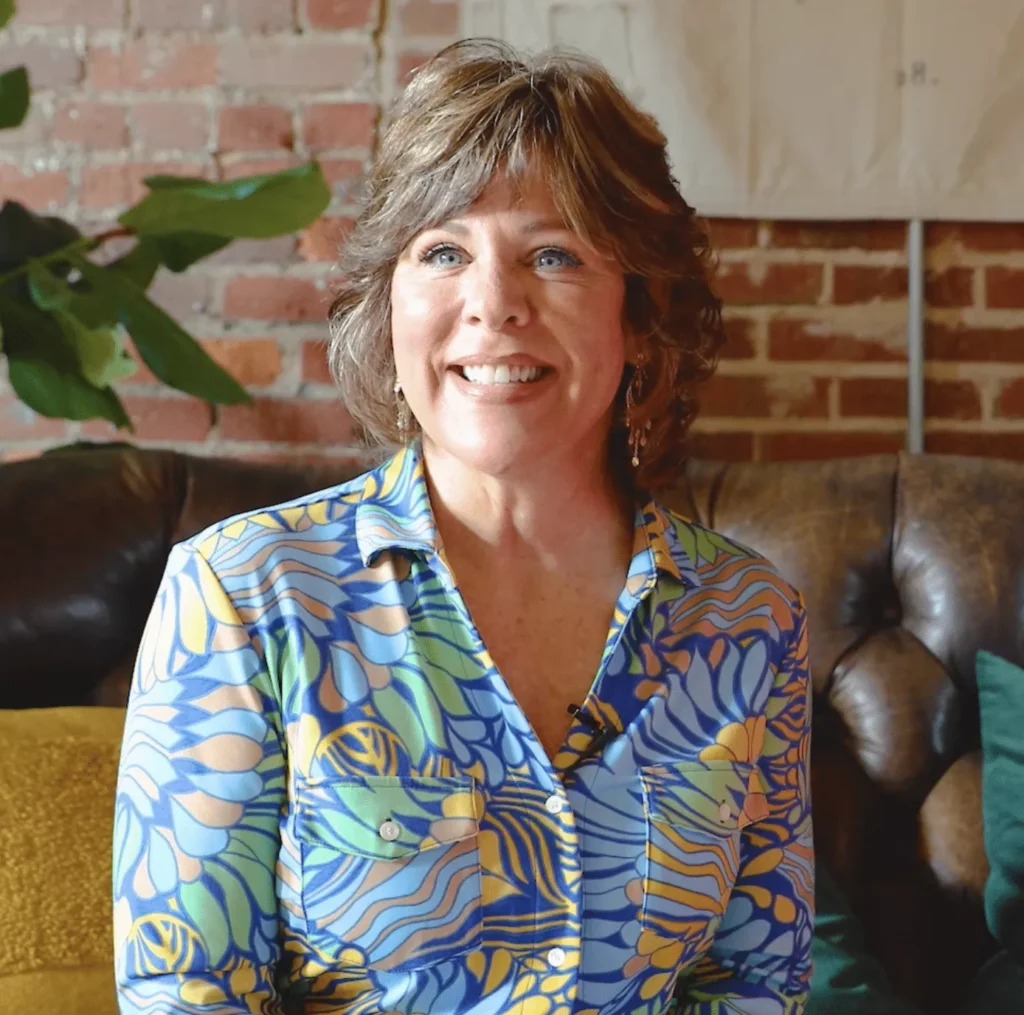
About Jane Gentry
Jane Gentry is a strategic operating model advisor and former CEO of two PE-backed companies who helps mid-market CEOs redesign their companies when revenue grows faster than the business was built to run.
Rate, Review & Follow
Enjoying CEOs Unscripted? We’d love to hear your thoughts! Leaving a quick rating and review not only supports the show but also helps other leaders discover conversations that can elevate their business journey.
Don’t forget to follow the podcast, too! With more insightful episodes and unfiltered conversations on the way, you won’t want to miss what’s next.
CEOs Unscripted
Where Real Talk Drives Real Growth And Delivers Real Results For Mid-market Leaders.
Welcome to CEOs Unscripted, the podcast where real talk drives real growth and delivers real results for mid-market leaders. Each episode offers an unfiltered, behind-the-scenes look at the wins, the losses, and the playbooks shared by CEOs, founders, and executives. Grab a seat and join us for unscripted, honest conversations about what it takes to lead, grow, and scale in today’s business landscape.