A conversation with Pat Alacqua, of Blue Magnet Partners.
What happens when a blue-collar kid from South Jersey transforms into a business-scaling expert? In this episode of CEOs Unscripted, host Jane Gentry sits down with her longtime mentor and business partner Pat Alacqua to uncover the raw truth about entrepreneurial growth, leadership transformation, and the psychological barriers that keep founders stuck.
Pat shares his remarkable journey from working at his grandfather’s grocery store to co-founding and scaling a trade show services company (The Nth Degree) into an international operation before successfully exiting in 2001. But this isn’t just a success story—it’s a masterclass in the messy, challenging reality of business growth.
You’ll learn:
– The critical psychological shift from “doer” to leader and why most entrepreneurs struggle with it
– How to manage your business by assumptions instead of budgets or checklists
– The five distinct phases every company must navigate from startup to enterprise
– Why spawning competitor companies from your best employees isn’t always bad
– The importance of having “one foot in the present and one foot in the future”
– Practical strategies for identifying and addressing blind spots in your leadership.
Key Insights:
✓ The three psychological barriers preventing delegation: identity, control, and validation
✓ Why “what got you here won’t get you there” applies to every growth stage
✓ How to earn the right to keep things simple by first understanding complexity
✓ The power of assumption-based planning in uncertain markets
✓ Why asking the right questions matters more than having all the answers
If you’re a mid-market CEO or operator, this is a playbook for durable growth—no fluff, just what works.
Whether you’re a mid-market CEO navigating growth challenges, an entrepreneur struggling to scale, or a business leader looking to avoid common pitfalls, this conversation delivers actionable frameworks you can implement immediately.
Books mentioned:
Obstacles to Opportunity: Transforming Business Challenges into Triumphs
Episode Guest
About the Guest: Pat Alacqua is a business growth strategist with over 40 years of experience building, scaling, and exiting companies. After co-founding and growing a trade show services company from startup to international operation, Pat now partners with CEOs to help them navigate the complex transitions from entrepreneur to enterprise leader.
About the Host: Jane Gentry brings 20+ years of enterprise consulting experience and firsthand CEO leadership to CEOs Unscripted, creating a space where mid-market leaders share unfiltered stories, practical playbooks, and hard-won wisdom.
Read the full transcript
Transcript of the episode, lightly cleaned up.
Pat Alacqua: Was around small business from the time I can remember, okay? If you go get the right people, you should never be afraid of losing them because they have to move on. Making that transition from doer to getting it done through others, let’s say doer to leader, where you get your self-worth, or how do I say your identity from what you’re doing? And I got my identity from what I did. So we had to make adjustments with the unions. Learn to have one foot in the present and one foot in the future. Companies have to balance or make that transition to managing their business by assumptions. Do what you say you’re gonna do when you say you’re gonna do it. Me and I talk about what I’m gonna say now a lot, which is what got you here will not get you there, right?
Jane Gentry: Yeah. Welcome to CEOs Unscripted, the podcast where real talk drives real growth and delivers real results for mid-market leaders like you. I’m your host, Jane Gentry, and each week we’re pulling back the curtain on the unfiltered stories of CEOs, founders, and executives who face the highs and lows and everything in between. After 20 years of consulting in enterprise, and then experiencing firsthand the reality of being a CEO in a mid-sized company, I discovered why they say it’s loneliest at the top. For most mid-market CEOs, there’s no handbook. You learn through trial and error or by reaching outside your organization for help. That’s exactly why I created CEOs Unscripted, a bi-weekly podcast by mid-market CEOs for mid-market CEOs. Each episode offers an unfiltered, behind the scenes look at the wins, the losses, and the playbooks shared by CEOs and founders who’ve been where you are. No fluff, no jargon, just unscripted, honest conversations about what it takes to lead, grow, and scale in today’s business landscape. If you’re ready for candid conversations, real world insights, and lessons from leaders who’ve walked the path, you’re in the right place. So grab a seat at the table because it’s time to get real. This is CEO’s Unscripted. Welcome to CEOs Unscripted. This is Jane Gentry and I have a special treat for you today. This is going to seem a little self-serving and it might be, but I wanted to share one of my partners with you, Pat Alakwa. Pat has such an amazing story that truly I thought I would be ripping you off if I didn’t share him with you. I like to keep him to myself and keep all that knowledge tucked under my arm a little bit. Pat and I met 30 years ago, I think. He and his partner were my bosses and were mentors and very important to me early on in my career. So, Pat, I’m glad to have you here.
Pat Alacqua: Great to be here, Jane. I’ve been looking forward to this.
Jane Gentry: I know. Well, we’re going to share with people stuff that we talk about all the time. Keeping this to under an hour is going to be really hard because we go on and on and text and email and phone calls and Zoom. People are just going to kind of be listening into stuff we talk about all the time.
Pat Alacqua: I hear you, yeah. Look it now, be on the podcast and I’ll start forgetting, you know?
Jane Gentry: I don’t think so. So, tell everybody your backstory.
Pat Alacqua: Jane, guess, me go back and, you know, a quick, a quick look at start from the beginning and bring us up to today, I guess, right? You know, I grew up in a little blue collar South Jersey town.
Jane Gentry: We never would have recognized Jersey.
Pat Alacqua: No, you guys, you know? And I was around small business from the time I can remember, okay? My grandfather had a little grocery store. My parents worked there. During summers, my mother ran a tiny motel that my grandfather owned at the Jersey Shore. And, you know, they were small operations and nobody was getting rich, right? It was just, a family making a living back in a small town. And I guess by the sixth or seventh grade, I was spending summers working at a public pool that also rented bikes to tourists. And ultimately, know, sort of got myself into what you might call today an assistant manager job at some point, you know. Up at 5 a.m. Every day, seven days a week, I was working 80 hours and some things don’t change, Jane.
Jane Gentry: Was going to say that might explain your work ethic. Mean, you work circles around me. It kills me. Yeah.
Pat Alacqua: Well, know, Jane, I look back on all this stuff now and you really start reflecting, especially as I’m as I as I’m doing different media things now and whatnot. It’s making me think and I go back and how much I really learned that early age. Right. And I didn’t know what I was modeling or what was being modeled for me. Right. But, you know, back then, I think without a doubt, I got that work ethic from my family. And, you know, and, know, in that situation, You know, as I started working, I started noticing how things work. Right. And I’d walk the boardwalk. And to this day, my wife wants to hit me over the head with a baseball bat because it started back then where I’d walk into a t-shirt shop on the boardwalk. And I think I may have said this to you in the past. And I’d start wondering, OK, how does this shop make money? You know, and what’s it take here to run this place? Right. And I think that’s where my curiosity started in. And it’s something that I’m thankful for today because I think it put me on my journey of lifelong learning because I’m still curious today. Right. And I guess, you know, eventually I skipped college, you know, I talk about wanting to learn, you know, I skipped college and went straight into business and something a lot of people I know I’m I don’t know how much I’ve really talked about this in the past, but I started a small residential concrete company with a cousin of mine. And we were doing driveways and side, you know, like little sidewalks and steps on homes. And we didn’t know what the hell we were doing, you know, and, and I think that’s where I learned the value of someone who sort of walked the path before you. Cause I had an uncle who was in the concrete union or the finishers union. And he, he sort of helped us miss some of the land mines, you know, and I didn’t know what was going on, but that in business, that may have been one of my early mentors, if that makes sense. Aside from watching, you know, my grandfather and my mom and dad. But a few years later, I’ll fast forward at that concrete business. You can take me on a deeper dive anywhere, Jane. But, you know, I co-founded a trade show and services company, which you alluded to in the intro where we work together and we grew that. Into, you know, sort of grew it in the early stages into the early stages of an international business. And, you know, that was sort of my crash course in growth. We had so many experiences in growing that even, you know, I would call it a small, I would call them, I don’t know, a lower mid market kind of company, right? By the time we sold it. But, you know, it was a very complex business, as you know, I mean, the end of the year, we may have had 10,000 WF2 forms that went out because of the kinds of things in managing that business of permanent part-time people and casual labor, et cetera, et cetera. But I learned so much in that situation. And it started out competing against bigger firms that really wanted to put us out of business because we happened to be creating a niche, as you know. And it wasn’t only how to deal with that competitive landscape, but how we had to battle legal, go through legal battles and antitrust suits to keep our access to being able to work in that industry. We had to navigate union labor issues.
Jane Gentry: Yeah, I was going to say how many different union contracts did you have? Yeah.
Pat Alacqua: Were hundreds, you know, different in markets. And unions were, we always wanted to collaborate with the unions, great people, challenging because at that time they didn’t really understand what was the customer needed, right? We were part of our niche was servicing the customers in a personalized way. So we had to make adjustments with the unions. In order to personalize the service. We had negotiations, we went through strikes, all this just trying to grow our business, right? And through that process, I started learning how to work on a business, not just in it, that common phrase that we all use and everyone uses, but there’s a lot to that. It’s a lot easier to say than it is to make that transition, right? And then, You know, I think also, you know, we’ve had to build systems because we went through every stage of a growth of a life cycle of a business, right? And we made a lot of mistakes. We figured it out. Eventually build a leadership team and not get into all the detail right now and sold the company and left it in some great hands of some people that really proud of that are still at that company. Many of them are in leadership positions and others.
Jane Gentry: Was going to say, when did you sell? When was that exit?
Pat Alacqua: Going to make me date myself now, right? We sold in 2001.
Jane Gentry: Okay. And I don’t know why you’re still working, but okay, you’re, I tell people you’re like the worst retired guy I’ve ever met. You suck at it. You’re just terrible. But that business is still a leader in that industry. And I think that is a testament to what you put together for that P firm that bought that, bought that business. There was no smoke and mirrors. There was a very well, but built business there. And I’ve seen some companies sell with a lot of smoke and mirrors, right? And then somebody gets under the covers and gets really disappointed. That business still leads in the industry. And you guys were pioneers for a lot of things. And I’ve told a story on the podcast a few times about how you and your partner Jack seeded a couple some employees, you I mean, you spawn maybe probably half a dozen competitive companies from people who’ve learned from you working for you and decided, I can do that and go out into business and some of them you seeded. And people are always surprised by that.
Pat Alacqua: Yeah, I hear you, Jane. And you know, it’s one of the things I learned, you know, is we lost some of those people, you know, it was challenging at time, but it’s also a very natural part of growth. In those situations, one of things I learned was that, you know, any and we’re other companies in the industry that did what you’re alluding to that we did, right, in our niche. And, and, and a new niche, it’s being carved a lot. To me, it’s, I hate always say to hate to say textbook because there’s an art to everything. Right. But, you know, you’ll often have a company that gets everything started at a new niche, even though we weren’t at the beginning of that niche, but what we, it exploded at the right time when we stepped in right into that, into a void in that market. But you know, it’s, it’s textbook. We’re in that kind of a niche, you know, that, that leading company will always spawn other companies, right? Because you bring great people in and you’re growing so dang fast. You believe in career paths and all those things, but you just can’t, you know, you can’t open it up as fast as people need to grow. And if you go get the right people, you should never be afraid of losing them because they have to move on. You know, you just have to be able to. Be ready when they do and fill in behind them. And we had great people that was, and it’s a testament today to them in where they are in the industry, the ones that are still in positions and leading it. And it goes to show why we were so successful. And one of the key reasons we were so successful
Jane Gentry: Yeah, I’ve always told people and this is one of the things I really value about you and our partnership is you and Jack had really clear, what’s the word I’m looking for? He had very clear identities in the organization and there were places where you crossed over, right? Strategy and all of that. But I always tell people, know, he was the face and you were the engine. Man, if he was the hood ornament, you were the engine of that business. And it’s that process brain that you have. It’s that, I know you say you hate details, but my gosh, you get into the detail. Our brains work so completely differently, which I think is part of what’s great about our partnership. But where did you… Where did you learn that? Mean, where did that come from as you continued to build that business?
Pat Alacqua: You know, great question, Jane. You know… Sure, you know, again, I guess it’s part of growing up the way I did in watching business. Watched the I watched people that were in a business for making a living and not necessarily building it to replace themselves. Right. Yeah. Right. So. Yeah. And I and I didn’t know what I was modeling, but I saw that’s everyday business. We all struggle with those levels. Right. And, you know, And I remember with the company in the trade show business we’re talking about, which we originally named IND Inc. And then ultimately repositioned at the nth degree. There was a time in our early growth where we talk about our partnership. Was three of us that owned the company at time. We’re all on the show floors. We were all doing everything. We’re all in the business. And I remember looking at this thing and I don’t know why I raised my hand, but I said, You know, we’re growing so fast. Somebody’s got to figure out how to how to I don’t know that I use these words, but scale it and process it. And I know I didn’t use those words. I didn’t know what that meant at the time. Right. Right. I think I was 22 years old at the time, something like that. Twenty one. You know, and so in that process, I think whatever reason, my instincts say we’ve got to grow this in a way to replace ourselves. You know, or to make it go beyond us. And in answering your question, I can honestly say that I got a lot of enjoyment. I think every leader manager in the early stages does of getting things done myself, even though, right, we were, I was trying to scale and that’s where I got process oriented. But even though I was in that mindset, I’m still trying to do everything myself. Yeah. And then at some stage, you know, I’ll fast forward. I all of a sudden woke up one day and realized, gosh, dang, I got to learn how to get it through done through other people. So I think in answer to your question, it was those milestones of one, I knew it had to we had to work on other things for whatever scaling meant. And then two, I knew that if I was going to survive, you know, I had to really make Process and system work
Jane Gentry: Yeah, and if your marriage was going to survive, by the way.
Pat Alacqua: Yeah, which I know. I look back on and I tell her every day now, I don’t know how the hell she put up with me.
Jane Gentry: So that’s the thing we see all the time in businesses, isn’t it? That the CEO or the owner becomes really the bottleneck in the business. And I’ve talked to other CEOs. In fact, I interviewed somebody on the podcast yesterday who said he really, his business is, I think he said six or 800 million and he still struggles to get out of the way. And so was there an aha for you where you said, I’m now more of the problem than the solution, or was it just kind of a natural evolution for you?
Pat Alacqua: Really good question. Three or four things are going resonating with me right now, you know, like a pinball machine as you ask that question, Jane. The first thing was I woke up one day and I said, I don’t have any more hours. I looked at the people around me and I was ticked off at them because I’m saying, you know, in so many words, was saying, I’m asking you’re here. Why am I doing it? That’s why I got you here. Yeah. Right. But then I had to put the mirror up and say, I was the dang problem. You know? So, so I think in that, that was the first stage where I, I was about ready to pull. I, I still got some hair. I’ve lost a lot of it, but I had a lot more then I was getting ready to lose all my hair. I’m, know, it was like, let’s call it burnout. Okay. And, and so I was, I was at rock bottom and I couldn’t put any more hours in. So I think that was the first part. Okay. And then I went on that journey of figuring out how to really make that what everyone called that entrepreneurial transition to what I call today, more of a blend of entrepreneurism and professional management, which we could do a whole you and I talking together to do a whole podcast alone on that. But going through that process, I learned something that to me, I still use today with people and that is making that transition from doer to getting it done through others, let’s say doer to leader, okay, it was everyone focuses on the systems, but there’s, there’s, there’s what’s going on inside of this. I like to say there’s three psychological issues or three mindset issues that I don’t know that you ever get over it, but you learn to manage that game a little bit more, right? And it’s, it’s, you know, where you get your self-worth or how do I say your identity from what you’re doing? And I got my identity from what I did and I had to learn to shift that to my identity from what others accomplished. Then number two, the need for control. I am still a control freak.
Jane Gentry: That’s insightful. That’s why we get along so well. We’re both control freaks. Yeah. Yeah.
Pat Alacqua: It gets back to the detail you asked earlier, but you know, in that, I’ll get to that, but so it’s like, how do you manage that? Because our need for control, you know, is a big issue. So, and that prevents us from using the systems, right? And then, you know, I don’t know that I had as much of an issue with this one. We all like, want to be liked. You need that validation. Early years when we all don’t have our confidence, we all need that validation, right? But to me, it was more the first two. And the third one, the way that impacted me was, you’re going to like me, if you’re not going to like me, just have it for the right reason, right? So let’s make sure you’re making that decision for the right reason.
Jane Gentry: Think that first one you mentioned is actually, I mean, they’re all important, but that one really hits me because how many times have we seen an owner, a founder, exit a business and be miserable because they didn’t have a plan for who they are outside of that business. And it’s just heartbreaking to watch that when that happens. So, Yeah.
Pat Alacqua: And I think a lot of entrepreneurs would not have, they always say, it’s time for me to move on. If they can get that and manage that, there’s still so much more that they can give to their company. They don’t have, know, but maybe that’s not where they get their enjoyment. And I think that’s okay to recognize that. Right. Yeah.
Jane Gentry: Yeah. So, I love that. We’re constantly talking to leaders about the fact that as your business grows, if you are not growing with it, if you are not, if you’re leading the same way at 30 million, at 80 million that you led at 30 million, there’s a brick wall headed in your future, right? Or there’s that light coming through the tunnel that’s about to run you over. Right. Because you cannot be the same leader as the company continues to grow. So I think that’s an important point.
Pat Alacqua: Yeah, yeah. And I think, Jane, you know, going down that path and steer me here, because, you know, you got to take the chalk away from me, you know, if I’m in front of board, right? You know, it’s the first place I think that they, we all have to identify is, I always look at three things that I try to say to people, OK? Who are making this transition aside from what I just said about the inner game, right? And that is recognized it, you know in changing yourself and making that change right that there’s How I say this there are stages Life cycle stages that every company and every business every even a product goes through right? I did a startup to growth to maturity and then you continue to grow or you decline and then that’s where turnarounds come in. Well, understand where you are in that life cycle and your company is at a stage and if you have multiple products or services, each one of them could be at that stage. And then if you understand that I always talk about the entrepreneur to enterprise journey. And the way I break it up is into five sections, right? Which is, and they’re in sequence, they don’t necessarily, you go through them and you’re done. At every stage, you could be going through these in different sequences, depending on how well you make the transition, right? But if you’re gonna recognize who you have to be as a leader, I think you gotta identify the cycle. And then these five distinct phases, which to me are, you know, that, that customer needs phase, right? You know, where you’re saying, okay, what’s the customer need? What am I offering? Why am I different? And that constantly changes if you’re listening to your customer, right? And then you got your resource stretch, right? Where it’s like, you know, I got all, you know, how do I make better decisions? How do I prioritize my sit? Cause, and quite frankly, No matter what stage you’re at, how many resources you’ve got, there’s never enough. Jane? Yep. And then the third one is those management systems. Where do I need to put the right systems in? And then I look at culture. Okay. Before, as you get bigger, you got to start being more intentional about culture. Right? Yep. Yep. It just doesn’t happen. And then the fifth one I always look at is how do you anticipate? Okay. Where, you know, where, that’s ingrained in all of them, whereas, and that leads me to the third thing I said I had three things I wanted to comment, but that fifth one leads me into what I mean by anticipate is learn to have one foot in the present and one foot in the future. Right? Because, know, if you, got to solve today’s problems, but at the same time, you got to be ready for what’s coming around the corner. And that’s what makes leadership so tough or not. Yeah. Tough and challenging in a grudge.
Jane Gentry: Fun, and tough, and painful.
Pat Alacqua: It’s extremely painful. If you don’t really get that working on your business and you’re in it, you’ll never be able to have one foot in each of those places. Especially in today’s world, there’s so much uncertainty. Nobody’s got a crystal ball. But you have to be anticipating.
Jane Gentry: Well, that leads to something that we talked to people about, Pat, and I think it would be great for you to comment on this. We’re doing this with people. In fact, I had a call with a client yesterday and they are losing a significant amount of business from their distribution model. They’ve got a strategic account. Channel, they have a distributor channel and they have a very small direct channel, B2B direct, right? Right. The distributor model is a big chunk of their business and is rapidly decreasing. These distributors have figured out to go to Asia or go wherever and private label their own stuff and bypass my client, right? And we’ve been talking about this topic for a year. And they’re still chatting about how they’re going to revamp their sales organization or what the product mix should be. I’m like, y’all, distribution is going to go away as the biggest… Mean, that is the light that’s coming in the tunnel right at your face. Why are we not talking about that? So you’ve got to make the assumption that this will be gone. Now what? Where do we go to replace that business? And that’s that assumption based thinking that you and I are always talking to people about. And that’s what you just alluded to. Didn’t call it that. But that one foot in the present, but one foot in the future. And what is my plan if these things that I assume are going to happen actually happen? And what is my plan if they don’t?
Pat Alacqua: Jeez.
Jane Gentry: Speak to that a little bit. That’s one of my favorite topics.
Pat Alacqua: That’s a mouthful. But at the same time, Jane, you know, there’s a way to process that and systematize it. Not that it takes the instinct out of your decision making, right? But, you know, and I guess the best way for me to say it is in order to get one foot in the present and one foot in the future, what really happens is the way I try to look at it is, and you and I have talked about this and you have some of the same thoughts, and that is companies have to balance or make that transition to managing their business by assumptions, what you’re saying, right?
Jane Gentry: Yes, as opposed to what we see a lot, is managing to budgets or checklists, right? Not assumptions.
Pat Alacqua: Exactly. Evolution is, think about it, back at our enterprise journey, We start out, hey, it’s hustle in the beginning, right? You’re managing by activities, then you’re managing by budgets, then you’re managing by objectives. But the really good companies start managing by assumptions. But that gets back to what you were alluding to earlier and we talked about to make that change, the leadership, the leader, the team leaders, have to make that transformation to think differently, plan differently, and execute differently. Make that transition. Okay? And then when you get into, like you’re talking about that company you’re working with, the assumptions, there’s a system for that. It’s a way to look at it on a regular basis, not…
Jane Gentry: Differently
Pat Alacqua: A once a year planning session. Yes. Operationalize how you manage the assumptions of your business. Not that we have a crystal ball, right? Because somebody was asking me the other day in a media interview, how do you anticipate in today’s world? Well, I say, first of all, don’t look 10 years out anymore. Don’t look five years out anymore. On mine, create a vision for maybe three years.
Jane Gentry: Right? Maybe.
Pat Alacqua: Okay, at most. But then the old story is get started, embrace change, and then the pivots will reveal themselves, right? But if you’re starting with the assumptions, you naturally have contingency plans and your head’s not in the sand, but it’s a process of thinking. And if you accept that, there are ways that you can actually build that into your systems and processes for any stage that your business is at. Yes.
Jane Gentry: Yes, and I love that you said not have your head in the sand because you know, I see problems like this that CEOs have that are big problems, right? And Sometimes it’s just too hard to face the problem. So they go solve something else. And so you and I talk a lot about, you solving the root cause or are you putting a bandaid on it? If you’re putting a bandaid on it, the wound is gonna, you know, it’s gonna resurface again. You’ll be seeing us in another couple of years. When you’re planning based on assumptions, you’re actually looking at the root cause and you’re solving those hard problems that you have in business. But if you can’t look at them, you can’t look them in the eye, square in the eye, you can’t solve for them.
Pat Alacqua: Yeah, yeah. Well, you Jane, you and I talk about what I’m going to say now a lot, which is what got you here will not get you there, right?
Jane Gentry: Yeah, we’re stealing from Marshall Goldsmith, you know that, right?
Pat Alacqua: I love I love you.
Jane Gentry: He’s a generous dude. Probably doesn’t. He won’t care.
Pat Alacqua: Yeah. You’re right. It’s, it’s, and again, it’s, it’s back to how are you thinking? Because we are what we think. I’ve stolen that from somebody in the past too. Right. And you, you have to, you have to accept that. And, and the interesting thing, Jane is you and I, we also talk a lot about transformation, leadership, transformation, leadership, development, leadership, training, whatever all the right words are in that process. But. This kind of thinking actually begins to bring your people along, right? Because when you’re, when, cause you’re asking the right questions and you’re doing, because I’m a firm believer and I know you are also, you don’t just learn in a workshop.
Jane Gentry: No. Well, when you start to ask questions like this, you’re modeling the behavior, right? You’re modeling a way of asking questions. And this is the advice I gave to my five nieces years ago, is to say to them, you know, try to put yourself in the presence of somebody you emulate and just watch. Watch how their brain works. Watch what they ask. Watch how they work, do they have a process, watch who they surround themselves with. By leading this way in your organization, you’re modeling that for people and they will start to emulate that behavior.
Pat Alacqua: Exit I dropped the mic
Jane Gentry: Yeah, it’s funny, you know, a company that we know in that space I worked with for a long time. And at one point somebody said, well, I can see you’re making some kind of difference because when I walk around the building, I just, hear echoes of Jane everywhere. And at first I thought, that’s terrible. But it is if there’s no intellectual process behind what people are saying, right? If they’re just parroting something, then that is bad. But if they’re understanding how to go through the intellectual process to get to what it is that they’re saying or get where they’re going, then that’s a great thing. And that’s a win for me or for a leader.
Pat Alacqua: Right on. Well, like anything else too, Jane, as you know, you know, we always talk about communicating vision, but it’s not just vision. Back to what you’re saying, it’s like, you just got to, it’s over and over and over. You got to decide on what are the few things that are important and just keep modeling them and communicating them, right? Because it’s just so important. That comes into how you intentionally impact the culture as you grow. It comes into actually you have so much control over the transformation of your people and how they.
Jane Gentry: And we hear so much CEOs say, but I don’t have time, not just CEOs, leaders in general. I don’t have time to do that. But you’re already doing it. You’re just not doing it intentionally. Right? You’re already modeling for people. If you just had more intention behind it or more of a plan, you would start to see a difference in how people get developed in your organization.
Pat Alacqua: Right. Right. And you have, do, have, you have such why as the EL, as you know, Jane, the whole story, you become coaches, you become guides. But to me, it goes back to look in the mirror and how do you see yourself? Right. As we were alluding to earlier.
Jane Gentry: Yeah. Well, where do you get your identity is what you said. And I think that’s true. Yeah. You know, it’s one of those reasons that high performing salespeople oftentimes make terrible managers. It’s an absolutely different skill set. If you get jazzed by closing a deal or getting a commission check, then you’re not going to win in a job where your biggest role is coaching people, holding people accountable, motivating people. Different job altogether, right? And so CEOs have to either figure out how to make that transition and still feel like they’re winning or bring somebody, a partner, a fractional person, somebody in the organization Who will do that?
Pat Alacqua: You know, Jane, you and I do these kinds of things on an everyday basis. You’d maybe do more than I do right now, but I don’t want this to come out self-serving. But what you said, I believe still is so important because we all have blind spots. It’s like I go to my wife all the time and I say, Lee, what am I missing here? You know me because I’m so close to what I can’t see it. And we have our biases and you know what? Let’s relate it to the business right now. You might be, someone, a leader might be looking in that mirror and say, I got this, I know what my role is. And I say this in all due respect. You don’t, you can’t, you don’t see where all the blind spots are. I don’t care how experienced, and maybe I’m missing a few screws up top here, but I can look in the mirror today and I’ve got a lot of experience and I’m not, and I’m, Gosh, I’m learning so much still. Right. Right. One of the reasons I enjoy working with you and others because I want to talk to people that are different experiences than I do. Being smart, I don’t want to be the smartest one at the table, right? But my definition of smart is not IQ. It’s what experiences do you have? Because I got blind spots. And even if they’re not a blind spot, I don’t know what I don’t know. Man, can, I’m learning every day and that’s why I still do what I do. When you were joking with me earlier, I flunked retirement, you know?
Jane Gentry: You’re terrible. You’re the worst. Try. I’m to be much better at it than you are. So Pat, when you. When you started developing these processes in the organization and. I think you’re kind of a savant with this, but. How do you how do you make them? Not overly complex. You know, we want to be running a business, not a government. And sometimes I think we overcomplicate things and it mucks up the business more than it streamlines the business.
Pat Alacqua: Jane, there’s two things resonate with me. Let me see how I can say these succinctly and if I shut me up if I get too long-winded or make me dive deeper if I don’t get deep enough. One, and I’m gonna write them down, one is. One is, and I just wrote about this recently, we all have heard of the kiss method, right? Yeah. Okay. Keep it simple, stupid, right? Yeah. And I don’t believe that’s the most important thing. I think you gotta earn keeping it simple, okay? And then, and this is the first thing, in a minute I’ll get to the second, Jane, of how you do what you just suggested. One, I think you accept the fact that you gotta get enough into the complex in order to make it simple. You know, now, you know, and that’s just my viewpoint. Okay. And being a process guy, I might have that bias, but, but I don’t, I think sometimes if we don’t make it a little complex, our job as leaders is to understand it well enough so that we can make it simple for others. Okay.
Jane Gentry: It doesn’t mean the problem is simple or the solution is simple. But I find that the smartest people and I’ll just give props to Marshall Goldsmith for this top executive coach in the world, my opinion, right? Take it for what it’s worth. What I find amazing about somebody like him and I think you have the same giftedness is he takes things that are complex. And he’s able to articulate them in a way that seems, seems so simple that you think to yourself, you have that V8 moment. Why the heck did I didn’t? How come I didn’t think of that? Right? That is what really smart people are able to do. You know, the rest of the world takes things that are simple and tries to make them complicated in an attempt to seem, to seem smarter, right? But as a CEO, you have to dive into the, this distribution problem I just told you about, that’s a complex problem. If we’re gonna distribute our own products direct, what’s our distribution network gonna look like? We can’t take one pallet of this to Spokane and five pallets of this to Poughkeepsie. But I keep saying to them somebody has already solved this I tell you three companies right now that have already solved it You don’t have to reinvent the wheel Right. You just got to go where the wisdom is so when you say earn the right You mean I don’t want to put words in your mouth, but are you saying? You’ve got to dig into the complexity and really understand it to be able to then craft a process that is Not simplistic, but more simple.
Pat Alacqua: Right. And Jane. Is that fair? Yes. I guess we’re saying the same thing. What I would make clear maybe for our audience is, you know, someone might sit back and say, well, it’s not my job to do that process. In my mind, and that could be the best answer, but I don’t think you can properly delegate or get the right solution to build that process or that detail if you don’t Again, there’s a science and an art, you know, you just don’t ignore, you got to get into the muck a little bit, whatever that right level is. I can’t speak to that, right? Without the city, but, everyone in the name of kiss, keeping it simple, stupid, it’s almost like a license not to get into the detail. And, and, and I think you got to get into it enough in light of what knowing how to steer it.
Jane Gentry: Yeah. Okay, so earn the right is the first one. What’s the second one?
Pat Alacqua: The second one, Jane, is, you know, the science and the art, right? Yeah. Yeah. OK. It’s and a lot of times what happens is even if you understand the science and the art, you know, when you’re making this transition, I think sometimes people look at any kind of system as a bureaucracy. OK, so, know, we or they can fight that system, even and say it may be complex, it may be simple, whatever it is, they may not get to the science and the art because any kind of system is bureaucracy. So if we put that aside, because that’s another conversation we could have, right, on the mental side of things, right? The science and the art looks at it like, where are you in your stage of development? Back to the life cycles we talked about, back to the… Phases of the business building process, okay? And what makes sense for what I need now, right? Which is the art. So back to, know, earn the simplicity and then apply the science and the art that fits your situation and your situation starts with you understanding where you are in your growth cycle, okay? And you understand your inner game that says, I probably think anything might could be bureaucracy right now, because I don’t like systems at all if you’re in that entrepreneurial transition. Right.
Jane Gentry: Yeah, absolutely. So before I hit you with these rapid fire questions, is there anything you think would be important for us to talk about that we haven’t talked about? I just want to give you a chance to have a fun. See, people don’t believe sometimes that this is unscripted, but we are. So is there anything you wanted to?
Pat Alacqua: No, Jeanne, it’s, you know, there’s…
Jane Gentry: We want to cover a couple things, so…
Pat Alacqua: Let’s put it that way, you know. I could talk about this all day long, you know, but I think we’ve covered some good stuff and I always think about the audience. How do we leave them with something they can walk away? Hopefully they got a tip and I think we can leave it at that.
Jane Gentry: Great. Okay. So what one thing are you reading or who are you following right now?
Pat Alacqua: You know, James, people always ask me, you know, I walk out of a movie and I forget who was in the movie and I watch it again and I got all these books and I never read them from cover to cover, right? OK. And I think right now, you know, when you look at reading, I honestly can’t. I’ve got about a dozen books on my bed stand and I can’t even think of what they are. There’s one called Traction. Okay. Okay. And I’ve skimmed that and, I, and, and just the whole concept that I’m working on in myself is people sometimes look at, and I don’t know whether it’s in this book yet. Okay. But people look at, at activity like progress.
Jane Gentry: At the US.
Pat Alacqua: But momentum is really when you’re making progress with that activity. So around that word traction, it’s a real topic in my own mind about how to say that differently and better right now.
Jane Gentry: Well, I know EOS a lot better than you, so I’m going to leave you to get the surprise in the book. I’m not going to tell you. Okay. What one thing did you learn early on in your career that impacted your success?
Pat Alacqua: Jane, something very simple, but yet it’s, it’s, not to talk about what we talked about earlier. So complex. No, it’s do what you say you’re going to do when you say you’re going to do it. Okay. And, and if you don’t, if you, if something changes, don’t wait for somebody to come back to you, reset expectations. I think that’s the bedrock of. I mean, let’s face it, business life is a system of relationships, right? And it’s the bedrock of that. You know, not to get on my high horse, but I just think that’s lacking so much today because everyone’s overwhelmed and whatnot. Right. And being in business and writing and having the attention to detail, I think that’s so important. Yeah.
Jane Gentry: Although I don’t think it’s new to business. I remember 100 years ago when I was selling and I’d be ready to go get something that we owed a client and they’d then tell me then that we weren’t going to be able to deliver. Like, well, if you already knew this, why didn’t you tell me that a week ago so I could have mitigated the ire of the client? So I agree. What one thing do you hope young people in business will learn?
Pat Alacqua: You know, Jane, what number of things I could probably talk on what resonates to the top is learn to ask the right questions. Right. You know, I don’t want to make this lengthy because I know these are quick rapid fire, but it was a great story. I used to watch the TV show West Wing. OK, I don’t whether you remember that about and the sitting president was on a plane with the prior presidents. And that they was dealing with some kind of world issue. And at the end of it, after all their conversations, that one of them looked at the other and said, it’s amazing, isn’t it, after eight years in office, that it took us that long to learn how to ask the right questions, right? And today, everyone’s taught the younger, I think we’re all taught at a younger age to have all the answers. When really, as you well know, it’s, Those right questions are just so powerful.
Jane Gentry: Yeah, you don’t get to know the right answers without the right question. I’m trying to think who it is. Mahan Khalsa is a guy that I have a huge respect for. And he used to say, I’m going to mess it up now that I want to tell you. You can’t hear anything important if you don’t ask the right questions. Now I’m buggering it up. So forget it. I’ll find it and we’ll put it in the, in the show notes because I’m just going to make a disaster out of it. Pat, they say the best time to plant a tree is 20 years ago. The second best time is now. What do you do now that you wish you had done 20 years ago?
Pat Alacqua: Great question, I’m a lot better at, I get into overdrive when I’m, you know, when I’m stuck. Okay. I just get into so much thought and overdrive, right? And, you know, I’ve learned to, two things I’ve learned to walk. I’ve learned to walk away from it because by creating that little bit of space,
Jane Gentry: And
Pat Alacqua: Okay, because I’m already in such deep thought. I just walk away from it. It’ll reveal itself then, you know, maybe not the answer, but it’ll get me moving again because it’s about motion. Right. You know, number one. And then, you know, the other thing is I guess let me stop there because I could take that into 14 other steps, but
Jane Gentry: Well, it leads to my last question, which is what do when you get stuck?
Pat Alacqua: When I get stuck, it’s, I try to do a much better job of what I just said, which is create some space, okay. To reveal the next step. But what I also try to do is zoom out instead of zoom in, if you will. Right. And really say, what is it I’m trying to accomplish? And something and I really, someone. Gave me this way to think years ago, which was what do I want to happen? What do I want not to happen? Okay. And if I can get clarity on that, then it leads me to the third thing, which is go find somebody that’s been where I want to go. Okay. You know, but I can, I can access so much more from them when I’ve got a little more clarity of where I’m trying to go in what must and cannot happen. Because then when I go to that person, there’s such insight there, but they know how to give me what I need in the shortest, most efficient, effective point of, know, period of time. Does that make sense?
Jane Gentry: Yeah, I love it. You know, you and I could do 20 podcasts and have a hoo-ha. But I appreciate you doing this with me. And I know we always joke and say we’re legends in our own minds. But I have a huge amount of respect for you and I love working with you. So I’m just grateful that you were willing to do this and share it with everybody because I think you have a great story and great insight.
Pat Alacqua: Thanks, Jane. I really appreciate it. And I want you to know that I’ve really enjoyed us reconnecting and working because I like being with smart people and I’m learning very much from you again, too. So it’s been great.
Jane Gentry: That’s a wrap for this episode of CEOs Unscripted, where real talk feels real growth. I hope today’s conversation gave you fresh insights and inspiration for your own leadership journey. If you loved this episode, be sure to subscribe so you never miss a candid conversation with a trailblazing leader. Until next time, keep leading with intention, growing with grit, and driving for results. I’m Jane Gentry, and this is CEOs Unscripted. See you next time.
Pat Alacqua: You
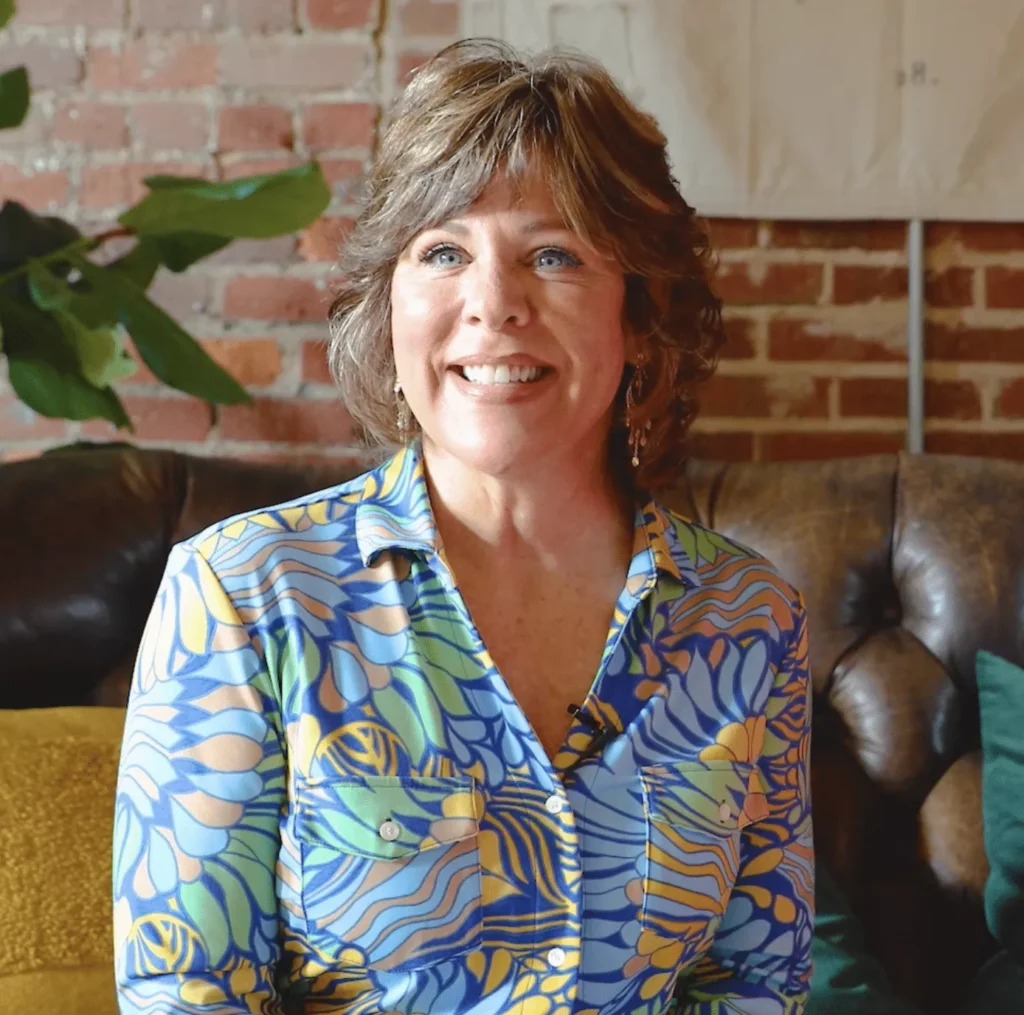
About Jane Gentry
Jane Gentry is a strategic operating model advisor and former CEO of two PE-backed companies who helps mid-market CEOs redesign their companies when revenue grows faster than the business was built to run.
Rate, Review & Follow
Enjoying CEOs Unscripted? We’d love to hear your thoughts! Leaving a quick rating and review not only supports the show but also helps other leaders discover conversations that can elevate their business journey.
Don’t forget to follow the podcast, too! With more insightful episodes and unfiltered conversations on the way, you won’t want to miss what’s next.
CEOs Unscripted
Where Real Talk Drives Real Growth And Delivers Real Results For Mid-market Leaders.
Welcome to CEOs Unscripted, the podcast where real talk drives real growth and delivers real results for mid-market leaders. Each episode offers an unfiltered, behind-the-scenes look at the wins, the losses, and the playbooks shared by CEOs, founders, and executives. Grab a seat and join us for unscripted, honest conversations about what it takes to lead, grow, and scale in today’s business landscape.